
Education is a powerful agent of change, and improves health and livelihoods, contributes to social stability and drives long-term economic growth. Education is also essential to the success of every one of the 17 sustainable development goals.
GPE helps partner countries transform their education systems to ensure that every girl and boy can get the quality education they need to unlock their full potential and contribute to building a better world.
A great education...
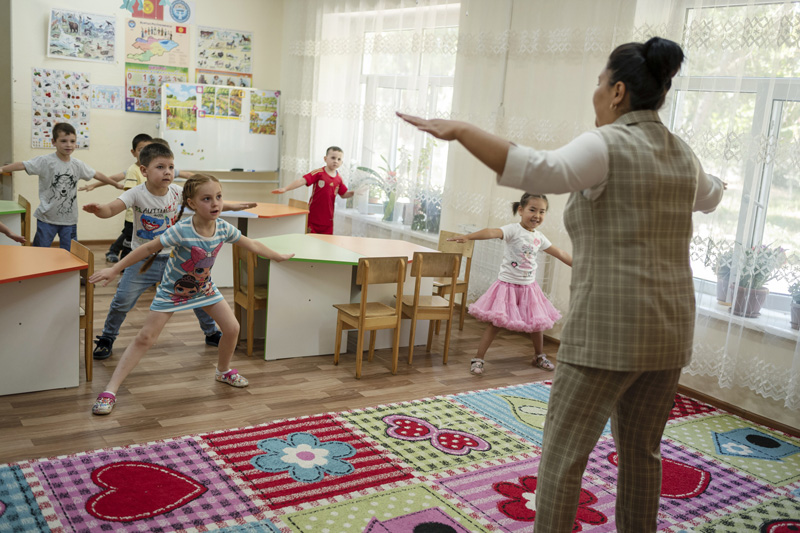
Starts early
Early childhood education prepares children for future learning
41% of children are enrolled in pre-primary education in GPE partner countries
Means great teachers
An effective teacher is the most important factor in a student’s learning
67 million more children have access to quality teachers since 2002
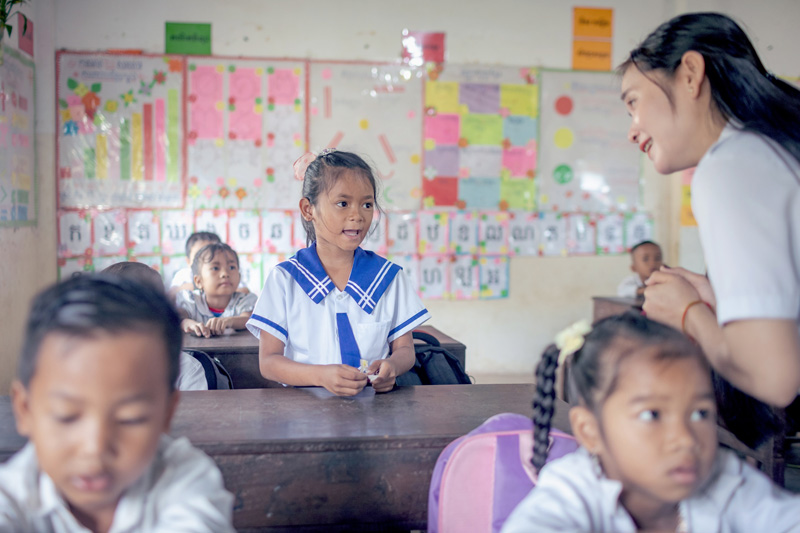
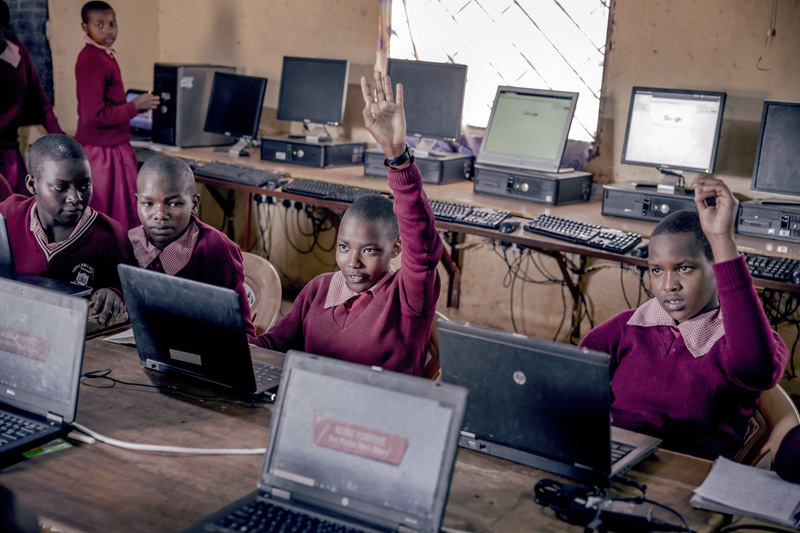
Is equal for girls and boys
Keeping girls in school benefits them and their families, communities and countries
2X the number of girls are on the path of gender equality
Leads to learning
More children than ever are in school, but too many don’t learn enough
70% of partner countries with data improved learning outcomes between 2010-2015 and 2016-2019
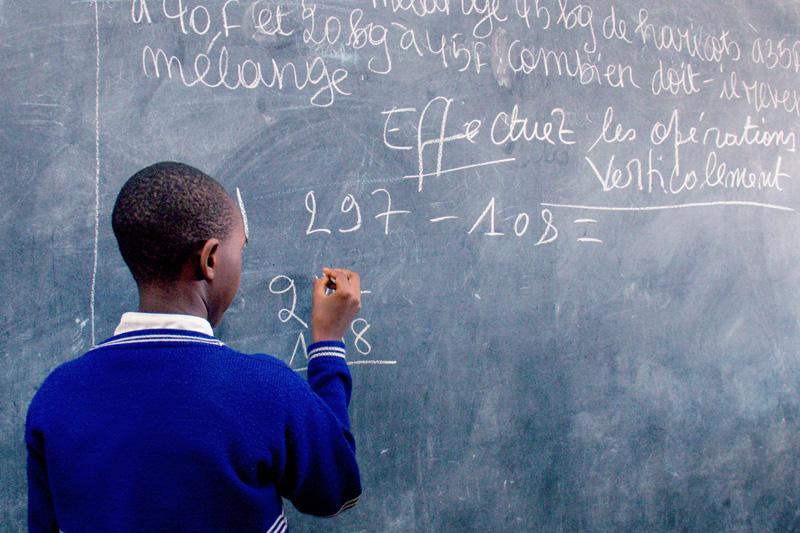
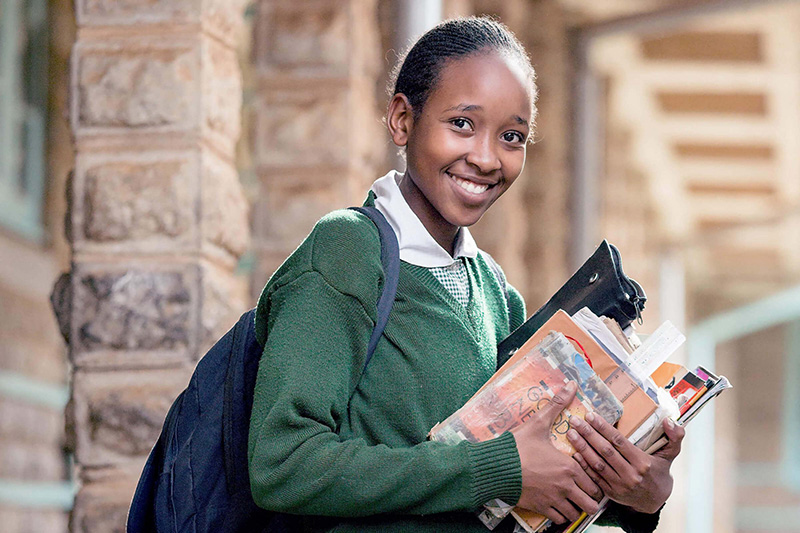
Is based on data
Without accurate data, it is impossible to know how many children are not in school or are not learning
89% of GPE grants supported EMIS and/or learning assessment systems in 2020
Is backed by a strong system
GPE transforms education systems to increase the number of children who are in school and learning
160 million more children are in school in GPE partner countries
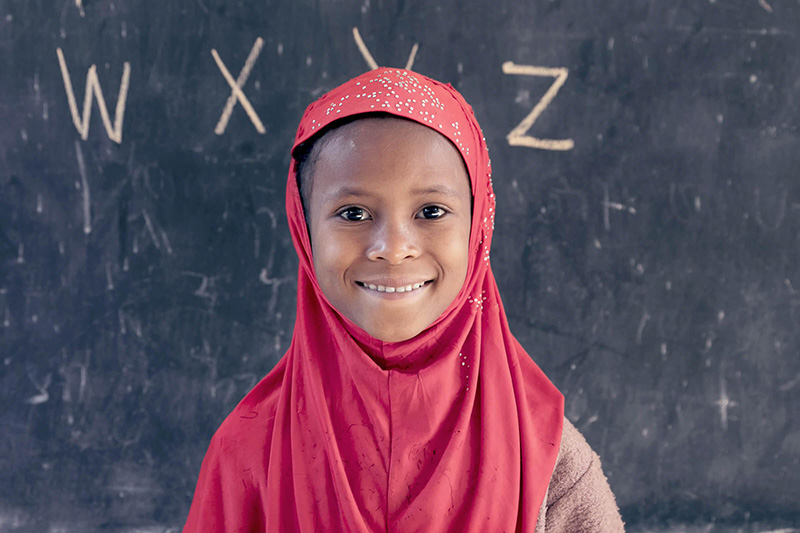
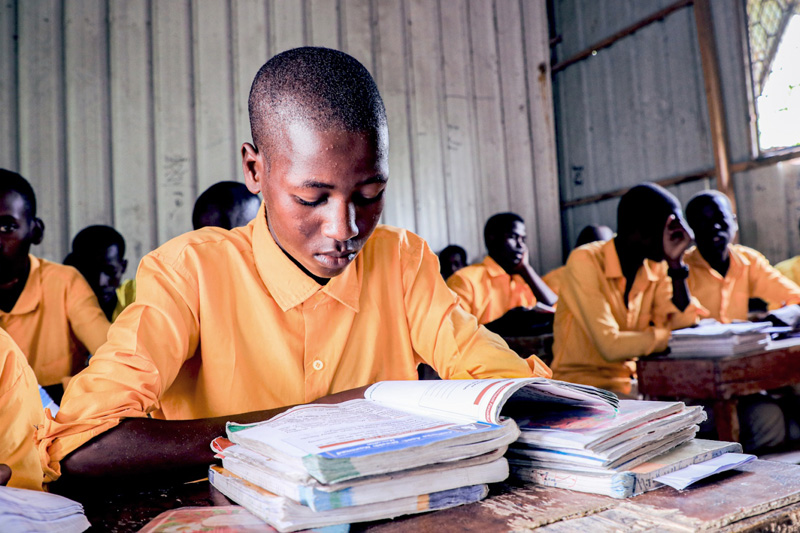
Leaves no one behind
GPE supports countries to build equitable and inclusive education systems where all children can learn in a safe and healthy environment
US$379M in GPE funding supported activities promoting equity, gender equality and inclusion in 2019
... and can change the world!
When access to education and learning grows, the ripple effects on communities and countries are remarkable
- 420 million people would be lifted out of poverty with a secondary education
- A child whose mother can read is 50% more likely to live past the age of 5
- One additional year of school can increase a woman’s earnings by up to 20%