
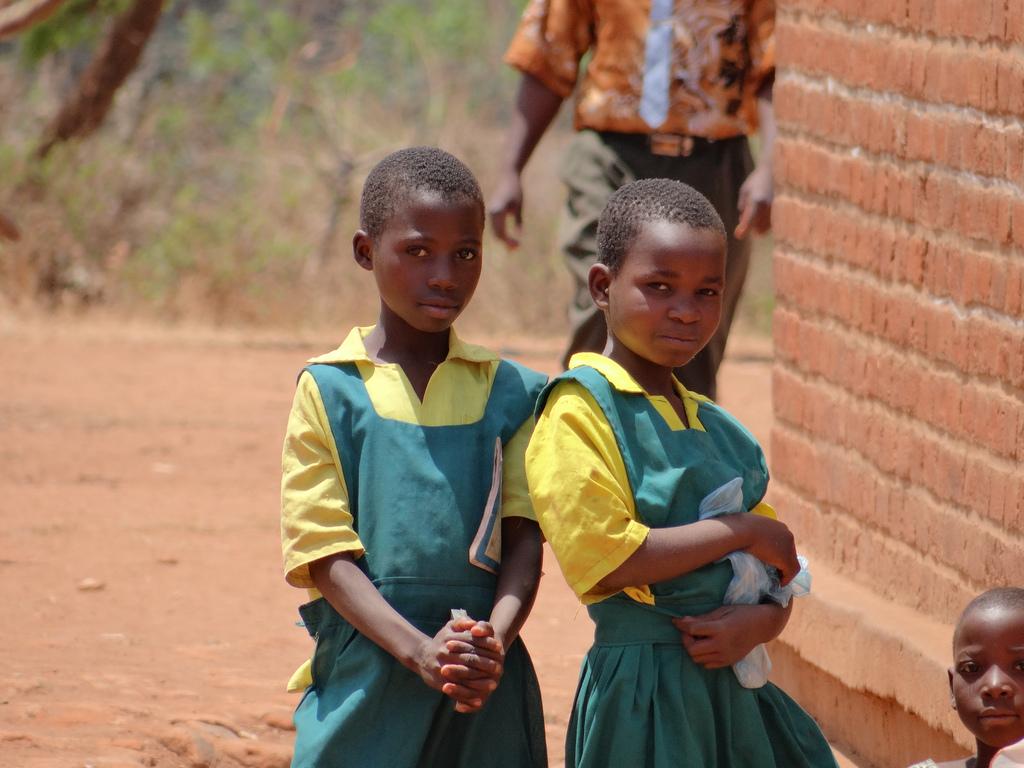
Armed groups are increasingly attacking schools in conflict-hit countries and often murdering or maiming children, according to a truly alarming report this month from the United Nations.
In at least 15 countries in conflict and crisis, including some FTI-endorsed countries, there is no hiding place for school children. Obviously, this is a major concern for EFA FTI, which, more and more, is working in post-conflict and fragile states, striving to keep children in school, keep them safe, and continuing to learn (See my blog entry from last week: A shelter from war: Education’s role in reducing conflict)
That attacks against schools — and hospitals too — are a “growing trend,” as the UN report states, is deeply disturbing “The infrastructure of schools have been physically destroyed by armed actors, and students and education personnel have been attacked, threatened or intimidated. In addition, schools have had to close because they were occupied or threatened by military or paramilitary groups thus depriving many boys and girls of a basic education. In some situations, girls and girls’ schools (my emphasis) have been specifically targeted. The use of schools by armed elements has, in certain circumstances, compromised the civilian nature of schools and put students at risk,” adds the report.
That girls, and girls’ schools, are particular targets for armed groups, in 15 or more states, is a priority problem for EFA FTI, which prioritizes putting more girls into school, reaching gender parity in classrooms, keeping girls in school, and making sure they are safe in school and going to and from class.
What measures should be taken to keep schoolchildren safe?
The UN report urges the Security Council to add to its “list of shame,” armies, rebel militia, and other insurgent groups which target schools. The shame list already numbers those who recruit child soldiers, kill or wound children, or use sexual violence against them. The Special Representative, Radhika Coomaraswamy, commented: “(Schools) should be zones of peace. Those who attack schools should know that they will be held accountable.” She noted that no groups were taken off the shame list of 2010 but four more — two in Iraq, two in Yemen — were added [1]
The UN report needs to be read closely by donors particularly, who need to consider measures to protect schools, and particularly girls, in their development aid policies and to insist on the careful documenting and reporting of violations against children.
I will report more on the devastating consequences of conflict on school children. For the time being, let’s hope that the Security Council quickly moves forward to protect the world’s youngsters.