
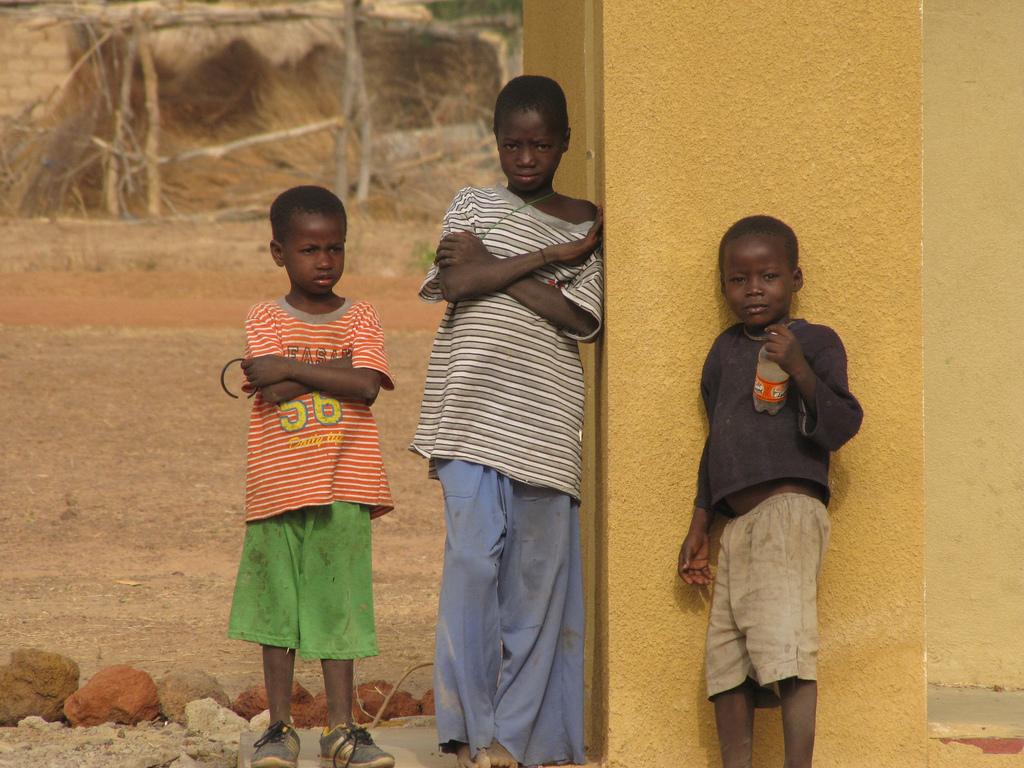
As you read this, as you drink your coffee, peruse through your crowded email inbox, pass through this fleeting moment of cyberspace, a child needs your help. A child just like the kids in your neighbourhood wants an opportunity to learn and grow. Yet through no fault of her own, instead of being born in a secure nation with a stable economy, durable political system, and physical security, this child was instead born into war, chaos, famine, and violent natural events like floods or earthquakes. It has disrupted her opportunities, stunted her progress, faded her hope for the future.
Today, some global leaders have pledged to listen and to act on behalf of this child, and we pray it will have some effect. Leaders from governments, international organizations and civil society today endorsed an Action Plan entitled Education Cannot Wait to help the 25 million children. That’s nearly half of all children not in primary school who live in countries scarred by war and conflict, as well as millions more struck by humanitarian emergencies such as flooding, food shortages, earthquakes and other disasters. These leaders acted because attacks on schools, children and teachers are widespread, affecting 30 countries around the world. They acted because countries were not planning or budgeting effectively for disasters and emergencies, despite their prevalence in some parts of the world. They also acted because education in humanitarian emergencies is woefully underfunded, representing just 2% of total humanitarian aid. Their response:
• Double or more the percentage of humanitarian aid going to education
• Enforce international laws which protect children, teachers and schools from attacks
• Strengthen national plans and budgets for emergencies
It’s a bold gesture, and it requires a sustained commitment, but it is recognition that the children that need us most are in the toughest places to serve them. The event, which was chaired by Norwegian Education Minister Heikki Holmås, was convened in support of the United Nations Secretary General’s Education First initiative which will be launched on Wednesday and which includes measures to ensure the right to an education for all children, including those living in crisis situations. “Children in conflict and humanitarian emergencies can’t wait for education,” said United Nations Special Envoy for Global Education Gordon Brown. “We must work together to make sure that the poorest and most vulnerable children are given the same opportunities our own children possess.” Of course, a valid measure of the commitment to this cause is the resources that governments commit to these children’s future, according to Carol Bellamy, Chair of the Global Partnership for Education Board of Directors. “Education in emergencies is severely under-financed, accounting for less than two percent of humanitarian aid,” she said. “We should at least double this amount, make it more effective, and improve coordination among governments, donors and humanitarian agencies.”
The Education Cannot Wait Call to Action is just a blip in cyberspace, a slight pause between your sips of coffee, without real commitments from the leaders who convened the meeting, and from you. Learn about these children. Join these leaders to take action. And help us empower their future.