
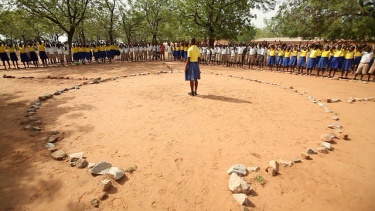
Even though the Commonwealth's states have led the world in addressing the most important human-development challenges, education remains an exception. Today, some 140 million children in the Commonwealth are not in school. According to a recent UNESCO report, the situation is most dire in the poorest Commonwealth countries including Pakistan, Bangladesh, Mozambique, Ghana, Nigeria, and Cameroon.
Most children living in developing Commonwealth countries could benefit from an innovative solution: a new International Finance Facility for Education (IFFEd) could play a key role in improving education opportunities for young people and complement domestic resources, bilateral aid, and multilateral grants that are already available through organizations like the Global Partnership for Education.
Bold action must be taken if the Commonwealth’s educational shortcomings are to be solved. The meeting of Commonwealth leaders this month is a good opportunity to ensure education becomes a top priority so the goals of prosperity and peace can be achieved.