

Last week, UNHCR published its updated figures on global displacement. The numbers present a sad picture – at the end of 2022, 108.4 million people worldwide were forcibly displaced as a result of conflict and fragility – more than a 5% increase from just six months before.
The number of refugees has reached 35.3 million – the largest yearly increase ever recorded.
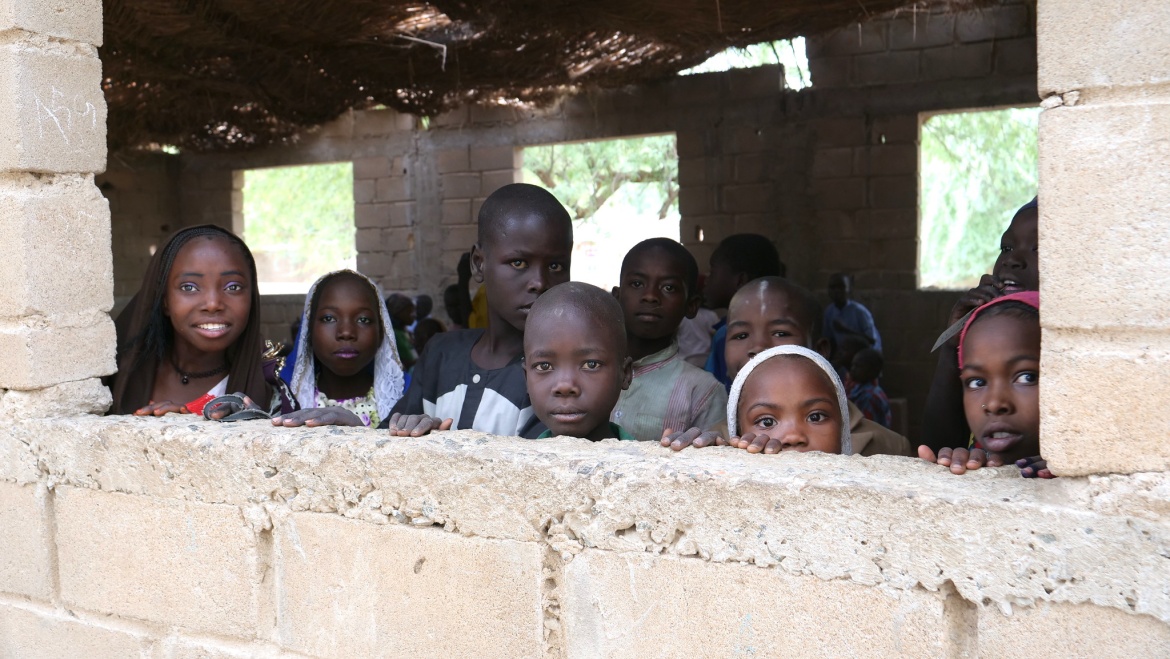
Almost half of all refugee children are out of school and unless action is taken, the current increase in refugees makes it all the more likely that this and future generations of refugee children will be deprived of the education they need to restore their future.
This week Save the Children published a new report, making the case for the international community to step up and mobilize the funds needed to finance the refugee education crisis.
Education systems are on the brink of collapse in refugee-hosting countries
Many refugees live in low-income countries, including Chad, the Democratic Republic of Congo, Ethiopia, Sudan and Uganda. Hosting large refugee populations puts a huge strain on these countries’ already stretched services. The intersecting threats of COVID-19, conflict and climate change threaten to push back education progress further.
Lower-income countries like these urgently need more funding for education. However, their economic growth is expected to remain below pre-pandemic levels. This will impede governments’ ability to allocate domestic financing required to expand access to and the quality of education for both refugee and host community children.
Worsening debt burdens undermine governments’ ability to fund education
Currently, more than half of lower-income countries are either in or at high risk of debt distress – meaning governments are unable to fulfil their financial obligations and require debt relief. These debt burdens have significant impacts on governments’ ability to properly fund their education systems.
Save the Children’s analysis for our report found that 4 out of 14 of the top low- and middle-income refugee hosting countries spent more servicing external debt than they did on education in 2020.
We also found that interest payments on external debt alone by the low- and middle-income countries in the top 20 refugee-hosting countries totaled more than $23 billion in 2020 – this is enough to send every refugee child in low- and middle-income countries to school for nearly five years.
Comments
I teach refugees from Ethiopia