This blog was previously published on UNGEI's blog.
For education to realize its gender-transformative potential, boys and girls must have equal access to, and benefit equally from, education. To achieve this goal, we need education systems that are gender-responsive by design. The Gender-Responsive Education Sector Planning (GRESP) program aims to do just that.
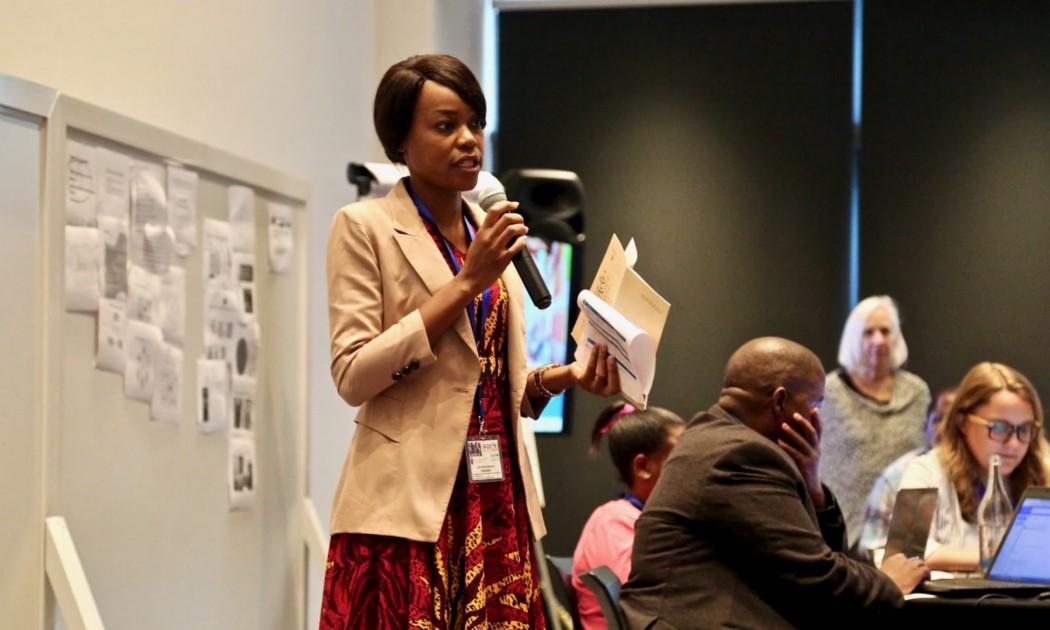
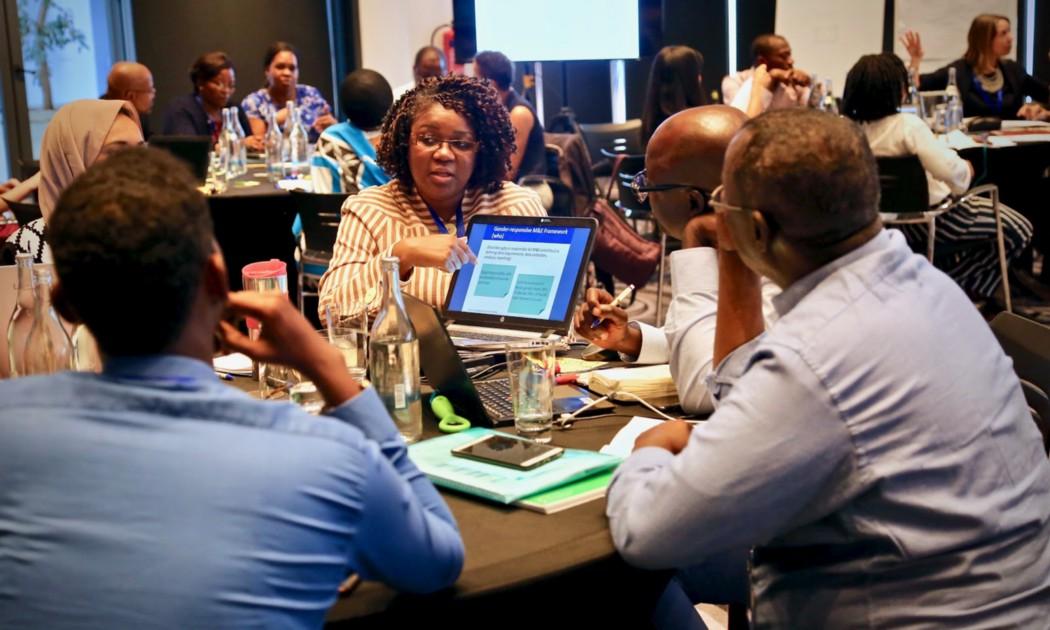
To date, UNGEI and partners including Plan International, FAWE, ANCEFA, UNICEF, UNESCO IIEP and the Global Partnership for Education (GPE), have led national and regional workshops for education stakeholders in 28 countries across Africa and Asia, working with ministry of education delegations, local education groups and civil society organization representatives to advance gender equality in and through education.
As well as embedding gender equality across every aspect of the education system, a forthcoming independent review of the GRESP program highlights how critical it is for ministries of education to collaborate with other ministries, networks and coalitions to truly bring about sustainable and transformative change.
As a delegate from Plan Zimbabwe, one of the GRESP program’s institutional partners, put it, “In order for us to do it [GRESP] properly, we all need to walk together.”
Since a regional GRESP workshop held in Nairobi in 2018, the Zimbabwe delegation has committed to ‘walk the walk’ for gender equality in education. The GRESP workshop both inspired and empowered the Zimbabwe delegation that attended — a mixture of government officials, civil society activists and education practitioners — to take specific actions towards integrating gender into education sector planning processes.