Nourishing futures in Haiti: How school meals are building resilience and transforming lives

Discover how a school meal program is improving students' lives, promoting local agriculture, and strengthening communities in Haiti.

Imagine a meal that doesn't just fill a child's stomach but also boosts local economies, strengthens communities, and keeps students in school even during the toughest times. In Haiti, this is precisely what's happening through an innovative school feeding program.

Amid persistent challenges like political instability and food insecurity, Haiti, with vital support from GPE and other partners, is making remarkable strides.

This initiative isn't just about feeding children; it's about fostering local agriculture and building community resilience by providing school meals made with locally sourced food.

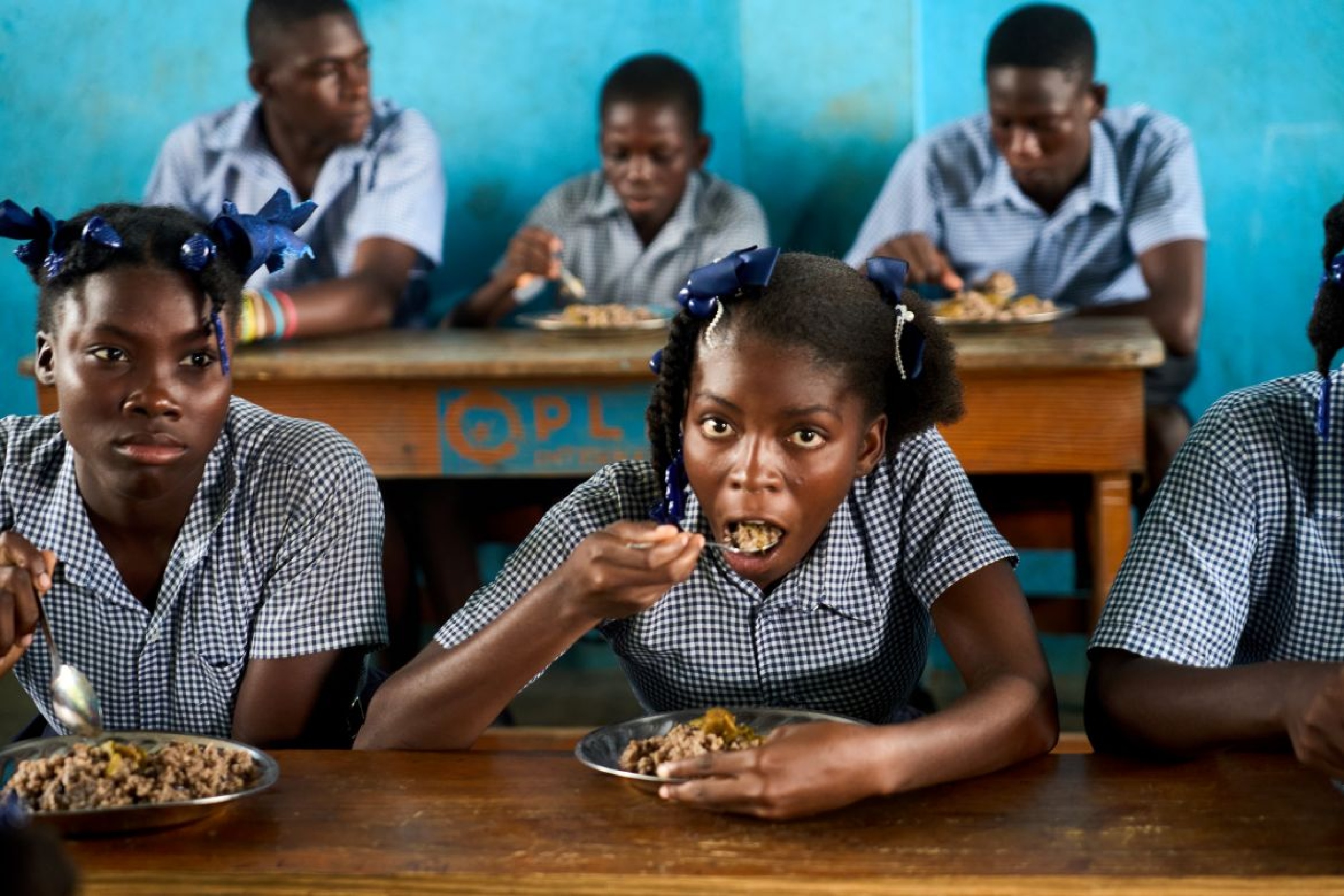
For students like Roseberline Jean, these meals are a daily comfort and a powerful motivator.
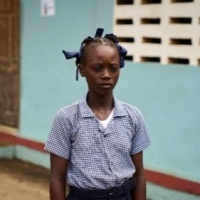
Roseberline Jean

“I live with my mother, who sells coal for a living, and my two sisters. I really like the meals served at school — especially the broth, which is my favorite. Thanks to the cafeteria, I don't go hungry during class. It is well run, and every student gets the same amount of food. I enjoy sharing a good meal with my friends in a pleasant atmosphere.”

Roseberline Jean
Grade 7 student, National Girls’ School, Fort Liberté

Roseberline's experience highlights the profound impact of these meals, which extend far beyond the classroom.

A national priority: Fueling progress and resilience

Haiti is making remarkable progress in expanding school feeding across public schools, as set out in the National School Feeding Policy and Strategic Plan 2024-2030. This national priority is proving to be a powerful lever for social and economic transformation, helping communities withstand the overlapping shocks of political instability, economic crises, and natural disasters.

Haiti aims to achieve results at scale through an intersectoral approach combining education, nutrition, protection and local development.

The program is supported by the U.S. Department of Agriculture McGovern-Dole International Food for Education and Child Nutrition Program (US$33 million), GPE ($19 million), the Inter-American Development Bank ($15 million), and Education Above All ($10 million).

For farmers like Virgin-Hélène Saintil, Haiti’s commitment to locally sourcing food for school meals is improving livelihoods.

Virgin-Hélène Saintil

“I grow and sell rice, peas, okra and bananas. Before the home-grown school feeding program, selling my crops was difficult and expensive, mainly because of transportation and market fees. Today, I deliver my products directly to an aggregation center of the national professional agricultural organization, which reduces my expenses and improves my family's income.”

Virgin-Hélène Saintil
Farmer, Haut Maribahoux, Nord-Est, Haiti

Virgin-Hélène has also benefited from business management training led by the World Food Programme and local NGO Ananda Marga Relief Team (AMURT). She has learned how to budget and track her expenses and profits.

Haiti’s home-grown school feeding model is boosting agricultural production in communities, with a crucial focus on the participation of female farmers.

At the same time, expanding meal coverage has helped increase student attendance and keep children learning, even during crises and disruptions.


Meet more community members who experience daily the positive impact of Haiti’s school feeding policy.

From October 2024 to August 2025, almost 34,000 students received school meals across 118 schools thanks to GPE funding, surpassing the target of 30,000.

From October 2024 to August 2025, almost 34,000 students received school meals across 118 schools thanks to GPE funding, surpassing the target of 30,000.

Over 3.9 million meals were distributed during this period through a US$19 million GPE Multiplier grant and $58 million in cofinancing from the U.S. Department of Agriculture’s McGovern-Dole program, the Inter-American Development Bank and Education Above All.

Over 448,700 take-home rations were delivered in July 2025, ensuring children and families continued to receive support during schools closures.

Over 448,700 take-home rations were delivered in July 2025, ensuring children and families continued to receive support during school closures.

Pierre

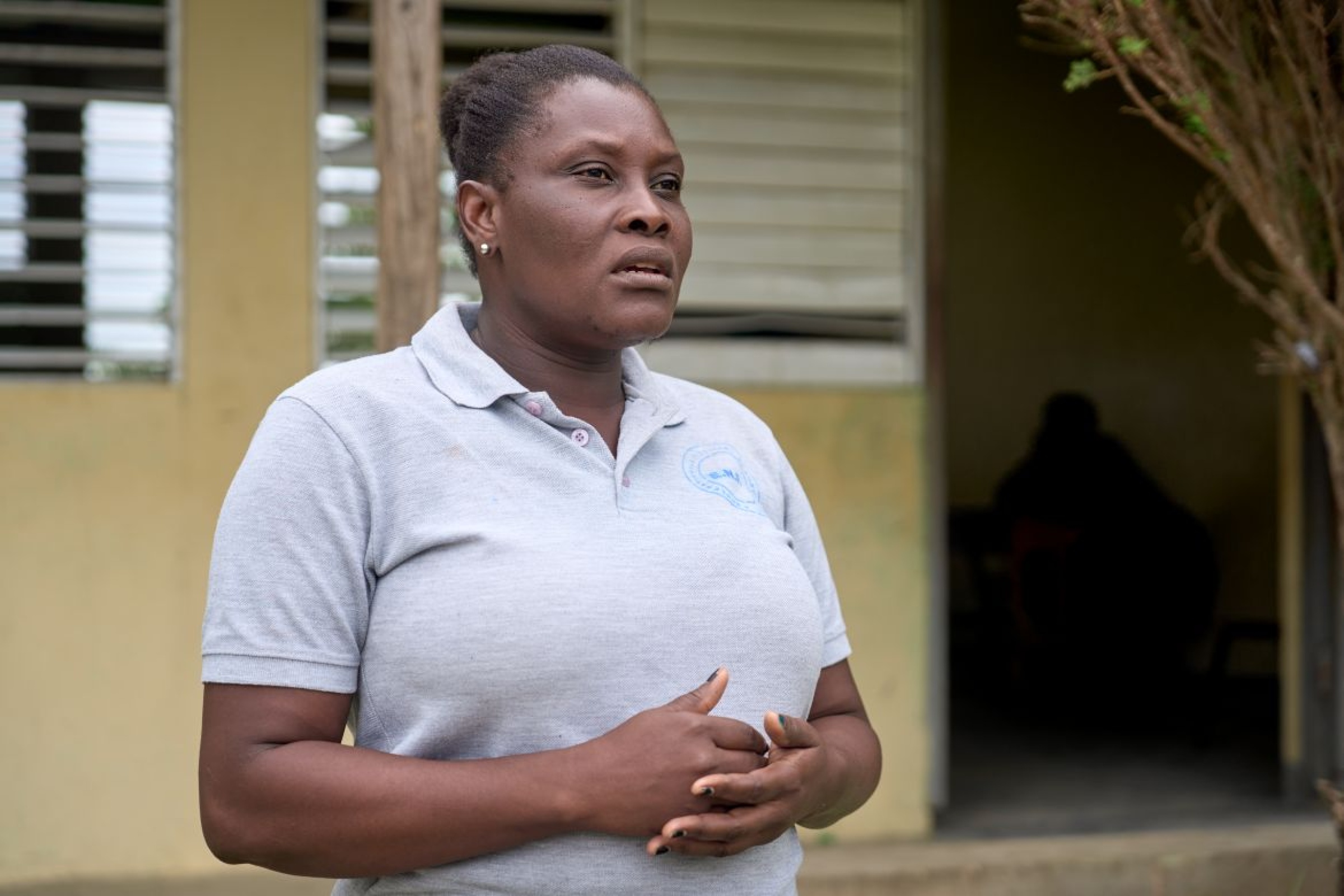
“The cafeteria opened at the start of the school year. In the morning, the first thing students do is check what is being prepared in the kitchen. When they see the stoves lit, they feel reassured.” Manoucheka Pierre, grade 5 teacher, National Girls’ School, Fort Liberté

Dr Gnagna

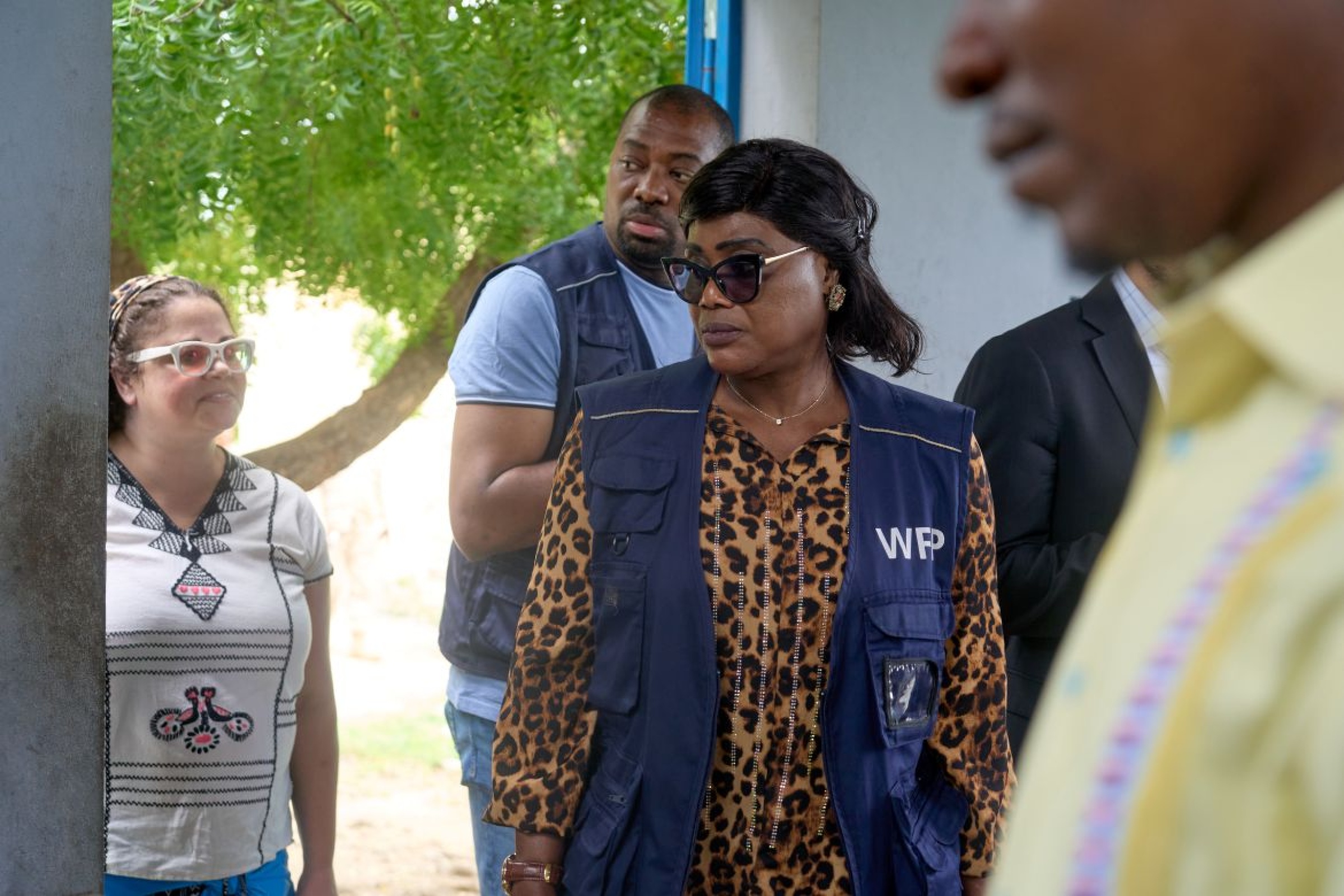
“The school canteen has helped increase student attendance, reduce dropout and improve academic performance. The World Food Programme works with small-scale producers to strengthen their production capacity and diversify their products. Thanks to this support, they now have a stable market in schools, supplying the food needed to prepare school meals. Today, the focus is now on a decentralized local purchasing model to further boost the local economy and build resilience of local communities.” Dr. Gnagna Ndiaye, Head of the World Food Programme Sub-Office

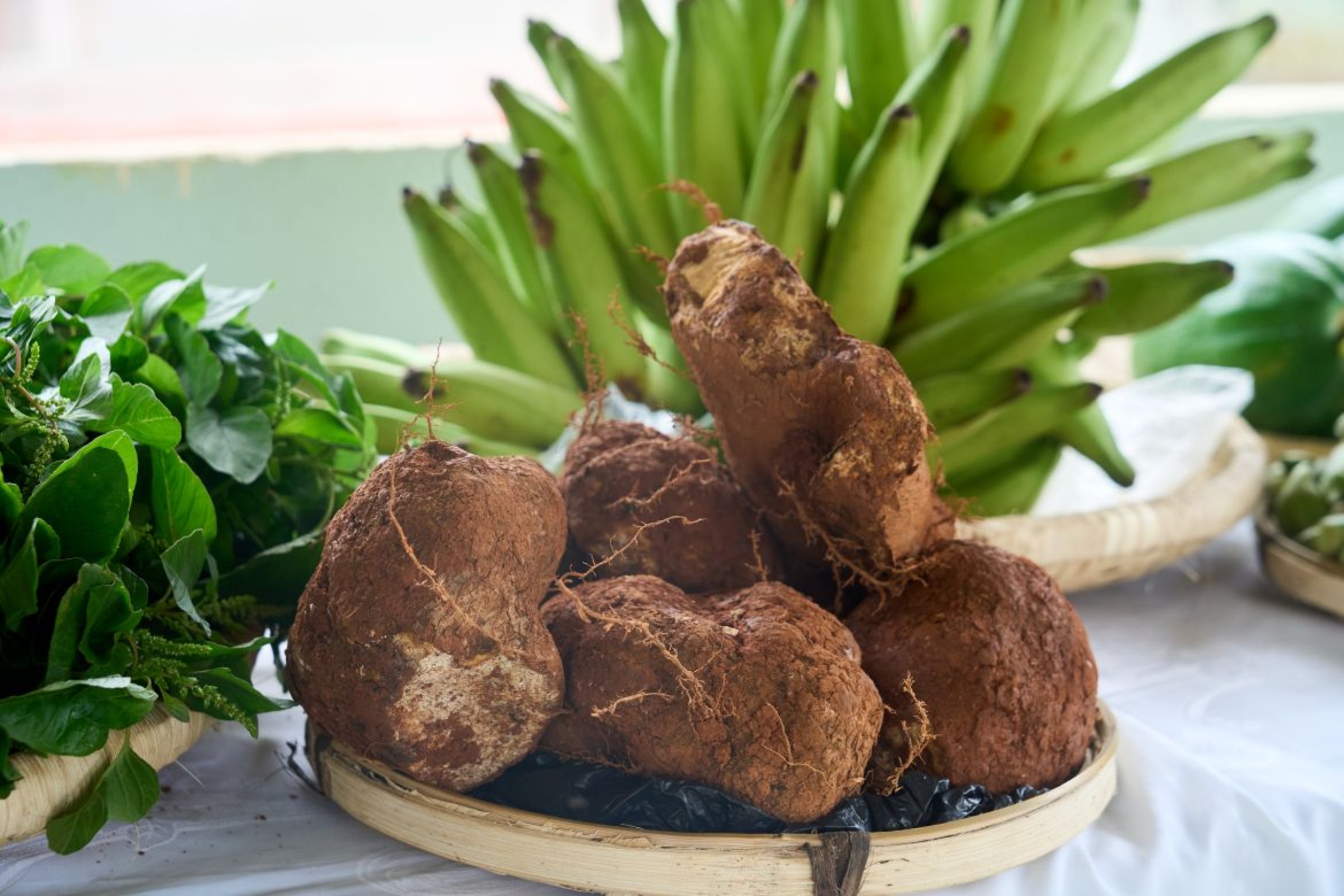
The program sources 70% of the agricultural products used in school canteen meals – such as yams, plantains and spinach – from a network of more than 170 local farmers organized into cooperatives in the Grand Nord province.

The program sources 70% of the agricultural products used in school canteen meals – such as yams, plantains and spinach – from a network of more than 170 local farmers organized into cooperatives in the Grand Nord province.

Farmers who supply food to school canteens in northern Haiti are part of MOPAW, the national professional agricultural organization.

Farmers who supply food to school canteens in northern Haiti are part of MOPAW, the national professional agricultural organization.

The introduction of the home-grown school feeding model in the Nord-Est department sourced food from over 1,500 individual smallholder farmers—62% of them women—which contributed to strengthening local agriculture and economic resilience.

The introduction of the home-grown school feeding model in the Nord-Est department sourced food from over 1,500 individual smallholder farmers—62% of them women—which contributed to strengthening local agriculture and economic resilience.

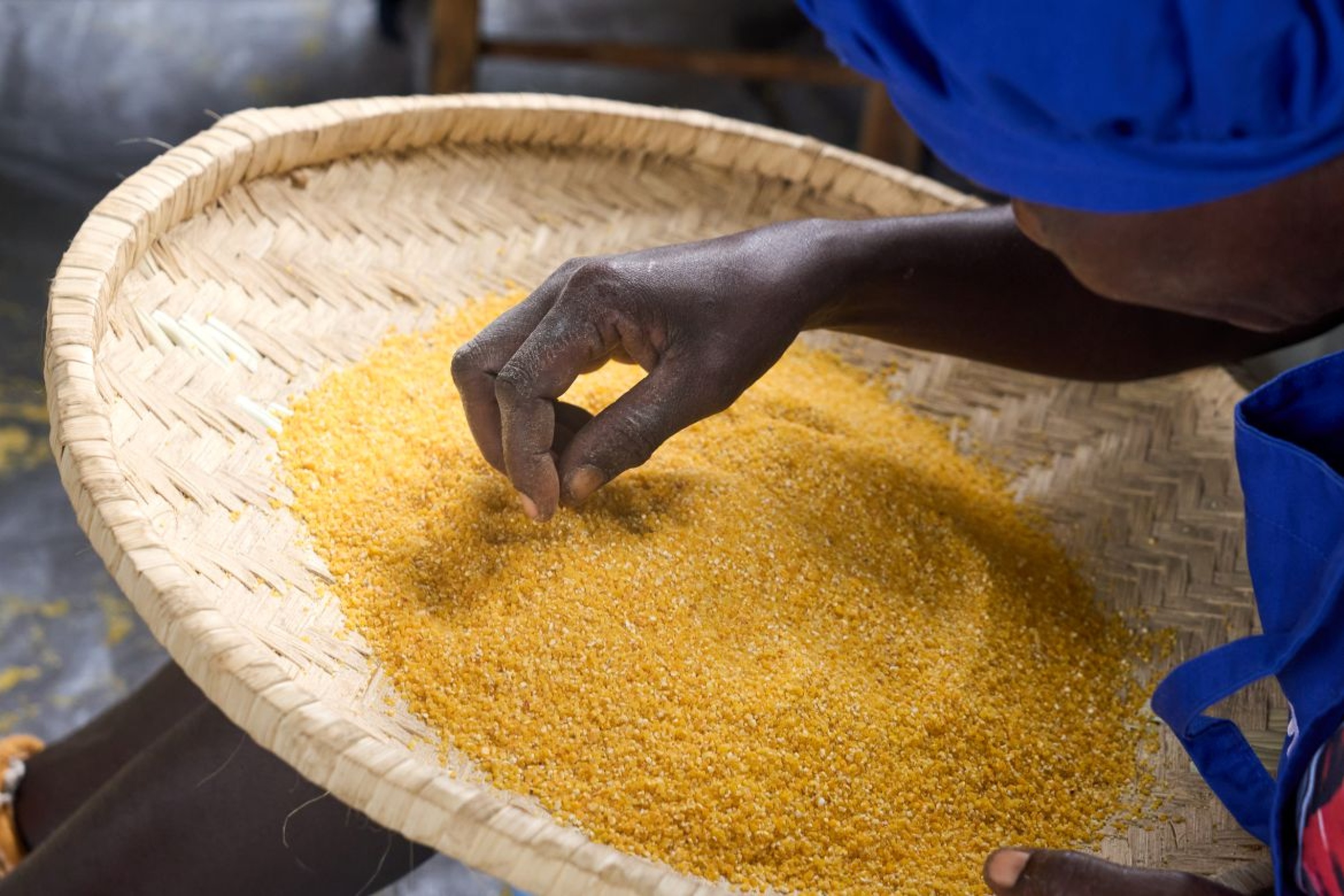
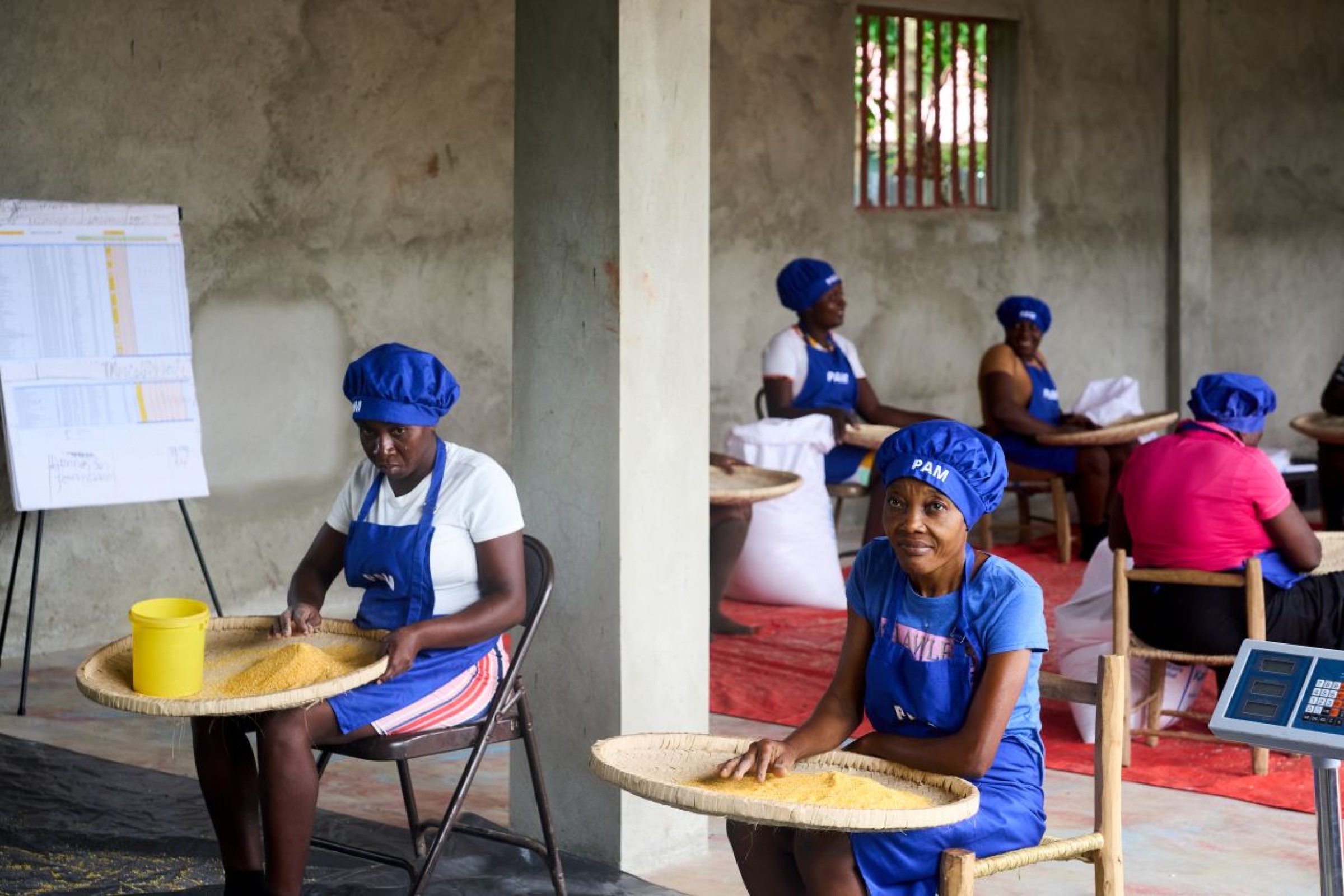
Food produced for school canteen meals is delivered to MOPAW’s premises, where community members sort produce and winnow grain to prepare it for distribution to schools.

Food produced for school canteen meals is delivered to MOPAW’s premises, where community members sort produce and winnow grain to prepare it for distribution to schools.

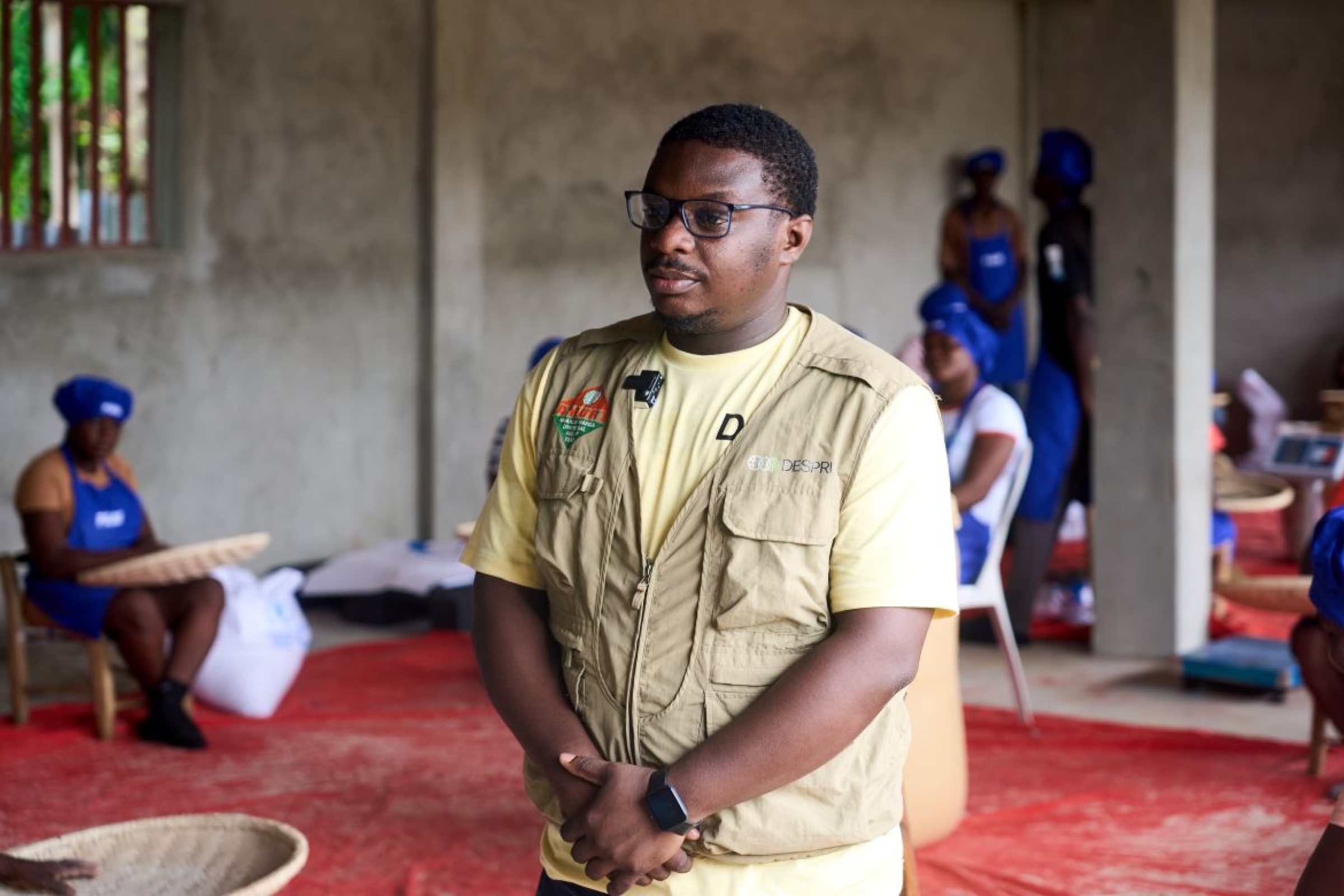
Evens Serafin

“All produce goes through a quality check. We verify moisture content and ripeness, then store it. Next comes the processing stage, carried out by members of the community, who sort the produce. We weigh the produce and bag it to ensure the correct quantities go to schools. AMURT, World Food Programme’s cooperating partner, is then responsible for distributing the bags to schools.” Evens Serafin, National School Canteen Coordinator, NGO AMURT (Ananda Marga Relief Team)

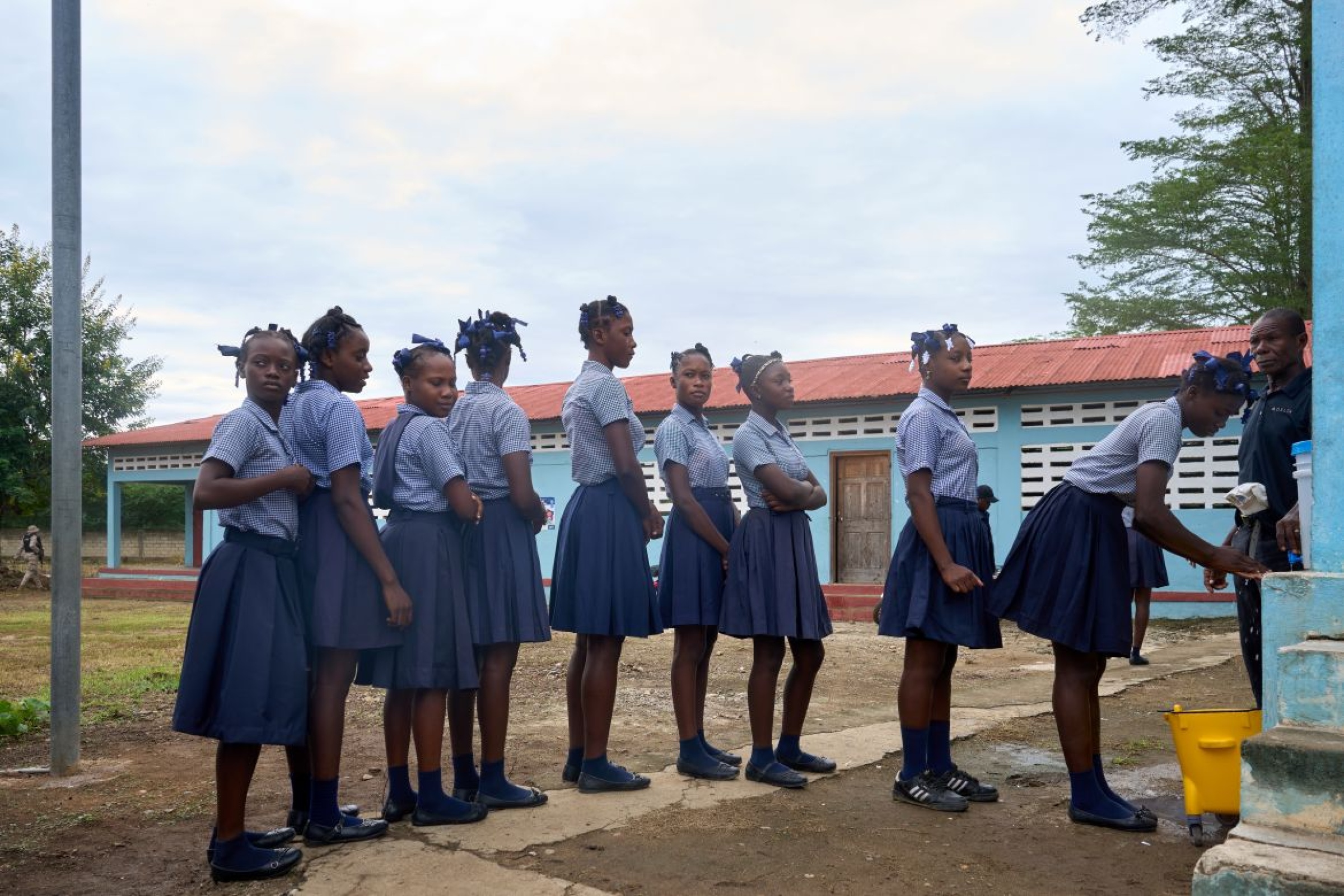
Students at Dumas National School line up to wash their hands before a meal.

Students at Dumas National School line up to wash their hands before a meal.

School feeding providers conduct awareness sessions on hygiene and food safety at the beginning of each academic year, promoting proper handwashing, safe food handling and clean kitchen practices.

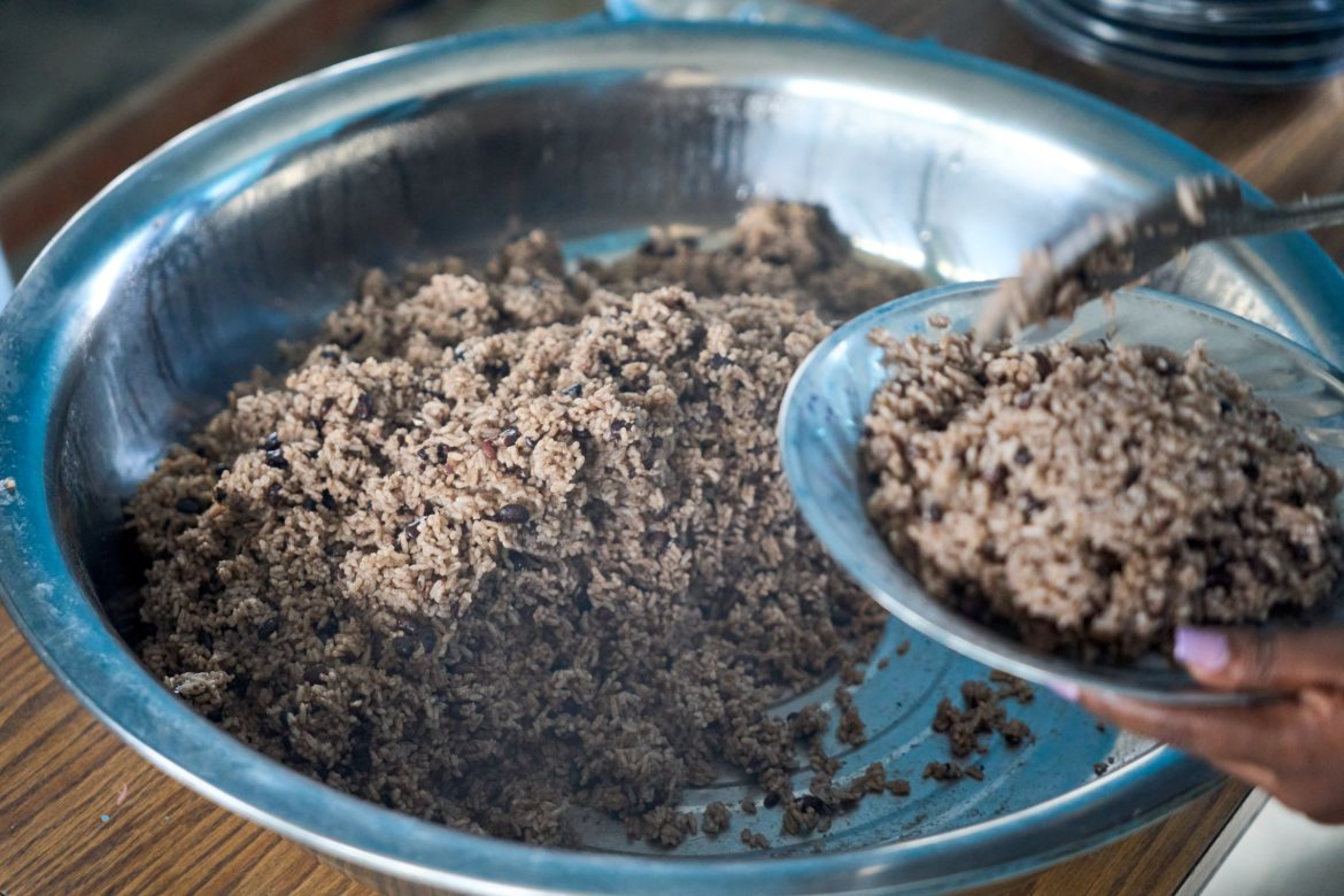
School meals are a lifeline for many students, providing what may be their only meal of the day.

School meals are a lifeline for many students, providing what may be their only meal of the day.

Acute food insecurity in Haiti is at an all-time high, and UNICEF estimates that 1 million Haitian children face extreme food insecurity.

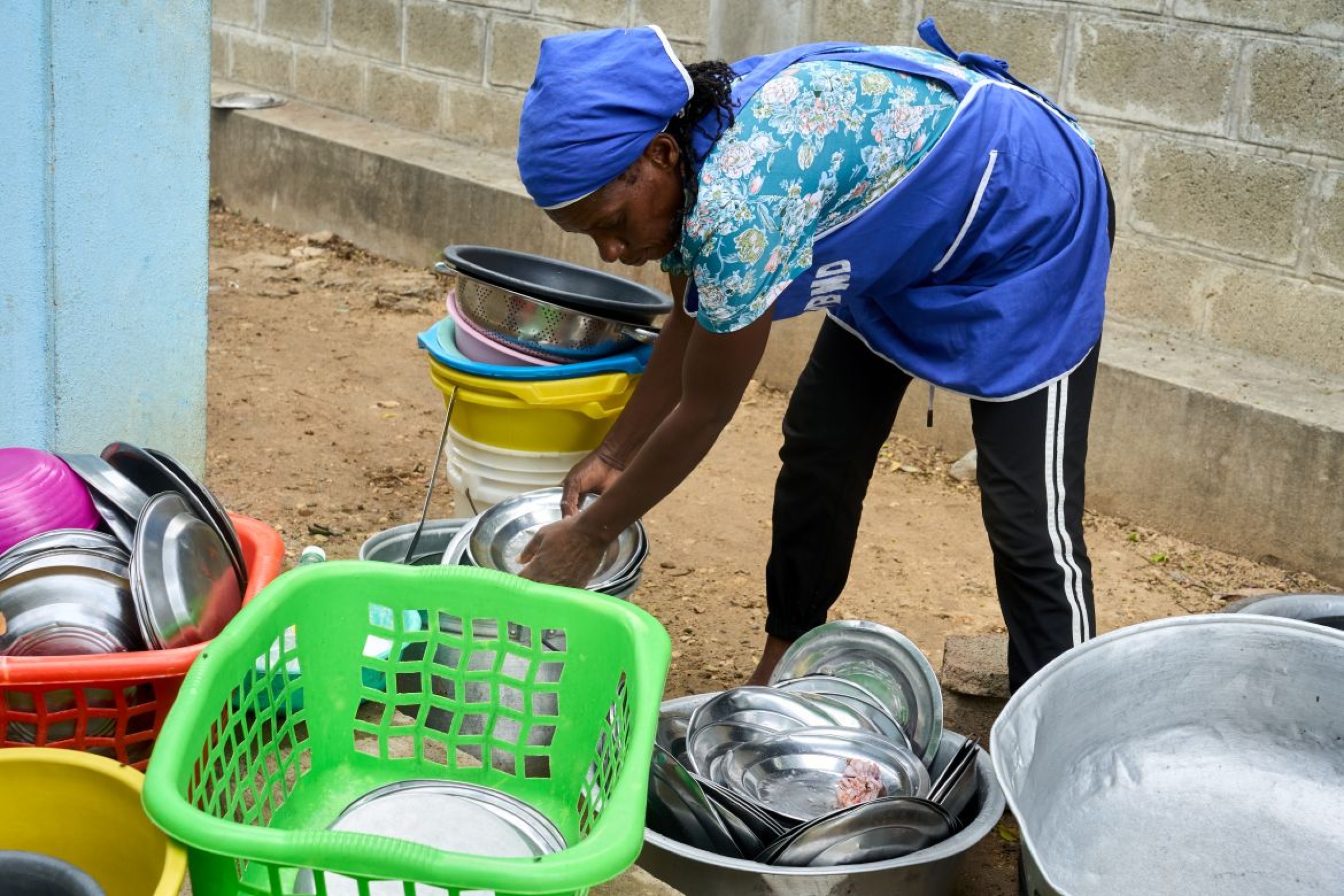
A cook cleans up after lunch at National Girls’ School in Fort Liberté.

A cook cleans up after lunch at National Girls’ School in Fort Liberté.

Cooks receive a daily allowance as compensation for preparing and serving meals to students.

Dr Richemont

“The school feeding program is one of the largest national social protection programs that aims to improve student attendance, food security and nutrition. Through the home-grown school feeding model prioritized by the government of Haiti, local farmers are at the heart of the procurement because they provide the food used to prepare school meals. Care is taken to ensure that meals meet students' daily energy, nutritional needs as well as food quality and safety standards. Locally-produced foods, energy-rich foods are prioritized, including cereal, rice, corn, sorghum, yams, potatoes, lentils and peas. Nutrient-dense food such as vegetables, including carrot, cabbage and eggplant, fortified vegetable oil, and iodized salt are also part of the menu to promote dietary diversification and support cognitive development.” Dr. Richemont Seki, Head of World Food Programme’s School Feeding Section

Nourishing a community

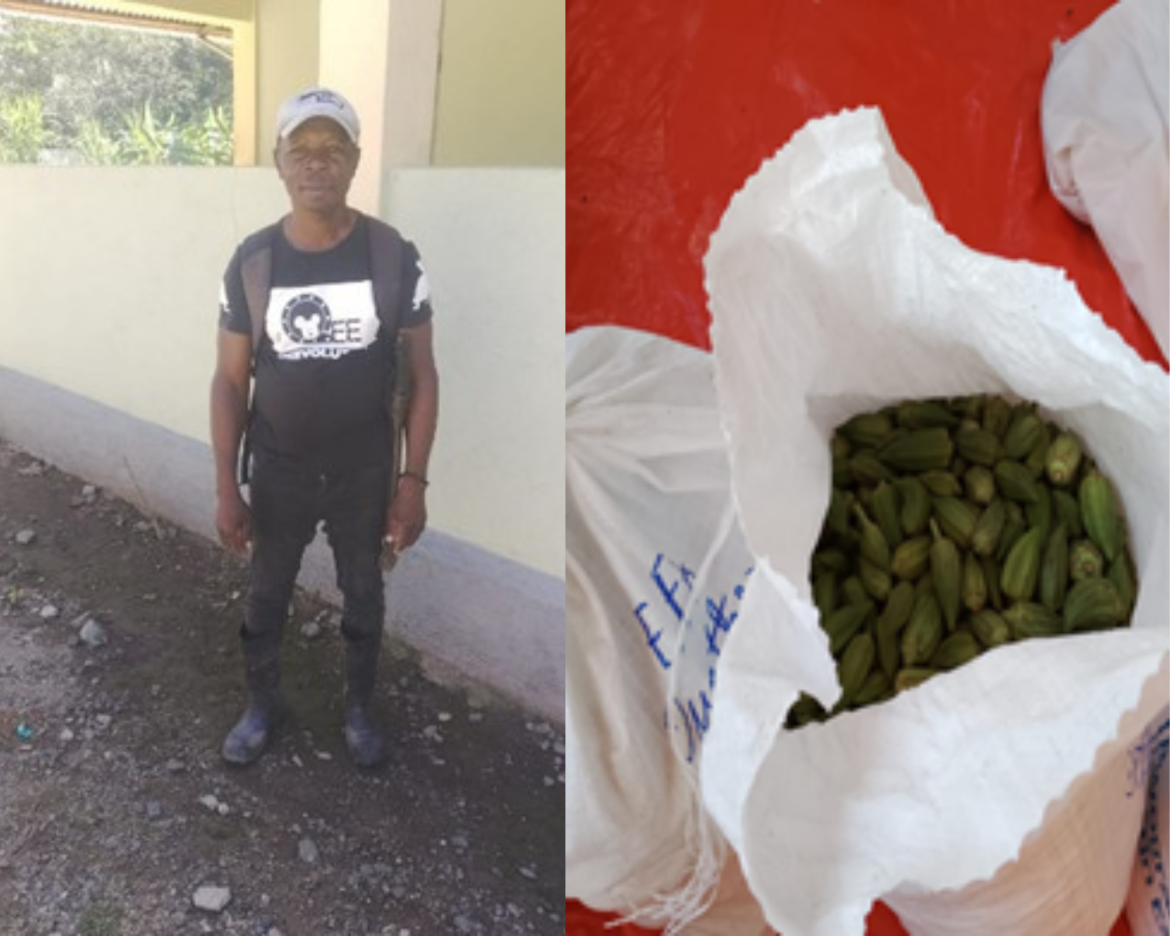
My name is Ovide Jean. I am an agricultural producer and member of MOPAW – the national professional agricultural organization – in Haut Maribahoux, Nord-Est, Haiti.

Selling my crops used to be a real struggle. There were many of us producing the same food, and buyers used to impose their prices on us. Very often, I sold at a loss due to a lack of profitable markets.

Since October 2024, my situation has changed thanks to the school feeding program with localy-sourced food, supported by GPE, the World Food Programme and the Inter-American Development Bank.

Today, I regularly provide black peas and okra to feed the children in the schools in my community.

This program gives me a security that I never had before: I know that my work will be paid for its fair value. It has directly improved my family's life.

This year, I decided to go even further. As potatoes are now accepted, I planted more. My goal is to increase production during the next harvest to supply the schools.

It is a great pride for me to know that what I grow is used to feed the children in my own area.

Nourishing futures in Haiti: How school meals are building resilience and transforming lives

Ovide Jean (left) and some of the crops he produces (right).

Credit:
WFP

The power of partnership

This extensive work is a testament to strong partnerships, crucial for enhancing education quality across Haiti.

Dr. Hervé Boursiquot

“All this work aims to improve the quality of education, and we thank all partners who support Haitian schools, whether through school canteens, textbooks or teacher training. To better coordinate these efforts, the National Office for Partnership in Education ensures that each partner responds to a specific need. This is what makes this education partnership in Haiti strong and successful.”

Dr. Hervé Boursiquot
Director General, National Office for Partnership in Education (ONAPE), Haiti

Despite ongoing challenges, the dedication of all involved ensures children have access to education and essential services.

Mohamed Yassine

“The situation in Haiti remains difficult, with the country facing numerous crises, but the ministry, partners, teaching staff and parents continue working to ensure that children have access to school and benefit from basic services such as school meals.”

Mohamed Yassine
Country Engagement Lead, GPE

Haiti's school feeding policy is the result of a joint commitment and partnership with the School Meals Coalition. Haiti, GPE, the Inter-American Development Bank and the World Food Programme are all committed partners of this global network.

Ambitious goals for a brighter tomorrow

Haiti’s revised National School Feeding Policy and Strategy (PSNAS), covering the period 2024 to 2030, seeks to increase the number of students receiving regular, nutritious meals, aiming to reach 100% coverage by 2030.

The government also aims to raise the share of locally sourced ingredients in school meals to 50% by 2026 and 100% by 2030.

A US$19 million GPE Multiplier grant for the period 2024–2028 catalyzed $58 million in cofinancing from the U.S. Department of Agriculture’s McGovern-Dole program, the Inter-American Development Bank and Education Above All, with 59% of this funding dedicated to scaling up school feeding nationwide.

All photo credits: Inter-American Development Bank except where noted.

Related blogs

Thank you for the story about Haiti. It's so good to see locally grown food support those that grow it and be used in a school to feed students. I love that attendance had improved as a result. Such a great story!

Leave a comment

Your email address will not be published. All fields are required.

The content of this field is kept private and will not be shown publicly.

Comments

  • No HTML tags allowed.
  • Lines and paragraphs break automatically.
  • Web page addresses and email addresses turn into links automatically.