A stronger start: Expanding quality early learning in Lesotho
by UNICEF Lesotho
|
4 minutes read

Lesotho, with support from GPE and UNICEF, is strengthening early childhood education, ensuring more children develop the skills and confidence to thrive.

In the remote village of Pitseng in Thaba-Tseka district, excitement is growing as Itekeng Primary School prepares to welcome nearly 30 children between five and six years old into a newly established reception class.

For many families, the new classroom represents more than an additional learning space. It is an opportunity for children to begin their education with the strong foundation they need to learn, grow and thrive.

Itekeng Primary School is one of 23 schools benefiting from investments aimed at expanding access to quality early childhood education through the Laying the Foundations of Learning in Lesotho program, funded by a GPE Multiplier grant.

The program is helping schools create safe and stimulating learning environments while strengthening teaching, assessment and community participation in early learning.

“We are ready,” says school principal Mr. Motsumi. “The classroom is complete, and we cannot wait to welcome the children.”
A stronger start: Expanding quality early learning in Lesotho

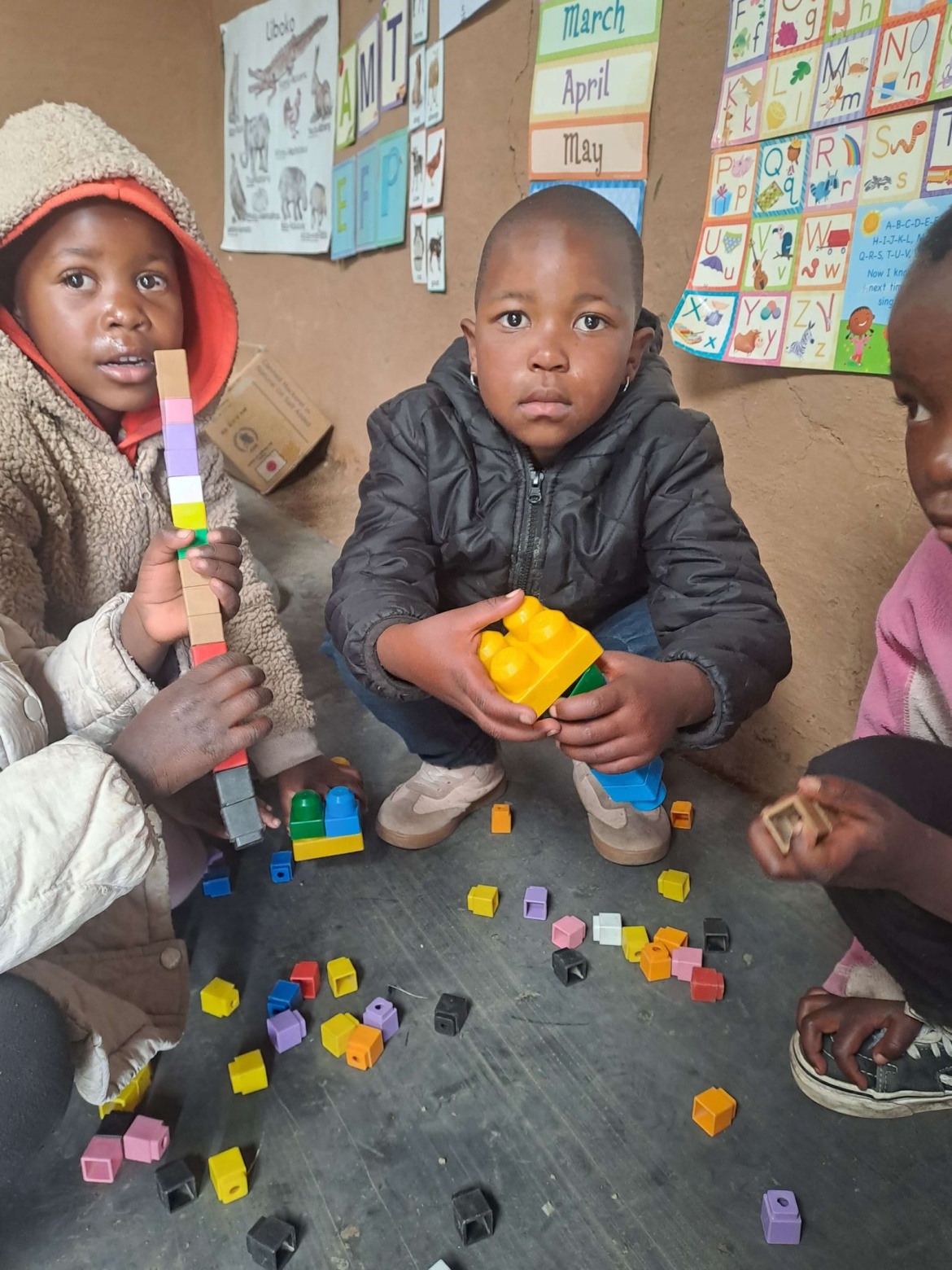
Learners at Mofolaneng Primary School in Mokhotlong are among the children benefiting from expanded access to early childhood education in Lesotho.

Credit:
UNICEF Lesotho

Preparing children for school success

Across Lesotho, many children continue to face barriers to quality early childhood education, particularly in remote and mountainous communities where learning resources and infrastructure are limited.

Without opportunities to develop foundational literacy, numeracy and social skills before entering primary school, many children begin grade 1 already at a disadvantage.

In Mokhotlong district, Mapholaneng Primary School is already demonstrating how these investments are transforming learning experiences for young children.

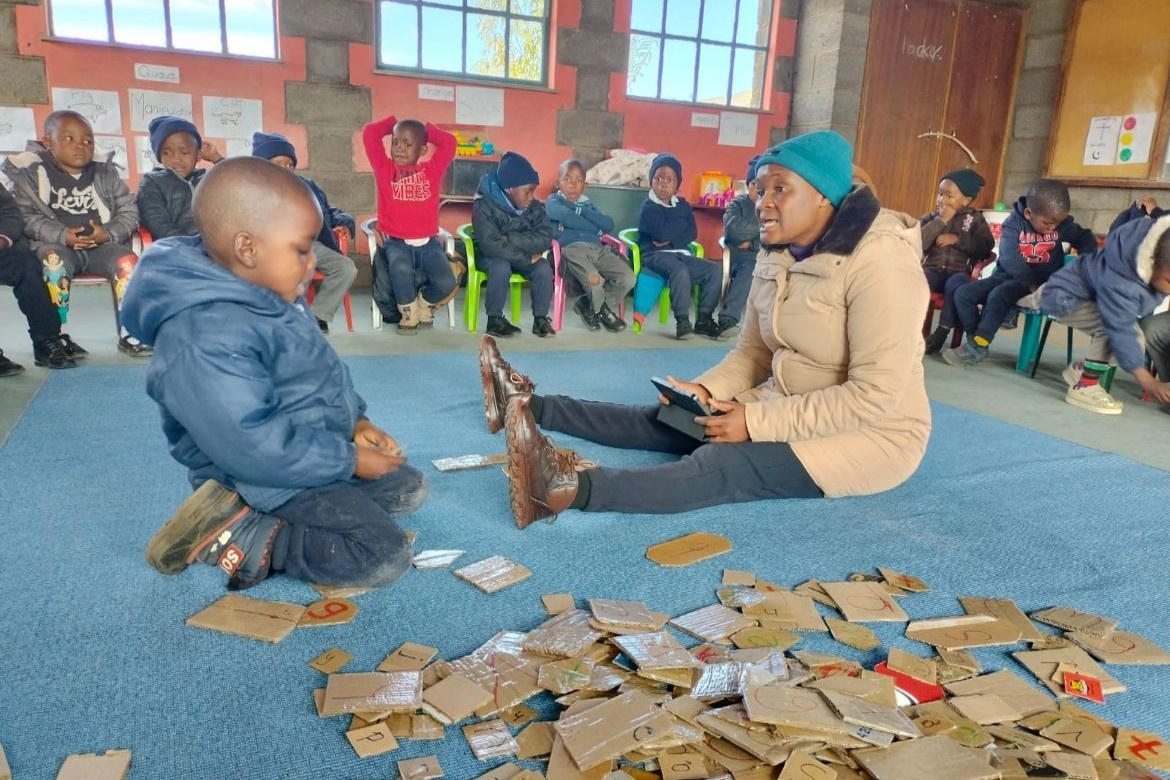
Inside a lively reception classroom, learners participate enthusiastically in a literacy lesson led by teacher ’Mateboho Leroka.

Using cardboard letters scattered across the floor, she invites learners to identify letters, pronounce their sounds and combine them into simple words. Laughter, applause, and excitement fill the room as children celebrate one another’s progress.

A stronger start: Expanding quality early learning in Lesotho

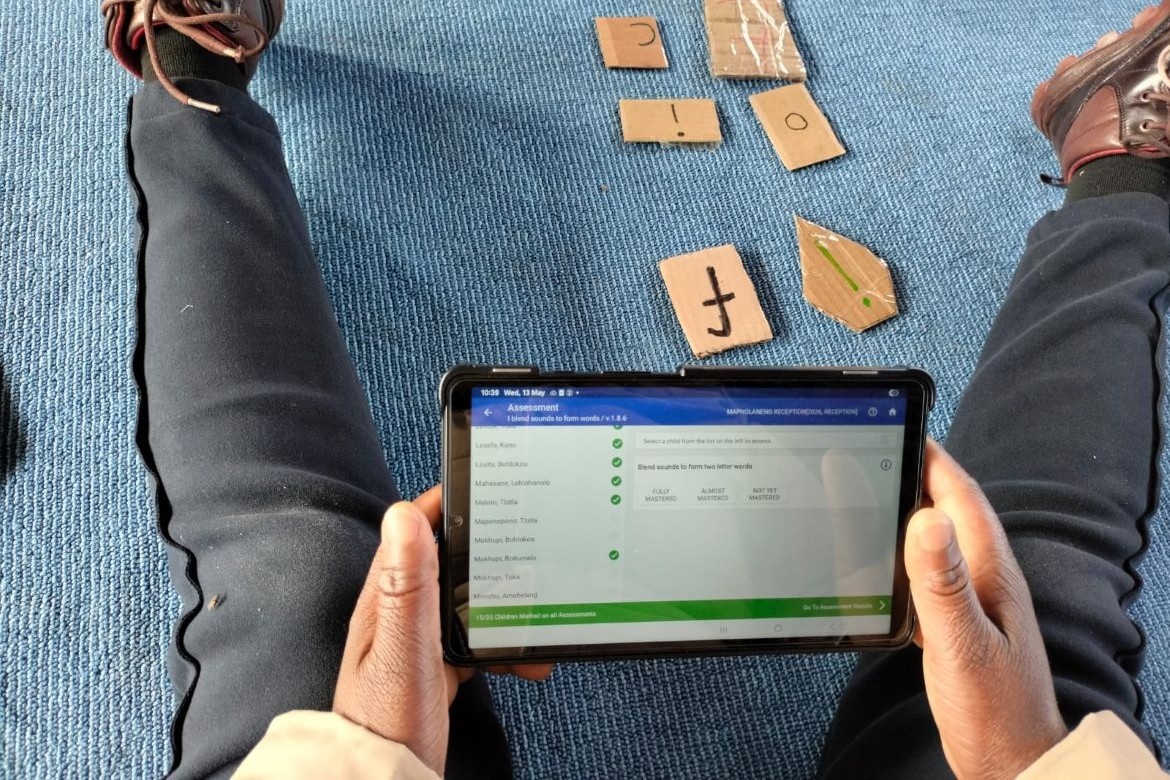
Teacher Mateboho Leroka from Mapholaneng Primary School in Mokhotlong uses a tablet to assess learners' progress in real time.

Credit:
UNICEF Lesotho

Technology supporting teaching and assessment

Supporting this learning process is a simple but powerful innovation that is helping teachers better monitor children’s development in real time.

Using a tablet provided through the program, ’Mateboho records each learner’s progress instantly during classroom activities.

“Before, assessment was slow and difficult,” she explains. “Now I can capture each child’s performance easily and spend more time teaching. It helps me ensure that no learner is left behind.”

The tablet also provides access to culturally relevant digital storybooks, an important resource for a school without a library. For many learners, it is expanding access to reading materials and creating new opportunities for interactive learning.

School leadership is already observing positive changes in children’s readiness for formal schooling. “Children are being taught in ways that help them understand concepts more easily,” says principal ’Manako Mathaba. “When they move to grade 1, the transition will be smoother. I also appreciate the tablet used for assessment and hope more teachers can benefit from this technology.”

The Network of Early Childhood Development of Lesotho has played a key role in strengthening early learning in Lesotho by supporting the training of facilitators, teachers and school leaders, while promoting the use of innovative tools such as the Early Learning Kiosk and the ChildSteps assessment system.

These efforts have helped enhance teaching practices, strengthen learner assessment, and ensure that more children enter primary school with the foundational skills needed to thrive.

A stronger start: Expanding quality early learning in Lesotho

Tablets record each learner’s progress during classroom activities and give students access to new learning materials, like culturally relevant digital storybooks.

Credit:
UNICEF Lesotho

Communities helping children thrive

The program is also strengthening the role of parents and communities in supporting children’s education.

In Mapholaneng village, parents raised funds to help construct a classroom for reception learners and are creating a playground using recycled materials.

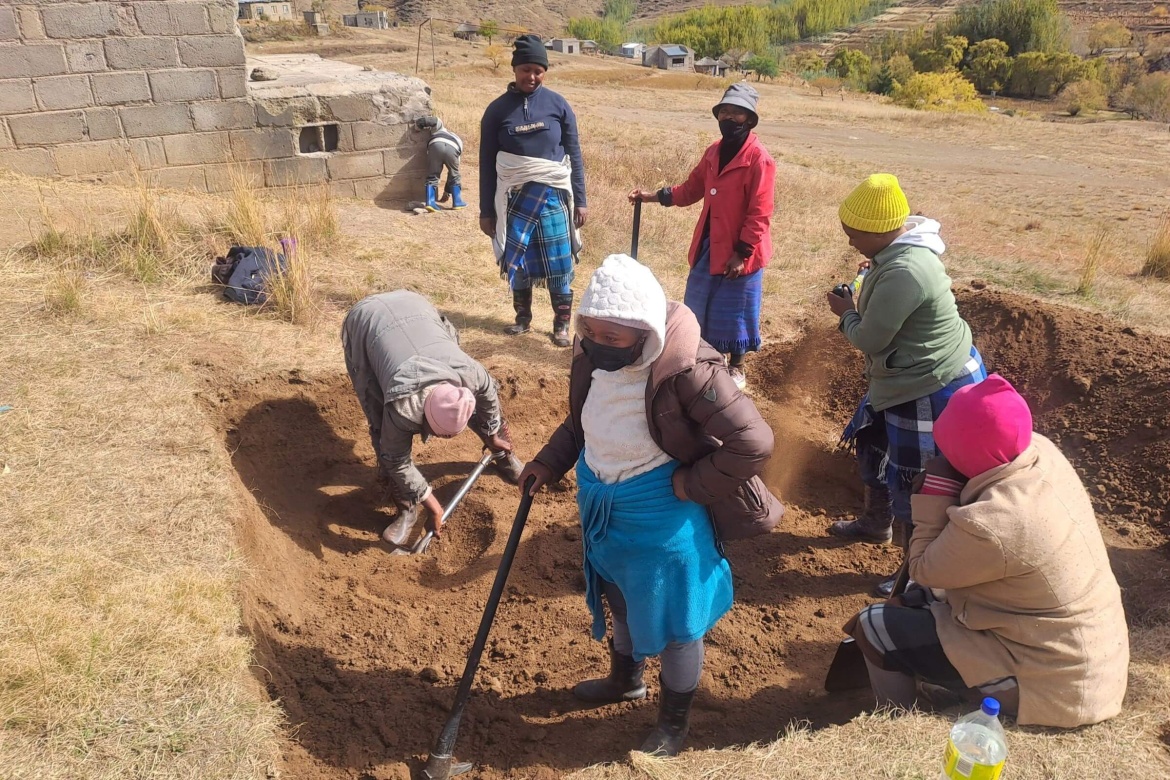
In nearby Mofolaneng Primary School, groups of mothers are working together to build child-friendly toilets for reception learners. Working in rotating village groups, they dig foundations while singing, encouraging one another.

“Hygiene is of utmost importance. These facilities will keep our children safe and protect their health,” says ’Marelebohile Lekoala, a mother of two five-year-olds in reception class.

Their efforts reflect growing community ownership and a shared commitment to ensuring children have safe, supportive and nurturing learning environments from the earliest years.

A stronger start: Expanding quality early learning in Lesotho

Parents at Mofolaneng Primary School in Mokhotlong work together to build child-friendly toilets, contributing their time and labor to create a safer and healthier learning environment.

Credit:
UNICEF Lesotho

Scaling early learning across Lesotho

By working in partnership, the government is scaling up efforts to strengthen foundational learning nationwide.

A US$2.5 million GPE Multiplier grant, which is managed by UNICEF, mobilized new and additional financing of another $2.5 million from the Federer Foundation, and the program is implemented in partnership with the Ministry of Education and Training and the Network of Early Childhood Development of Lesotho.

The contribution from the Federer Foundation stimulated other private companies and foundations to bring new and additional financing to education in Lesotho.

The program addresses the early childhood component of Lesotho's Partnership Compact—the country’s blueprint for aligning partners and resources behind key policy priorities and reforms with the potential to achieve large-scale and sustainable change that benefits even the most marginalized children.

The program is being implemented in 300 schools across the districts of Berea, Maseru, Qacha’s Nek, Thaba-Tseka and Mokhlotlong. It includes the training of 550 teachers in early childhood education, strengthened teaching and assessment practices, and the introduction of innovative tools and improved data systems to support learning outcomes.

By strengthening early childhood education, the government of Lesotho and its partners are helping more children develop the skills and confidence they need to succeed in school and beyond.

Related blogs

Leave a comment

Your email address will not be published. All fields are required.

The content of this field is kept private and will not be shown publicly.

Comments

  • No HTML tags allowed.
  • Lines and paragraphs break automatically.
  • Web page addresses and email addresses turn into links automatically.