
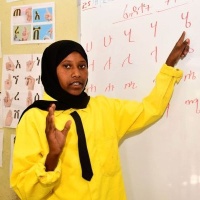
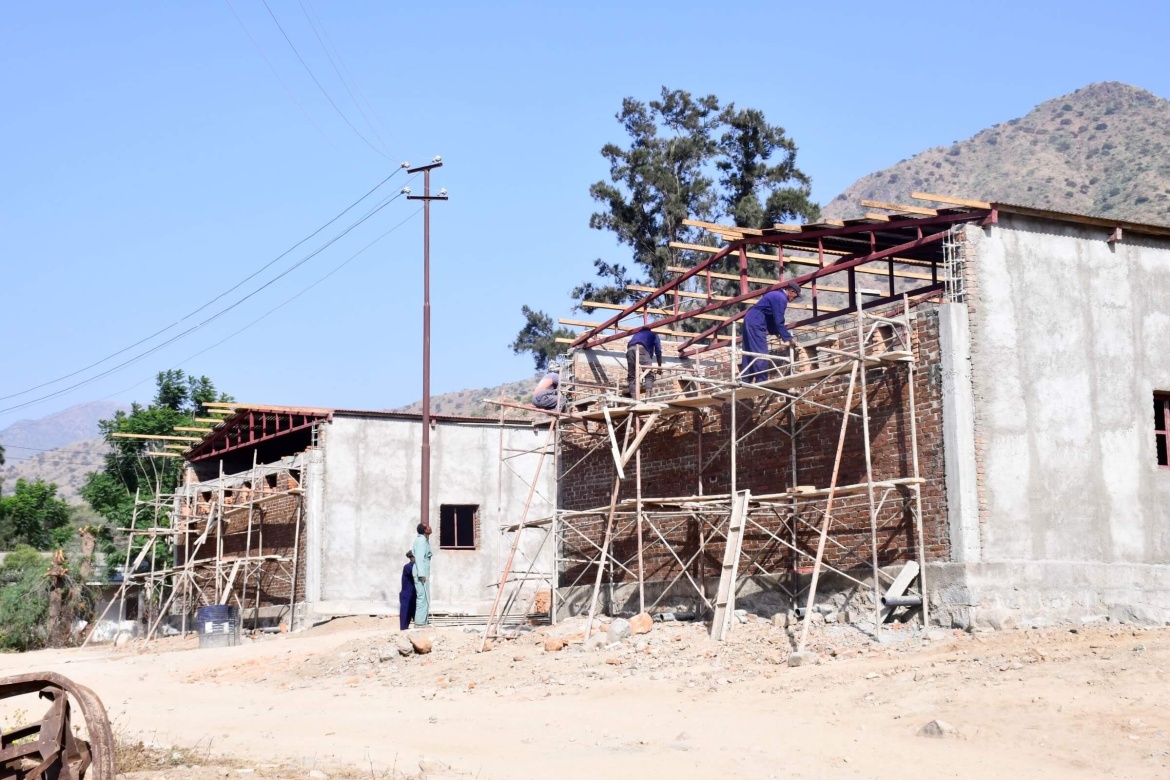
In the village of Mai Habar in Northern Eritrea's Red Sea region, 14-year-old Seida is excited about the construction of a school for students with hearing impairments.
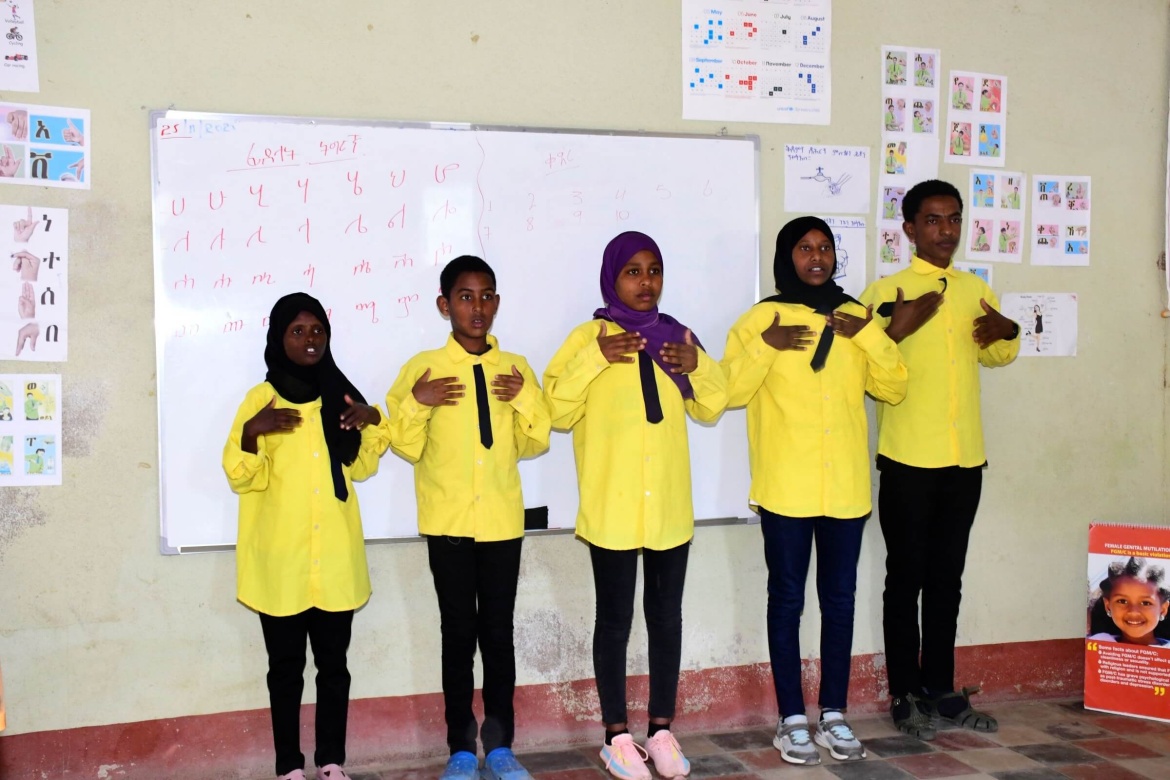
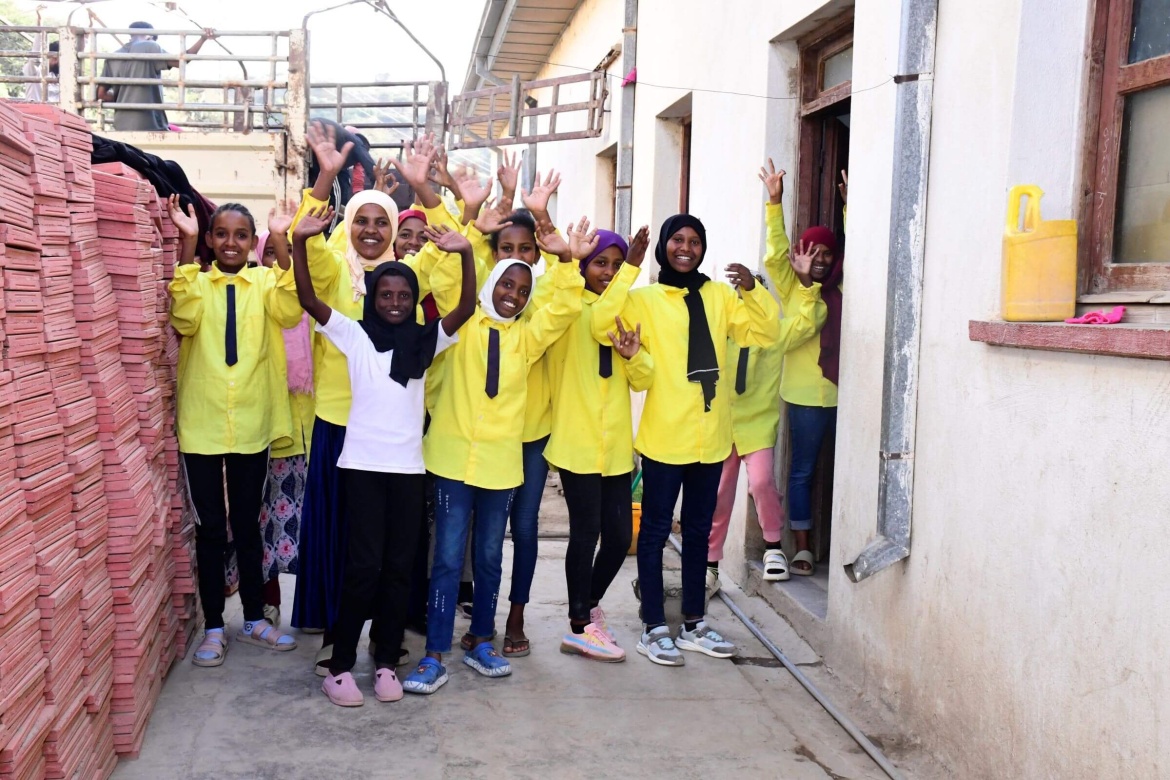
As new classrooms take shape, she is one of 35 students already learning at the school, which will eventually accommodate 150 students once construction is complete.
For the first time, Seida and her peers are able to learn in classrooms designed around their needs. The school is part of Eritrea’s efforts to make quality basic education accessible to and inclusive of all children.
In addition to this school, Eritrea has constructed 189 classrooms in rural and remote communities where access to learning has been limited. Thanks to a GPE grant of US$17.2 million (2020–2026) and implementation support from UNICEF, the government has been opening doors to education in the most underserved areas of the country.
“Education is wonderful. We learn new things every day, and the teachers at our school support us greatly in our studies,” says Seida.
This is an inspiring example of how targeted investments in inclusive education can transform opportunities for children in underserved communities. Building new schools, supporting children with disabilities, and expanding access to quality learning are important milestones. As these initiatives grow, digital school management solutions can also play an important supporting role by helping schools manage student enrollment, attendance, teacher records, academic performance, and reporting more efficiently. Strengthening both educational infrastructure and school administration will help ensure that every child has access to quality education and that schools can operate more effectively.
Leave a comment
Your email address will not be published. All fields are required.