Fiji: Pre-primary expansion multiplies possibility for children, caregivers and teachers
Story highlights
- In Fiji, pre-primary enrollment has been on the rise, but many children, especially in rural areas, were missing out on early learning.
- With support from GPE, UNICEF and other partners, the government introduced a policy guaranteeing one year of free, full-day pre-primary education for all 5-year-olds.
- Universal access and extended learning hours are better preparing children for primary school while giving caregivers more time to work and care for their families.
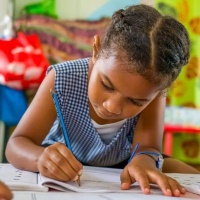
“At school, I like painting, and my favorite game is skipping.”
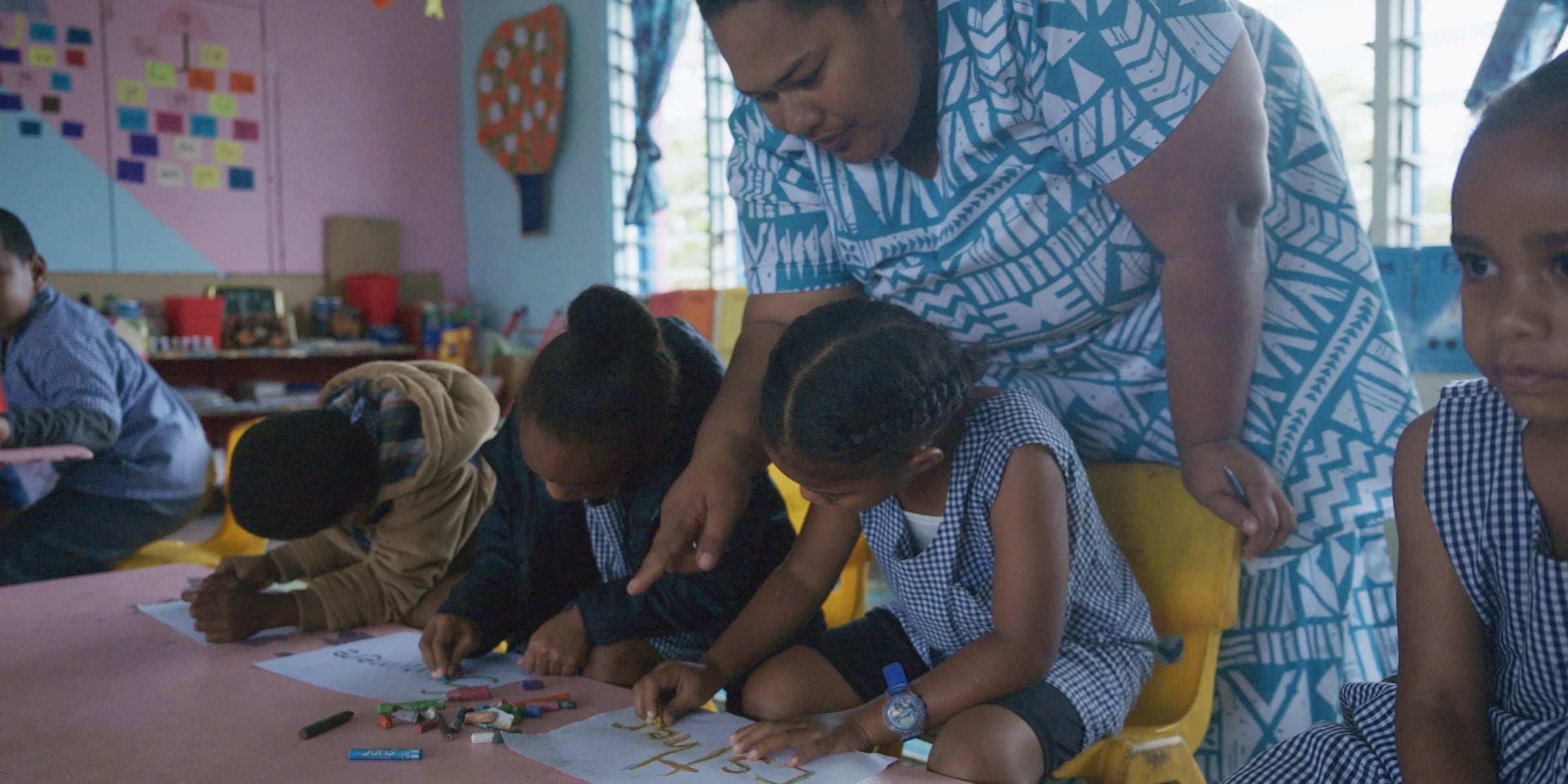
For 5-year-old Esther Bola, kindergarten is a place to learn, play and prepare for primary school.
At her school in rural Lomaivuna, Esther is developing early literacy and numeracy skills, practicing writing, and developing social and emotional skills through play and interaction with her classmates and teacher.
But her experience is different from that of her older sister, Grace, who attended the same kindergarten two years earlier.
When Grace started kindergarten in 2024, classes were held for half a day and cost around US$50. For their mother, Dalcy, the short school day left no time to work on the family farm.
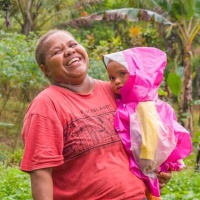
“I would drop her off, do a few things, and go back to pick her up again. There was not enough time for me to take care of the house and help on the farm.”
The family decided to send Grace to live with her grandparents in Suva while she completed pre-primary education. This way, Dalcy could raise Esther, tend to the house, and still find some time to help her husband plant and harvest crops.
By the time Esther enrolled in 2026, pre-primary education in Fiji had undergone a significant change.
A new beginning for pre-primary education
The National Pre-primary Education Policy 2025 guarantees one year of free, full-day pre-primary education for every 5-year-old. Within the first year of the new policy, all pre-primary establishments were required to enroll 5-year-olds and implement the national curriculum.
Today, Dalcy’s younger daughter, Esther, attends free kindergarten from 8 a.m. to 2 p.m. Her older daughter, Grace, who previously lived with her grandparents in Suva while attending kindergarten, has since returned to Lomaivuna and now attends full-day primary school.
For Dalcy, the longer school day means she has more time for household responsibilities and helping on the farm.
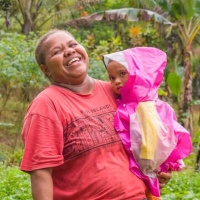
“We have been doing a lot more planting. It was hard last year, but this year is different: we have been able to make more profit.”
And at the end of the day, the family is together. “When the children are home from school, they play, we discuss things, we pray together," says Dalcy. "I love having my children with me.”

“The program significantly delivers benefits for families and communities. Parents no longer have to leave work during the day to collect their children from school, providing greater opportunity and flexibility for working families. And for stay-at-home mothers, these additional hours can also enable them to seek full-time employment.”
Supporting families, children and educators to thrive
Before the new policy, children not participating in early learning tended to live in rural and coastal areas. Caregivers – often mothers – stayed home with their children until they entered primary school at age 6, limiting their opportunities to work and earn an income.
Fiji’s new policy creates potential for caregivers to participate more fully in economic life while providing children with critical early learning opportunities. Universal access to one year of pre-primary education and longer school days are enabling the country’s young children to better prepare to enter primary school.
Esther’s teacher, Fiona Obani Rokobuli, has seen the difference. “When school was a half day, children hardly had time to complete their tasks,” she says. “With the full-day program, we have ample time, and they learn so much more. We even have toothbrush time and rest time now.”
Fiona wants her students to enter grade 1 confident in their early literacy, numeracy and social skills.
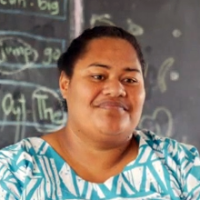
“When they go to grade 1, my students will know how to write their names, identify all letters from A to Z, and know numbers 1 to 10. I want the grade 1 teacher to notice that my students are well-behaved and well-versed in phonetics, coloring and writing.”
The policy is also changing the experience of early childhood educators who now follow the same work schedule and salary framework as primary teachers, making the profession more respected and attractive.

“Our early childhood teachers have good qualifications. But when they worked half a day, they were paid for half a day. With the new policy, they are paid as full-day workers of the Ministry of Education, on par with primary teachers.”
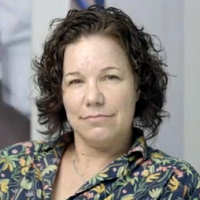
“This is about prioritization and recognition of the importance of pre-primary education and the critical value that it plays in setting up the foundations for success later in school and beyond. We are also improving retention of pre-primary teachers who may otherwise move to another level of education or move on to another career. This is an investment in teachers and ultimately in the children.”
Partnering to strengthen early learning
Fiji’s National Pre-primary Education Policy 2025 was developed through the Pacific Regional Education Framework 2018-2030 (PacREF) partnership, supported by GPE, co-funded by New Zealand's Ministry of Foreign Affairs and Trade, and managed by the Asian Development Bank.
The framework brings together Pacific countries and development partners, including UNESCO and UNICEF, to strengthen education planning and policy across the region.
PacREF has also developed regional resources, including an early childhood education planning toolkit, to support countries in developing their own approaches.
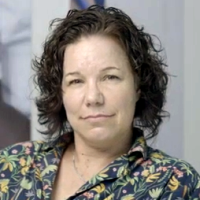
“UNICEF supported the Ministry of Education to develop the national pre-primary policy through the Pacific Regional Education Framework. The program was funded by multiple donors, including GPE, the largest contributor, through an innovative regional pooled funding mechanism especially for the Pacific. With this support, Fiji was able to increase funding to pre-primary education, making it a nationally available full-day program.”
To complement the rollout of the new policy, a US$4.9 million GPE system transformation grant, with UNICEF as grant agent, is helping Fiji strengthen access to quality early childhood education.
The grant supports professional development for pre-primary teachers, teaching and learning materials, and stronger partnerships between early childhood education centers and communities.
The Australian High Commission to Fiji serves as coordinating agency, supporting partner dialogue and collaboration in support of Fiji’s education priorities.
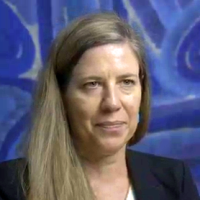
“Australia’s role reflects our longstanding partnership with Fiji and our shared commitment to quality education. Good coordination helps ensure that our investments deliver better outcomes for children and families.”

“By investing in these early foundations, we are not only supporting teachers, we are strengthening learning outcomes and helping every child to progress with confidence. The increased hours provide increased opportunities for everybody, for teachers, students and the learning environment. These additional learning hours support stronger learning acquisition, social-emotional development and school readiness.”
With strong government leadership and coordinated partner support, Fiji’s expansion of early childhood education is multiplying possibilities – for children like Esther, for their families and teachers, and for the communities they call home.
More country journeys