Somalia: Layla's journey back to school
Story highlights
- After the drought destroyed Layla's family livelihood and forced them to leave home, Layla struggled to access education.
- A scholarship supported by GPE’s Girls’ Education Accelerator helped Layla return to school, giving her the chance to learn and build confidence.
- 8,285 girls have already enrolled in school through GPE-supported scholarships, with 10,000 expected to benefit by the end of the program.
This story was written in collaboration with CARE Somalia.
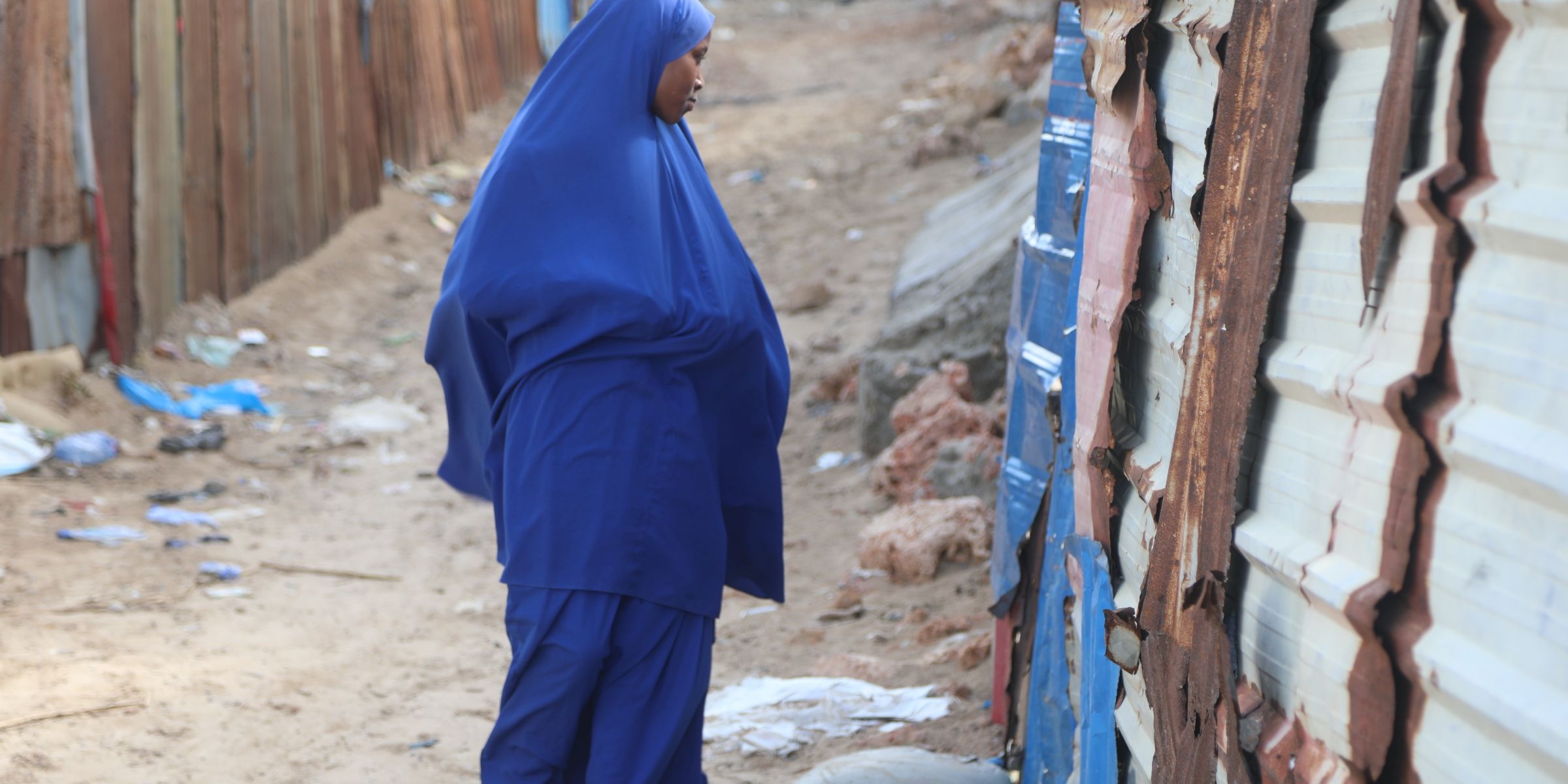
Every morning in the pastoral village of Caanole, 12-year-old Layla would wake before sunrise, brush her teeth and spend the day herding her family's goats.
Although she occasionally attended informal classes where she learned basic literacy and numeracy, her family's pastoral lifestyle and financial hardship meant that formal education remained beyond her reach.
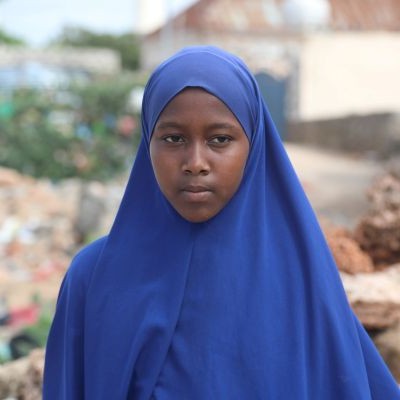
"We fled because of the drought," Layla recalls. "We lost all our goats."
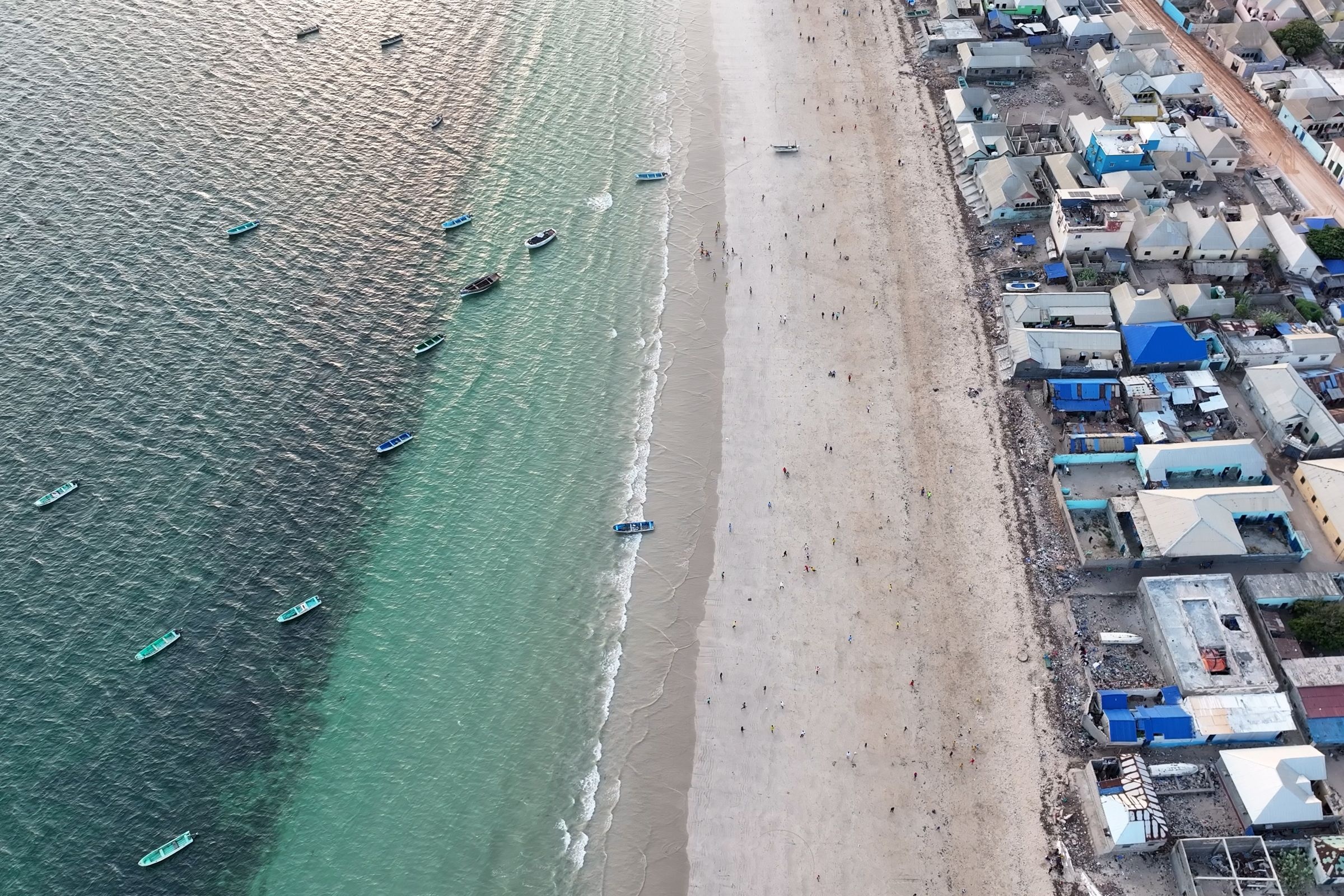
With their livestock gone and no livelihood left to support the family, they moved to the coastal city of Kismayo in search of a way to rebuild their lives.
"I am only one woman, but I do my best," Layla’s mother, Sahra Dahir Hassan, says. "My 7 children depend on me for everything—their education, food, medicine, clothes, books and pens. No one supports me; what I earn is through my own labor."
Layla never stopped dreaming of going to school.
When neighbors told the family about a nearby school where she could enroll through a free scholarship program for girls, she seized the opportunity.
“Layla kept coming to me and saying, 'Mother, if I get an education, I will support you. I will lift you out of our hardship. I want to study’. She was so determined that I agreed to enroll her in school."
After years without access to formal education, Layla entered Al-Hidaaya School.
Following an initial assessment, she was placed in grade 1, where she began learning alongside younger children and gradually built her confidence as a student.
Turning determination into opportunity
Layla's opportunity came through a scholarship supported by GPE's Girls' Education Accelerator.
Supported by CARE Somalia, the program provides scholarships covering tuition fees and essential learning materials and textbooks for girls who have never attended school, dropped out of the early grades or been affected by conflict, displacement and climate-related crises.
To date, 8,285 girls affected by conflict, displacement, drought and poverty have enrolled in school through these scholarships. By the end of the program, 10,000 girls are expected to benefit.
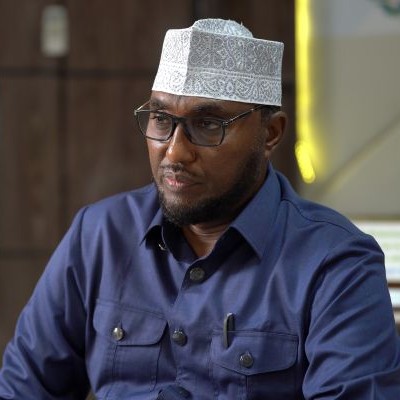
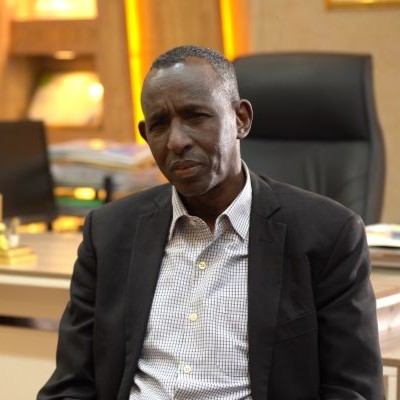
Principal Yasiin Cabdi Aadan says the girls at Al-Hidaaya School demonstrate what is possible when they have access to education. "Just recently, the top three students in every class were girls," he says.
For families facing financial hardship, scholarships can make the difference between girls staying at home and entering the classroom.
For many Somali families, the cost of schooling remains prohibitively expensive, particularly during times of crisis. When resources are scarce, families often prioritize boys' education.
The challenge is especially acute for girls from nomadic communities, minority groups and families displaced by conflict or climate-related disasters.
The scholarships are conditional on maintaining at least 90% attendance. The education ministry and CARE Somalia monitor attendance and learning conditions quarterly to help ensure schools continue to provide supportive learning environments.
A holistic approach to girls' education
Scholarships alone cannot remove every barrier to girls’ education.
The GPE-funded program takes a comprehensive approach, combining scholarships with capitation grants for public schools, menstrual hygiene management, new school construction, improved water and sanitation facilities, and community engagement.
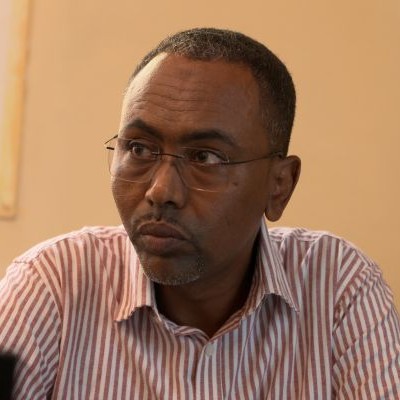
Community worker Asha Yussuf Abdinoor works with families to address key barriers to girls’ enrollment and retention, including early and forced marriage, female genital mutilation, household responsibilities and the discrimination faced by girls with disabilities.
“When this education program began, many girls enrolled and learned. They see it as a valuable opportunity—a chance they have finally been given."
Together, these program components help create safer, more inclusive learning environments where girls can enroll, attend regularly and complete their education.
More than 15,725 Somali girls who were previously out of school are now accessing primary education.
For Yasiin, one of the greatest rewards is seeing students transform through education.
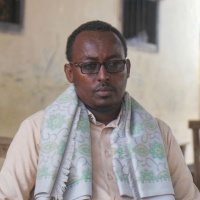
"There are many success stories. Some students come to us knowing nothing, not even how to write their own name. Today, they can do arithmetic, study subjects such as Arabic and English, sit examinations, and write clearly. Seeing how much they have learned is what encourages us and motivates us to continue this work."
Girls represented more than 40% of candidates sitting the national grade 12 examinations this year, while government-led teacher recruitment efforts have increased the proportion of female teachers from 18% to 33%, expanding the number of women serving as role models in classrooms across the country.
Reaching girls furthest from education
Since becoming a GPE partner in 2012, Somalia has received nearly US$260 million in grants to strengthen its education system and expand access to quality education.
Implemented in close collaboration with the Somali education authorities, the Girls’ Education Accelerator works alongside GPE's system transformation grant and other education investments to strengthen government capacity, improve planning and monitoring, and sustainably expand learning opportunities for girls.
Somalia also benefits from GPE's complementary programs, including Knowledge and Innovation Exchange (KIX) and Education Out Loud, which support innovation, evidence generation; and stronger civil society engagement in education, respectively.
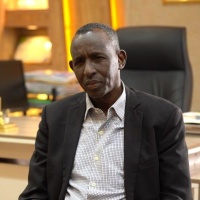
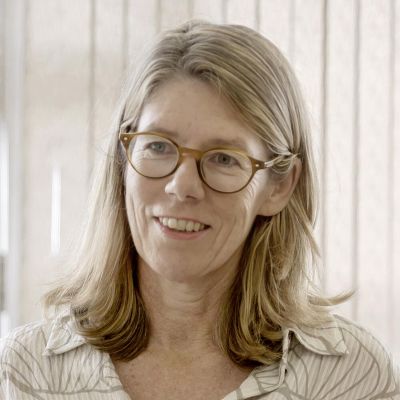
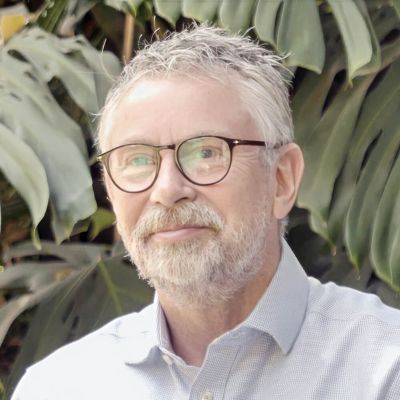
“The entire GPE program is based on the government’s priorities. This strengthens the government’s capacity to manage public finances and deliver services. What makes GPE different is that it is fully aligned with the needs identified by the government.”
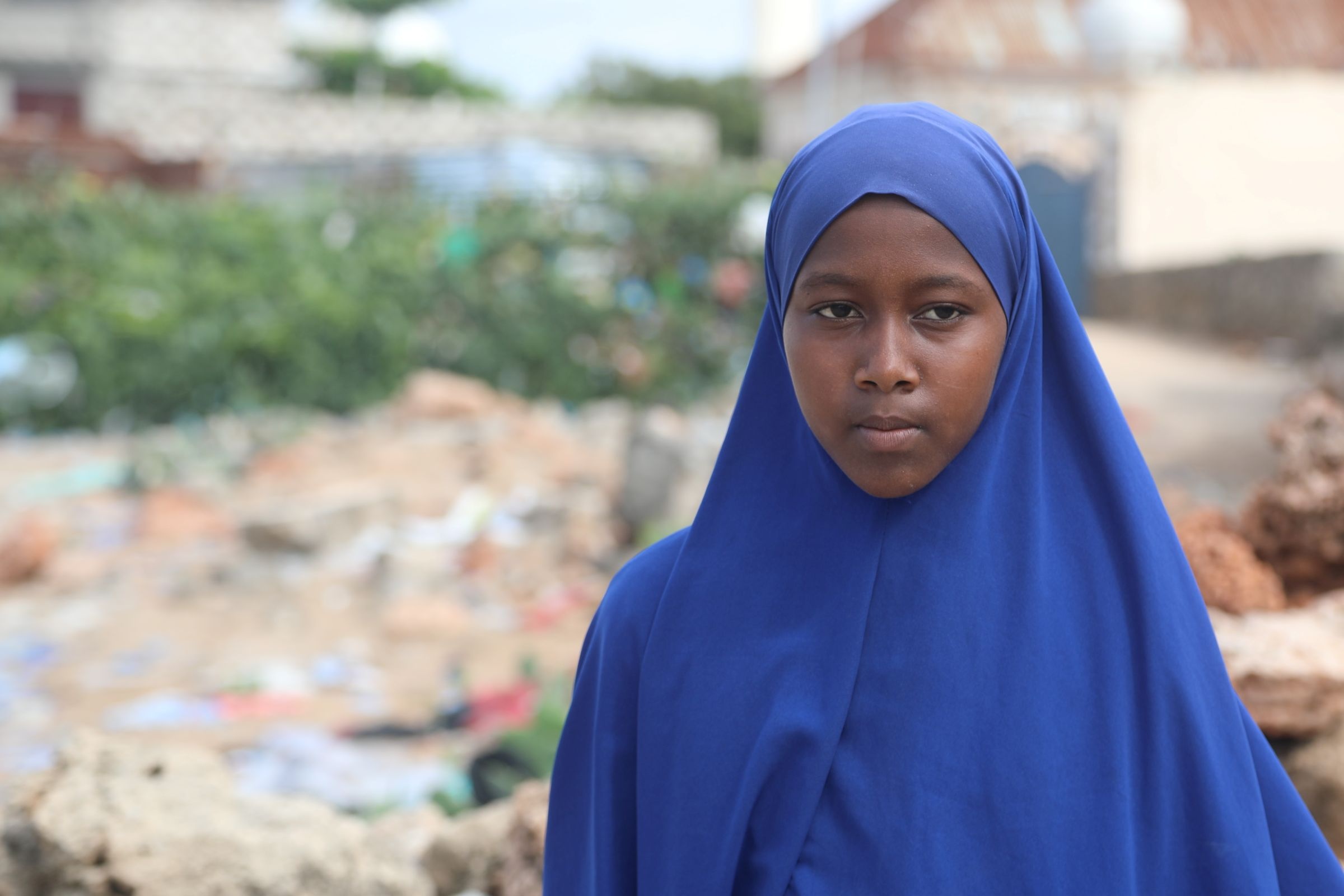
For Layla, those investments have transformed what once seemed impossible into a future full of possibility.
"I want to attend university and become a university lecturer," she says. "I want to pass on what I am taught so other people can learn too."
All photos: GPE/AP
September 2026
More country journeys