Kiribati : Keeping children learning through extreme weather
Story highlights
- In Kiribati, climate-related hazards can make getting to school difficult and disrupt learning inside classrooms.
- Even when extreme weather interrupts lessons, teachers and students are finding ways to keep learning and coming to school.
- A GPE program is supporting the government of Kiribati to strengthen its education system against climate-related risks and improve access to safe, resilient schools.
At Kiritimati Atoll Junior Secondary School in Kiritimati, the weather can determine whether students are able to get to school and how well they can learn once they arrive.
During heavy rain, only some school buses are safe for travel. Other students may have to rely on open-bed trucks, leaving them exposed to harsh weather on their journey. For some families, bad weather can mean deciding whether it is safe to send their children to school at all.
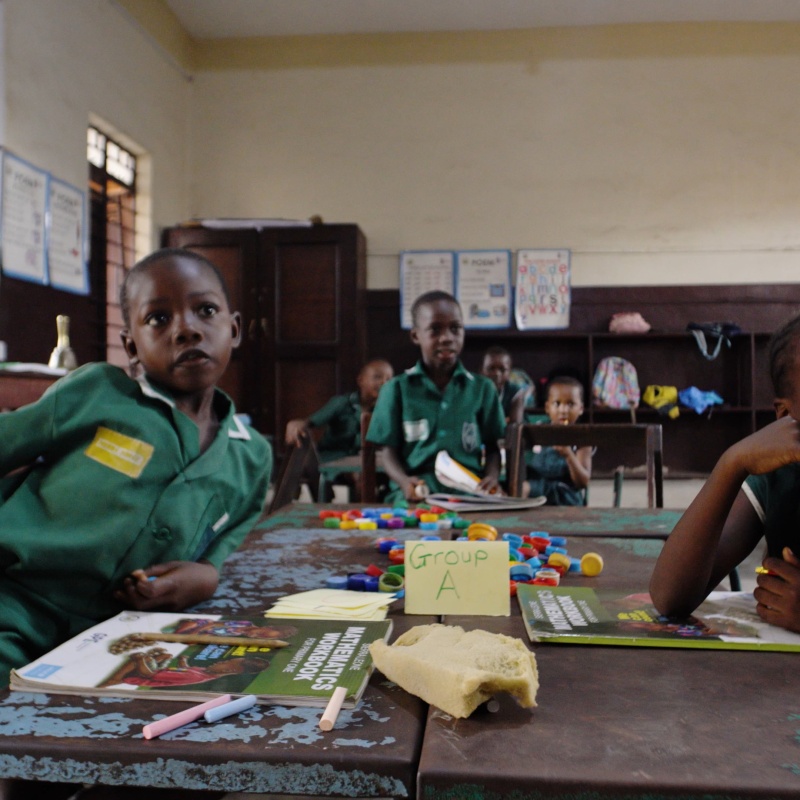
The challenges continue at school, where strong winds drive rain into classrooms, leaving floors flooded and forcing teachers to move lessons to other rooms when conditions become too difficult.
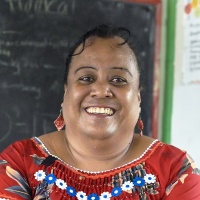
“During periods of extreme weather, we feel uncomfortable with the flooded areas and with strong winds that blow rain into the classrooms. The teachers try their very best though. They stay strong to assist their students.”
For the school’s deputy principal, Riam Tuari, the challenges became particularly clear during the 2024 El Niño, when teachers’ quarters and nearby homes were flooded. “I saw teachers’ belongings floating inside their houses,” she recalls.
Despite these challenges, school leaders and teachers say they continue to see families making every effort to keep their children in school.
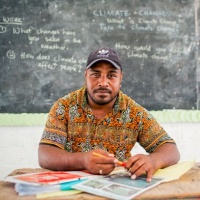
“We are always here for them, even when we have bad weather. The children still want to come to school because they know that education is important. ”
Keeping education in sight
For some students, bad weather does not necessarily mean giving up on school—but it may mean that getting there is arduous.
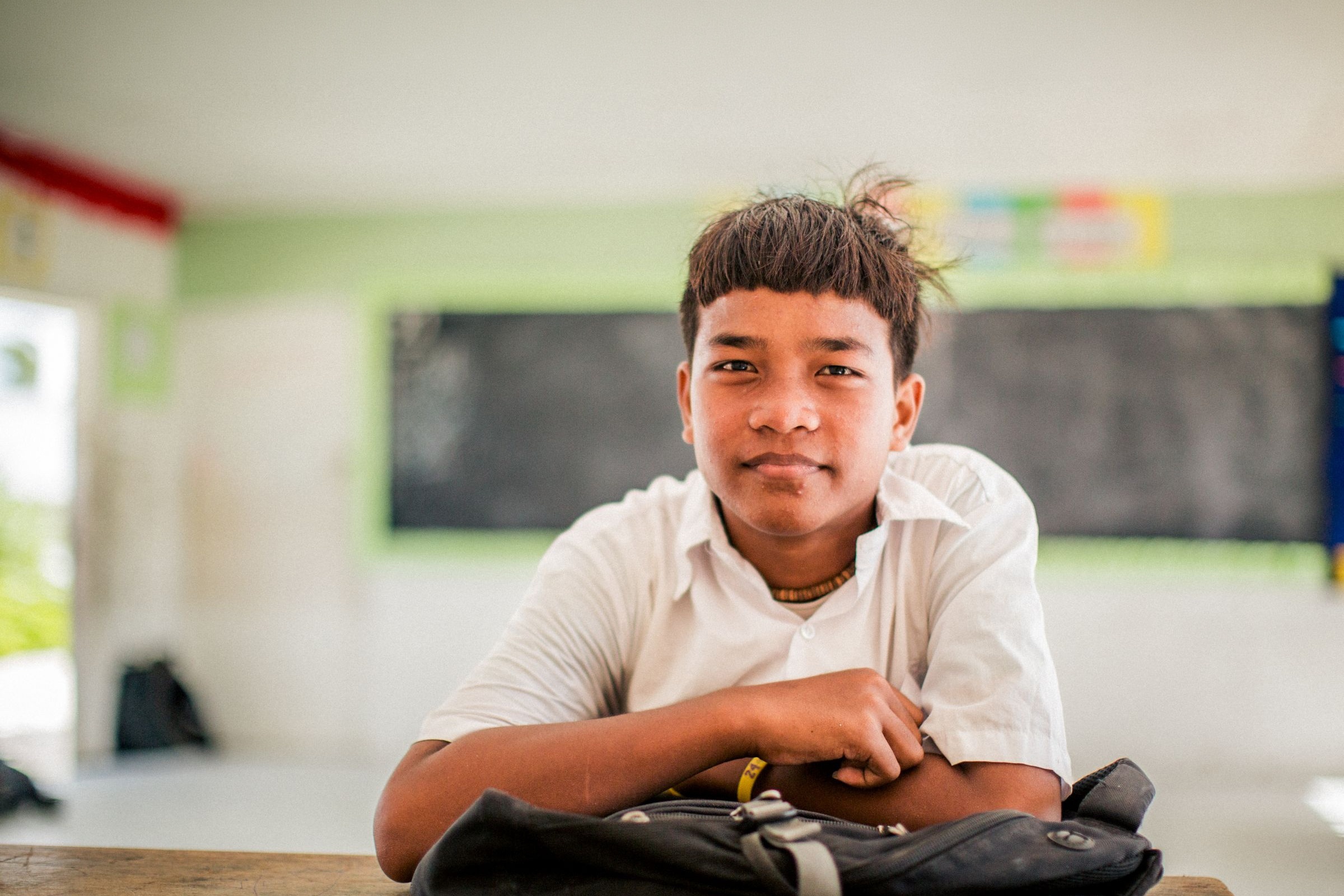
Junior, a 13-year-old student at Kiritimati Atoll Junior Secondary School, watches the weather from home before setting out for school.
When rain is heavy, he waits until it eases. If it starts again on the way, he finds shelter and waits, before continuing his journey.
“I will wait for it to stop and continue on my way to school because school is important to me and my future depends on it,” he says.
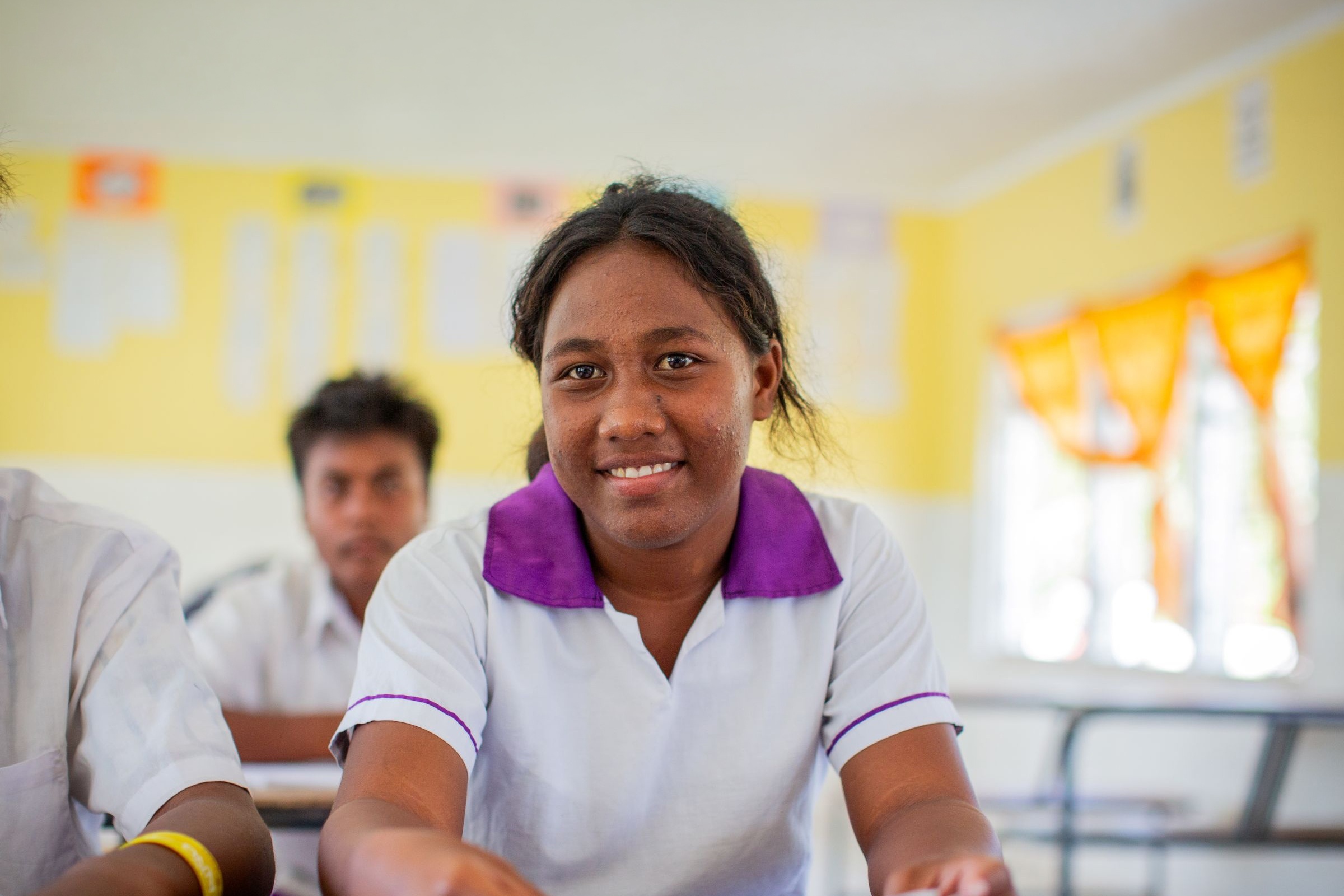
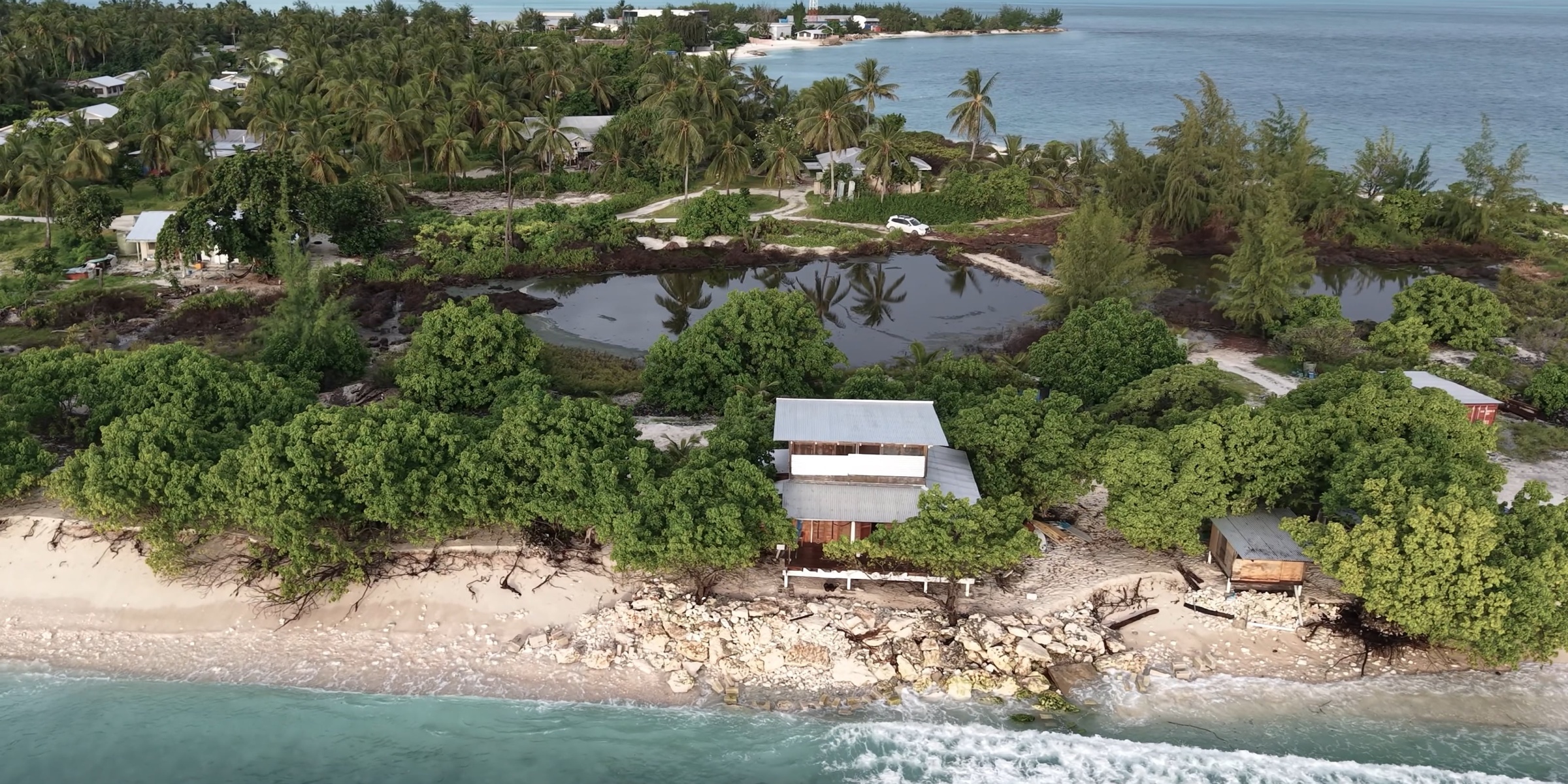
Teri, a 12-year-old student, faces a different threat from her environment. Rough seas and high tides have eroded the sand around her home, leaving it close to collapse.
Yet when Teri talks about her future, she comes back to education. “My school is very important, because it is the key to the future.”
She hopes to find a good job so that she can support her family and contribute to her community.
Schools in the context of a changing climate
Kiribati comprises 32 low-lying atolls and the raised island of Banaba, scattered across 3.5 million square kilometers of ocean. Communities face a range of climate-related challenges, including rising sea levels, coastal erosion, flooding, heavy rainfall and extreme heat.
At schools, these hazards can have serious ramifications. Heavy rainfall can damage school buildings and students’ materials. Flooding and coastal erosion can affect access and threaten land around schools. Drought can reduce the availability and quality of water, while extreme heat can also make classrooms uncomfortable places to teach and learn.
Making sure that these disruptions do not stand in the way of children’s education requires investment in infrastructure, transport and the wider resilience of the education system.
Building a more climate-resilient education system
A US$5 million GPE Multiplier grant, with the Asian Development Bank as grant agent, is supporting Kiribati’s Ministry of Education to strengthen the resilience and adaptive capacity of the education system, with a focus on the outer Gilbert Islands.
The grant is part of a broader US$30 million project funded through the Asian Development Bank, with the GPE contribution providing additional cofinancing.
The project also complements the government of Australia’s 10-year Kiribati–Australia Program in Tungaru.
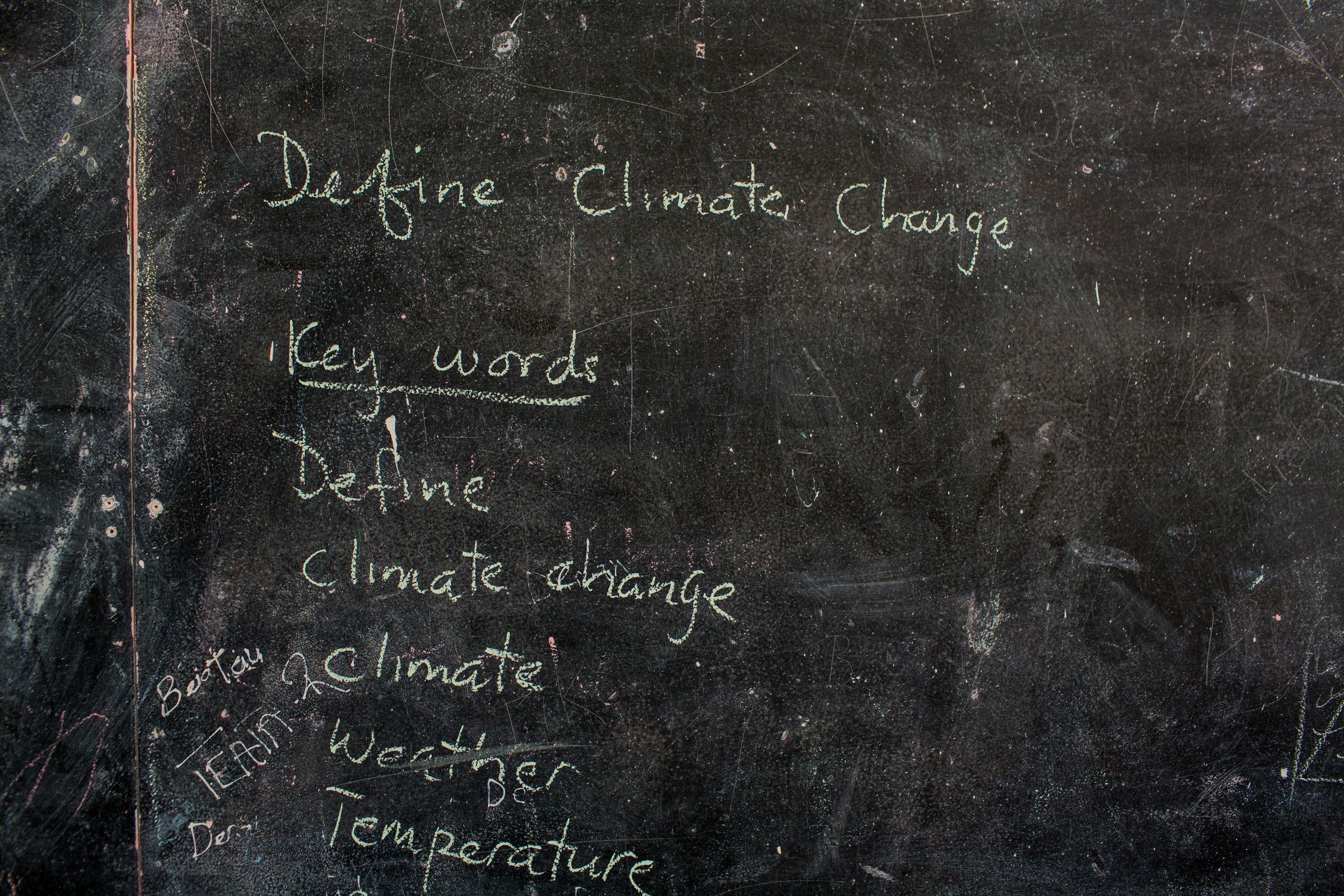
A lesson on climate change at Kiritimati Atoll Junior Secondary School. Students are learning about an issue that is already affecting their homes, communities and access to education.
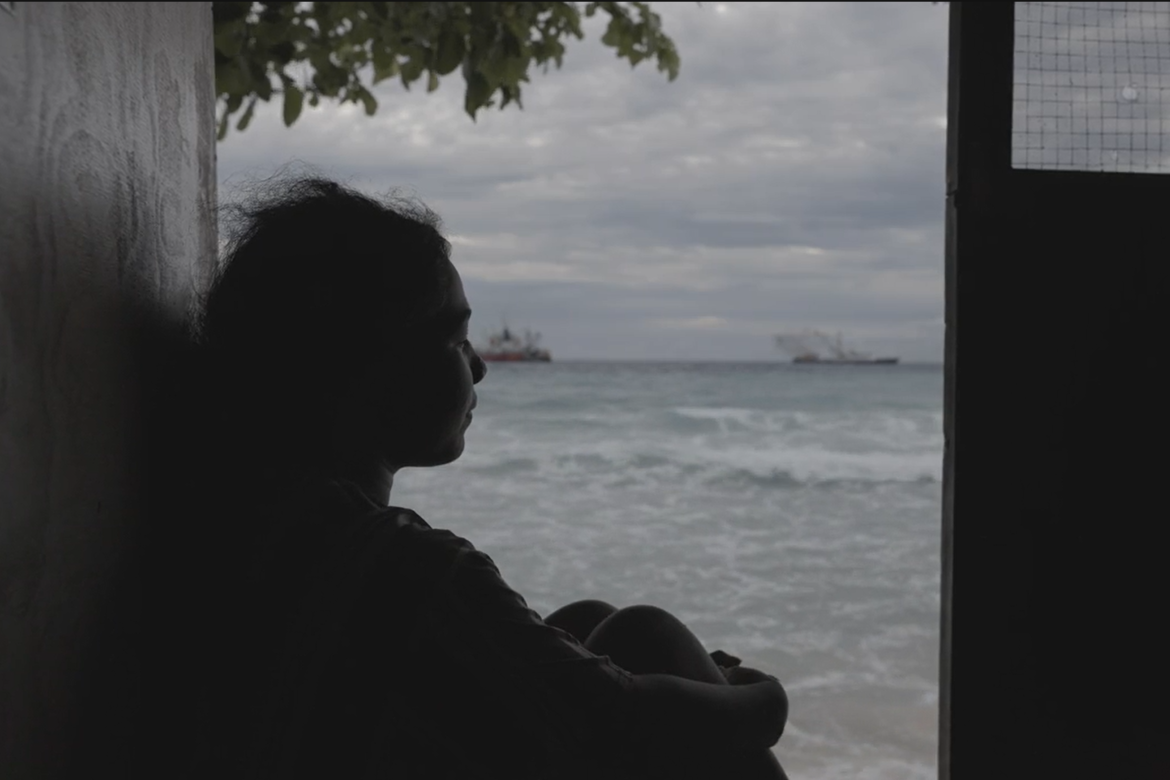
After waking up, Teri sits in the doorway of her home overlooking the ocean. The waves now almost reach inside.
- Upgrade 9 primary schools across 9 outer islands with climate-resilient infrastructure
- Provide at least 12 safer, climate-resilient student transport vehicles
- Construct 3 climate-resilient dormitory buildings for boys from outer islands attending King George V Senior Secondary School
- Construct 2 dormitory buildings at Kiribati Teachers College, with a combined estimated capacity of at least 120 trainee teachers.
At least 80% of the infrastructure supported by the program will replace existing buildings that are not resilient to climate-related hazards.
The program will also strengthen gender-responsive curricula, assessment and learning resources, expand teacher training and support community engagement.
For students like Junior and Teri, climate-related challenges are already part of everyday life. Their determination to continue learning shows how important education is—not only to their own futures, but to the future of their families and communities.
As Kiribati invests in schools and infrastructure that are better equipped to withstand a changing climate, the aim is simple: to ensure that when the weather changes, children’s opportunity to learn does not.
More country journeys