3 young leaders advance gender equality in education

GPE youth leaders are driving change by mentoring, mobilizing, and reshaping education for equality. Now world leaders must match their momentum: invest in girls’ education and act on the Multiply Possibility Call to Action so every girl can learn and lead.

|
6 minutes read
Students from Class 8 take part in a maths class at Marble Quarry Primary School in Kajiado Central on the outskirts of Nairobi, Kenya. Credit: GPE/Luis Tato

Students from Class 8 take part in a maths class at Marble Quarry Primary School in Kajiado Central on the outskirts of Nairobi, Kenya.

Credit: GPE/Luis Tato

Around the world, girls continue to face barriers that keep them out of classrooms, push them out of STEM fields, and silence their voices in the spaces where decisions are made. Yet in the face of these challenges, a new generation of leaders is refusing to wait.

GPE youth leaders are taking action in their communities, their schools, and on the global stage, advocating, mentoring, and building the more equal education systems we need.

Norhan Gharabli | Jordan

Advancing gender equality in education does not start with policies alone; it starts with belief. Belief that girls should not only be present in classrooms, but shaping what happens inside them.

Young people like me are not waiting for change in education systems; we are building it ourselves.

As a young entrepreneur and former Head of the United Nations Youth Advisory Council (UNYAC) in Jordan, I’ve had the opportunity to advocate for stronger gender equality commitments through consultations with UN processes.

These spaces matter because when young people speak about education, we are speaking from our own experience.

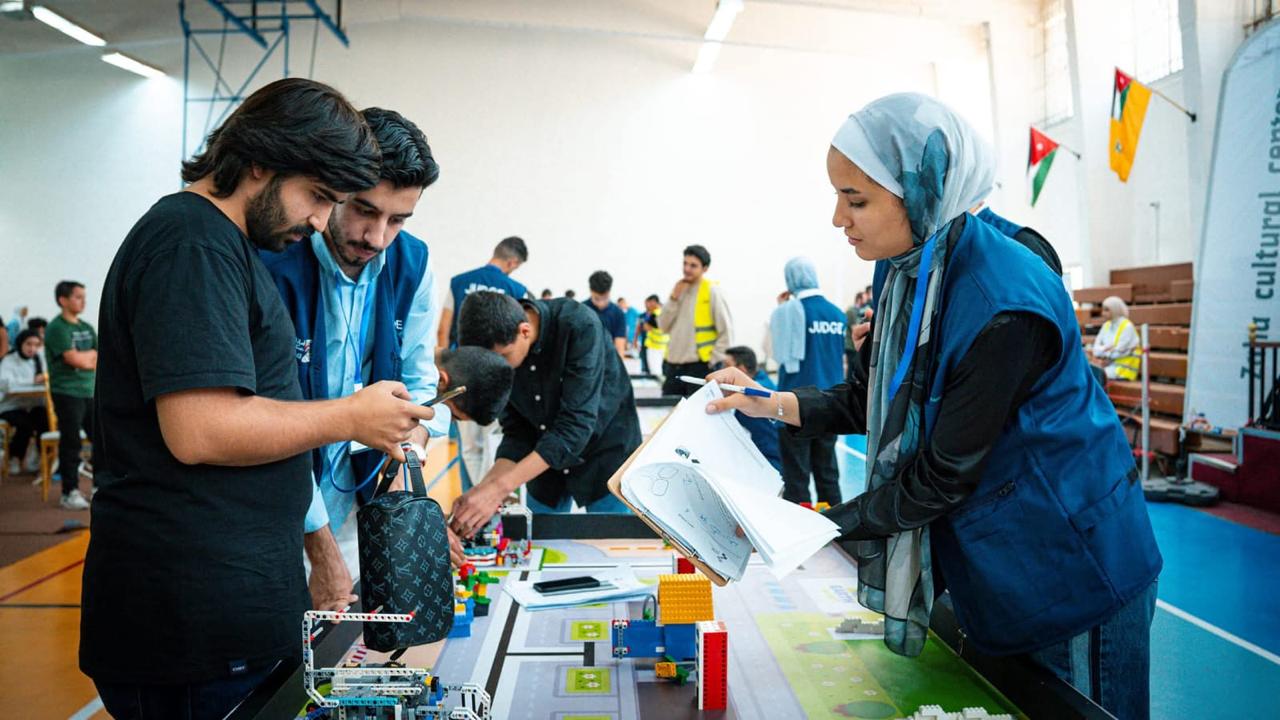
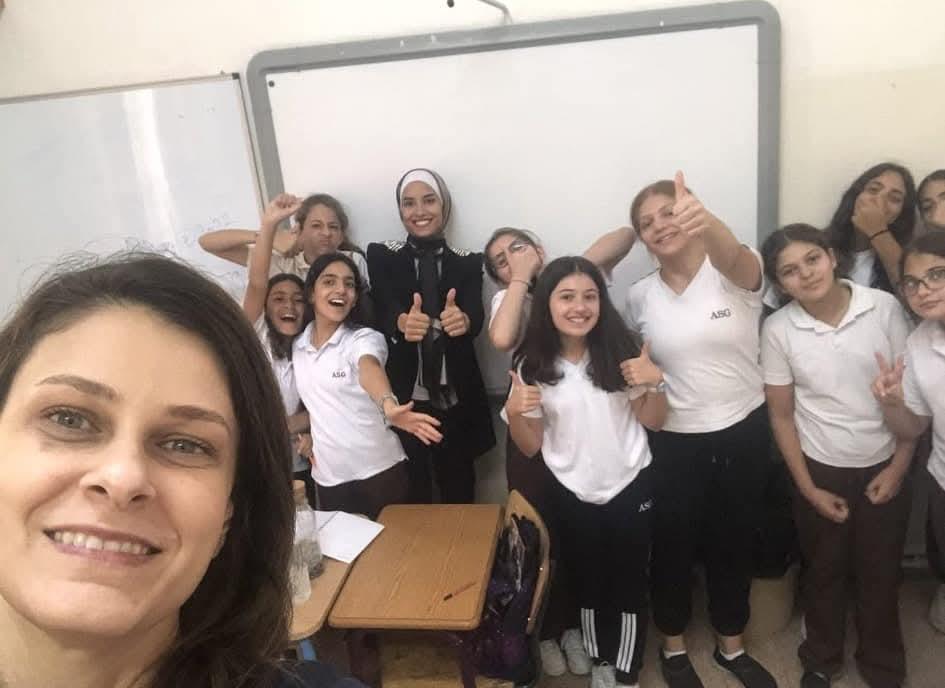
But advocacy must move beyond meeting rooms. Through mentoring students and coaching robotics and entrepreneurship teams, I’ve worked with girls from schools such as Al Ahliyya and Al Mutran to develop business ideas, build their business model canvas, and pitch solutions to real-world problems.

Watching girls in grades 7–9 step forward with confidence, presenting ideas, designing robotics systems, and claiming space in fields often dominated by men, shows what becomes possible when girls are given the tools to lead.

Competing in robotics in Grade 9, achieving both national and international wins. Today, I’ve come full circle as a certified robotics judge. Credit: Norhan Gharabl. Competing in robotics in Grade 9, achieving both national and international wins. Today, I’ve come full circle as a certified robotics judge.
Credit: Norhan Gharabl.

Competing in robotics in Grade 9, achieving both national and international wins. Today, I’ve come full circle as a certified robotics judge.
Credit: Norhan Gharabl

After founding and registering my own company, I now mentor girls in Grades 7-9, guiding them to build their own businesses and confidently pitch their ideas. Credit: Norhan Gharabli. After founding and registering my own company, I now mentor girls in Grades 7-9, guiding them to build their own businesses and confidently pitch their ideas.
Credit: Norhan Gharabli.

After founding and registering my own company, I now mentor girls in Grades 7-9, guiding them to build their own businesses and confidently pitch their ideas.
Credit: Norhan Gharabli

Across the world, young leaders are already advancing the vision outlined in the Young People’s Call for Action, pushing for education systems that are inclusive, innovative, and truly equal.

Partnerships such as GPE help ensure that youth voices and gender equality remain at the center of efforts to strengthen education systems worldwide.

But we cannot do this alone.

Governments, education ministries and global partners must invest in environments where girls are encouraged to lead, from STEM classrooms and entrepreneurship labs, to policy discussions and innovation ecosystems.

Gender equality in education is not only about access. It is about power, voice, and opportunity.

And if we truly want education systems that are equal and future-ready, young people, especially young women, must not only be included in the conversation. They must be trusted to lead it.

That belief in girls’ leadership is echoed across the globe. In Kenya, Shamim found that change sometimes begins with a single honest conversation.

Shamim Chuwe | Kenya

Across the world, millions of girls face barriers that affect their ability to fully participate in education.

While policies and programs are essential, meaningful change often begins in everyday moments, when young people step forward to challenge stigma, spark conversations, and support their peers.

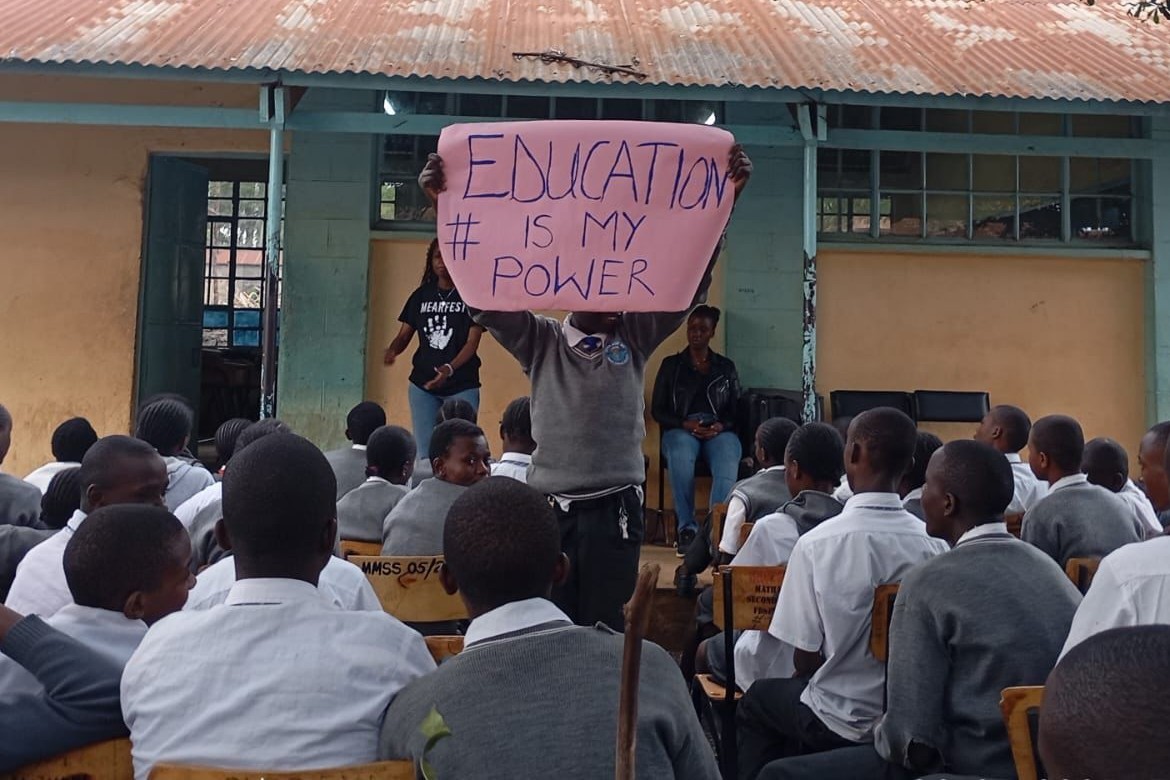
During a mentorship session I was leading at a local school, we discussed menstrual health awareness. Many people assume that conversations about menstruation should only involve girls.

However, I made a deliberate decision to engage the boys as well. In many communities, menstruation is still surrounded by stigma and misunderstanding. Because of this, girls sometimes face teasing, embarrassment or isolation during their cycle.

These experiences can make school feel like an uncomfortable or unsafe space, and in some cases, they lead girls to miss classes or lose confidence in themselves.

By including boys in the conversation, we created an opportunity to challenge these misconceptions. I explained that menstruation is a natural and normal part of life, and that girls should never feel ashamed because of it.

During a mentorship session I was leading. Credit: Shamim Chuwe. During a mentorship session I was leading.
Credit: Shamim Chuwe.

During a mentorship session I was leading.
Credit: Shamim Chuwe

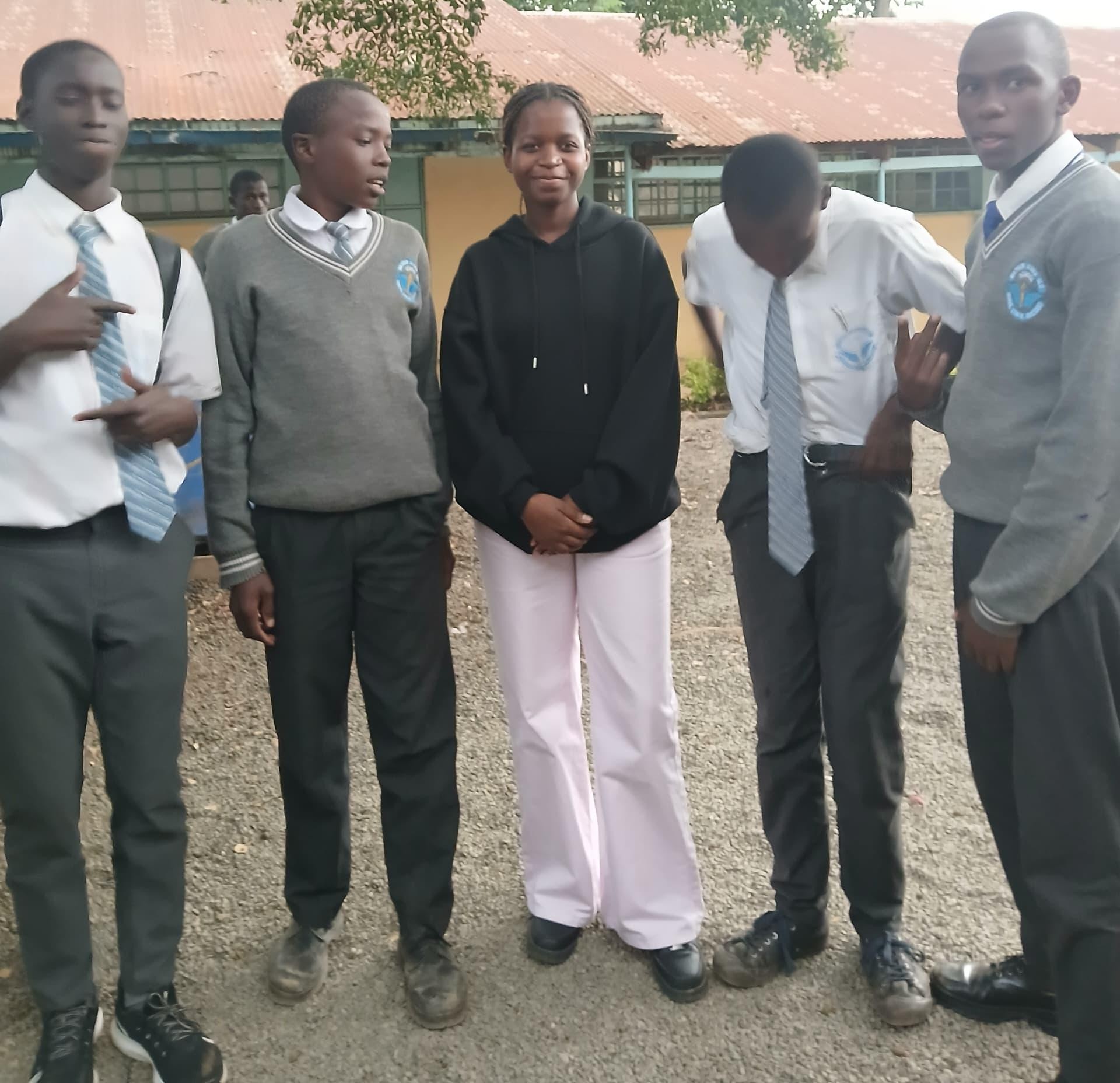
Some of the boys who participated in a mentorship session I led. Credit: Shamim Chuwe. Some of the boys who participated in a mentorship session I led.
Credit: Shamim Chuwe.

Some of the boys who participated in a mentorship session I led.
Credit: Shamim Chuwe

At first, some of the boys were quiet and hesitant. It was clear that this was a topic they had rarely been invited to discuss openly. But as the conversation continued, their curiosity took over.

One student admitted that he had always thought periods were something strange or embarrassing because no one had ever explained them before. Another said he never realized that the jokes some boys make could hurt girls or make them feel uncomfortable at school.

By the end of the session, the atmosphere had changed. The boys were asking thoughtful questions and reflecting on how they could be more supportive classmates.

Moments like this reminded me that awareness can transform attitudes, and that sometimes all it takes is an honest conversation to begin shifting a culture.

As a GPE youth leader, I believe young people have a powerful role to play in shaping these conversations. We understand the realities our peers face because we experience them ourselves. This allows us to connect with students in ways that feel relatable and meaningful, creating spaces where discussions can happen and lead to change.

From shifting attitudes in Kenyan classrooms, we turn to Nigeria, where Inioluwa’s journey began in her own backyard.

Inioluwa Ogunkeye | Nigeria

Growing up in a rural community in southwestern Nigeria, I did not just learn about educational inequality — I witnessed it every day.

I saw girls my age trade classrooms for early marriages, their curiosity slowly dimmed by systems that never stopped to ask what they needed to thrive. Their futures were not limited by ability, but by access.

That reality stayed with me, and it became my motivation.

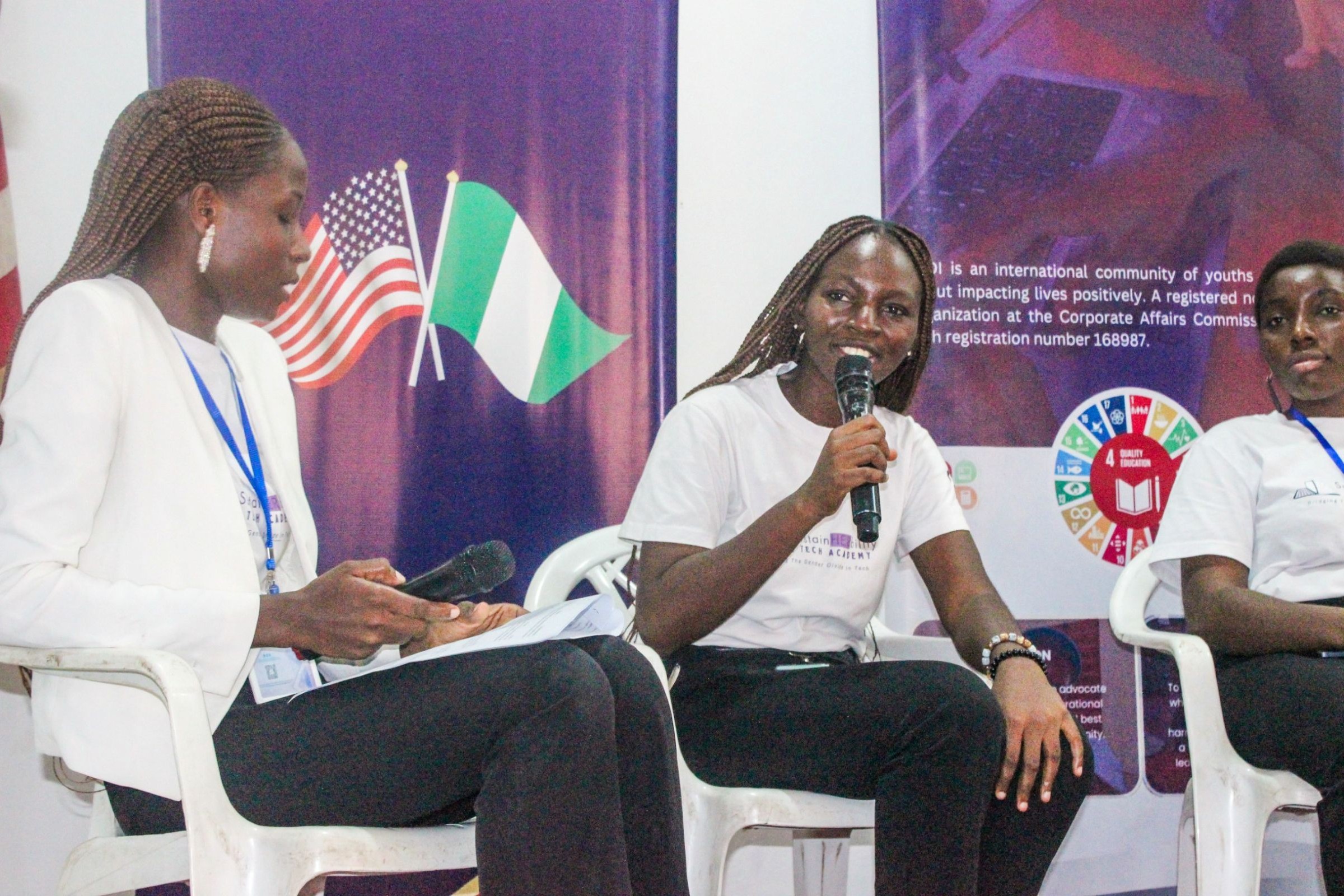
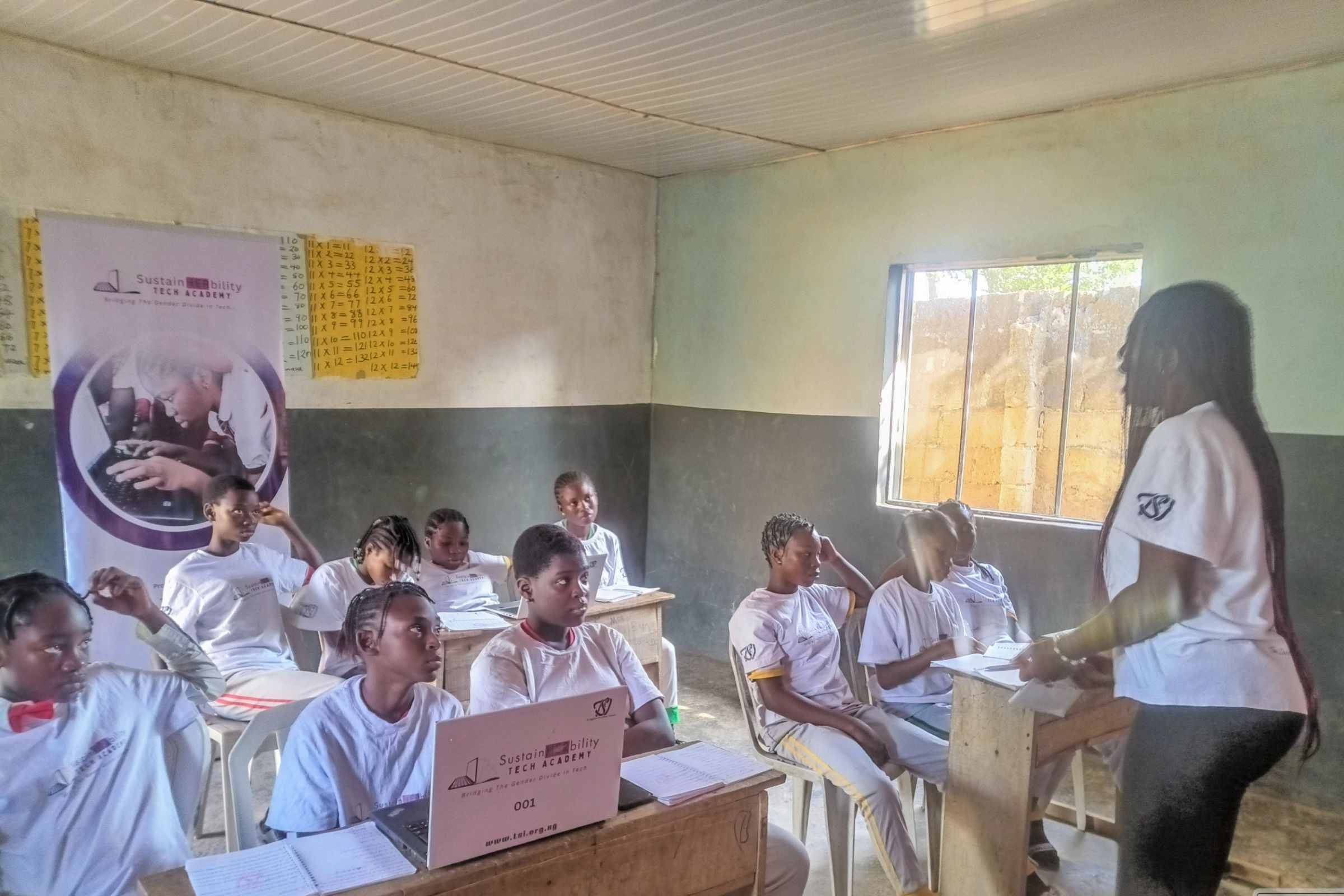
In 2025, I facilitated the SustainHerbility Tech Academy, an initiative recognized as one of the Top 50 Young Education Innovations in Nigeria by UNESCO IESALC.

Through the program, 40 marginalized girls were trained in app development.

At the Tech Exhibition following the SustainHerbility Tech Program, where I participated as a panelist in a discussion while the girls showcased the apps they had built. Credit: Inioluwa. At the Tech Exhibition following the SustainHerbility Tech Program, where I participated as a panelist in a discussion while the girls showcased the apps they had built.
Credit: Inioluwa.

At the Tech Exhibition following the SustainHerbility Tech Program, where I participated as a panelist in a discussion while the girls showcased the apps they had built.
Credit: Inioluwa

During a SustainHerbility Tech Academy class, where I was facilitating a lesson using digital tools to support the girls’ learning and app development. Credit: Inioluwa. During a SustainHerbility Tech Academy class, where I was facilitating a lesson using digital tools to support the girls’ learning and app development.
Credit: Inioluwa.

During a SustainHerbility Tech Academy class, where I was facilitating a lesson using digital tools to support the girls’ learning and app development.
Credit: Inioluwa

Beyond learning technical skills, they began building real solutions to problems around them. This resulted in a partnership with organizations such as Tech To The Rescue for its AI4Changemakers program.

That is what happens when girls are given the space not just to participate, but to create.

As a GPE youth leader, I have taken these realities into global spaces.

I was also among 50 youth leaders selected to participate in UNICEF’s Youth Foresight Workshops on the Future of Education in Africa, where we helped shape briefing notes on digital access, gender equity, and early learning for the 2025 UNICEF Leading Minds Conference.

One message emerged clearly: meaningful change requires shared responsibility. Policymakers must design solutions with girls and young women, not simply for them.

Teachers must be supported to continuously build their skills so they can effectively integrate emerging education technologies and girls and young women themselves must move from being passive beneficiaries to active co-creators of the systems meant to serve them.

As a GPE youth leader, I believe this is the true spirit of the Young People’s Call to Action. Education should not only tell girls, and young people more broadly, what the world is — it must equip us with the tools, confidence, and opportunities to change it.

A call to action

From Jordan to Kenya and Nigeria, youth leaders show us that young people are not waiting to be handed a more equal world. They are already building it - in classrooms, communities, and global forums.

Youth leaders are already mentoring girls in STEM, reshaping conversations around dignity and inclusion, and designing solutions that respond to the reality they see every day. They are working with governments, educators and global partners to turn their energy and vision into action and impact.

This leadership must now be matched with investment and partnership. Governments, donors and education leaders must invest in girls’ leadership by investing in their education and ensuring they have the resources, support and opportunities to thrive.

The Multiply Possibility Young People’s Call to Action, endorsed by over 24,000 young people worldwide, sets out a clear path forward.

It calls on leaders to back education systems that advance gender equality, remove barriers to participation, and support young women as leaders in classrooms, communities and beyond.

Responding to this call means turning commitment into action — and ensuring that every girl has the chance not just to learn, but to lead.

Related blogs

Comments

This is great

Leave a comment

Your email address will not be published. All fields are required.

The content of this field is kept private and will not be shown publicly.

Comments

  • No HTML tags allowed.
  • Lines and paragraphs break automatically.
  • Web page addresses and email addresses turn into links automatically.