How Pacific practices are shaping climate education for future generations

Through the Climate-Smart Education Systems Initiative, GPE and UNESCO are supporting Pacific Island countries in strengthening climate education while building on the values and practices that have guided communities for generations.

by GPE Secretariat
|
4 minutes read
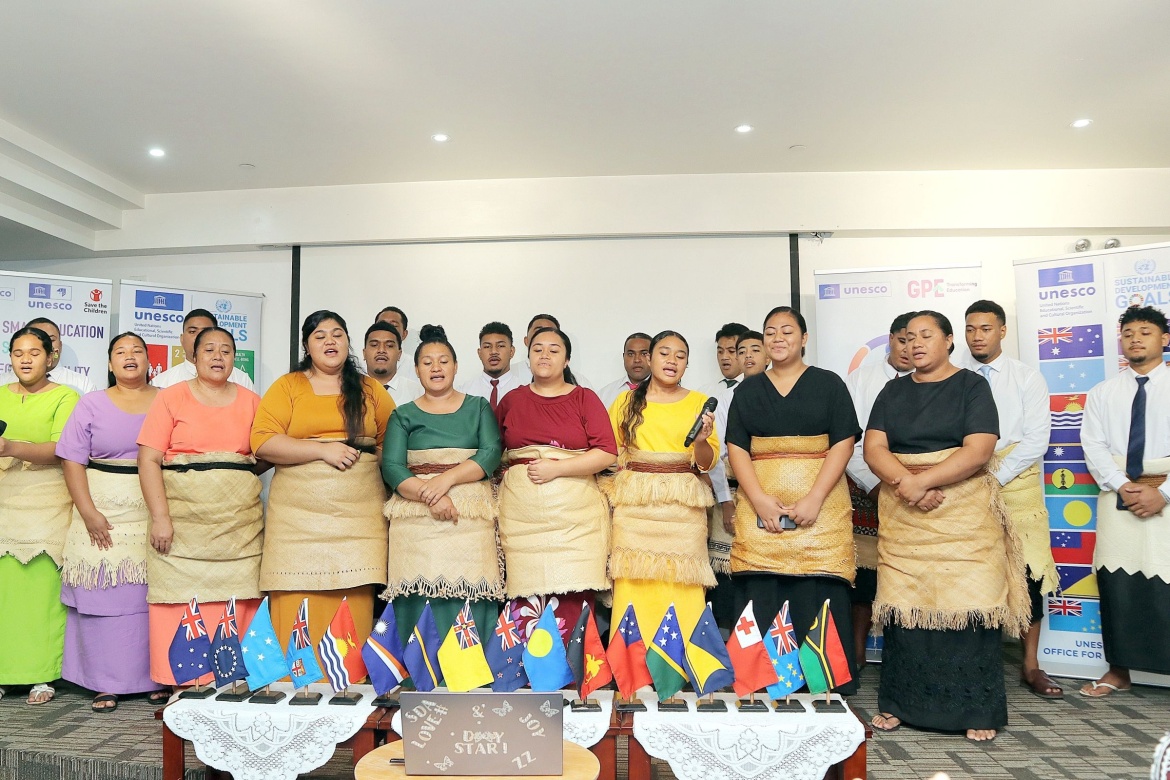
Participants perform during a regional education event bringing together Pacific countries to strengthen collaboration and advance quality, inclusive education for all. Credit: Webmedia South Pacific Fiji Pte Limited

Participants perform during a regional education event bringing together Pacific countries to strengthen collaboration and advance quality, inclusive education for all.

Credit: Webmedia South Pacific Fiji Pte Limited

This blog was originally published on UNESCO website.

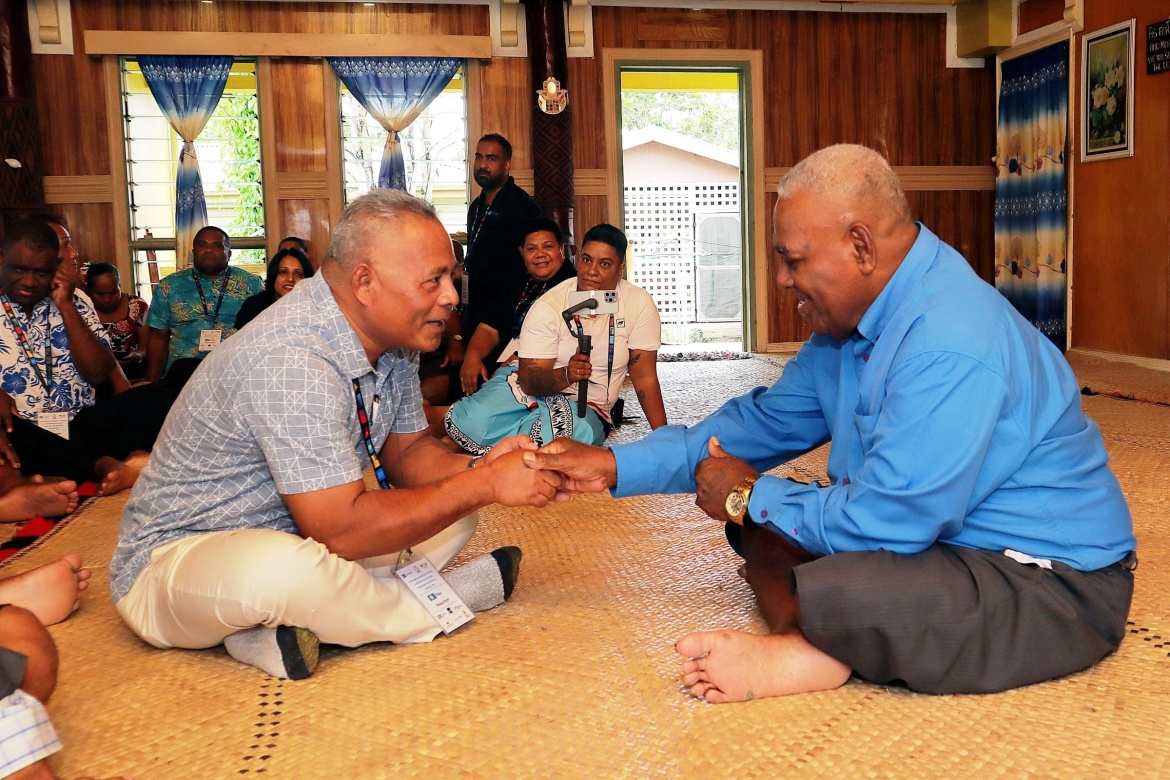
In Indigenous Fijian culture, curui refers to the practice of repairing a woven mat or a canoe sail. But curui is more than repair. It is a way of strengthening something for the future while preserving its original purpose and value.

For Pacific educators, curui offers a powerful way to think about education, highlighting how learning systems can build on existing knowledge, cultural practices and community values to help learners navigate a changing climate.

“These values are important because they make us who we are. Without these values woven into pedagogy, assessment and the content of what is taught in school, we will not be able to achieve the skills that we want our students to have.”

Dr. Rosiana Lagi, Professor at the University of the South Pacific

Building on this, educators, curriculum specialists and policymakers from across the Pacific Islands are working together to explore how climate education and life skills can help learners respond to the challenges facing their communities.

Preparing learners for a changing climate

Across the Pacific, climate change is creating new challenges for education systems. According to UNICEF, 3.8 million school-aged children in the region are at risk of missing out on education because of climate change.

As countries seek to prepare young people for these realities, educators are exploring how climate education can help learners develop the knowledge, skills and values needed to thrive in a changing world.

Through the Climate-Smart Education Systems Initiative, funded by the Global Partnership for Education (GPE), UNESCO supports countries in integrating climate change and education for sustainable development into curricula, pedagogy and teacher training.

By engaging in curriculum mapping, peer exchange and action planning, countries are identifying practical ways to strengthen climate education within their own contexts.

How Pacific practices are shaping climate education for future generations

Participants share findings from a collaborative discussion on climate change and education during a regional workshop.

Credit:
Webmedia South Pacific Fiji Pte Limited

Rooted in Pacific values and practices

In the Pacific, this work is closely linked to the Pacific Employability, Transferable and All-Life Skills (PETALS) framework, which promotes the development of skills and competencies grounded in Pacific values. These include respect, reciprocity, humility, integrity, unity, spirituality, resourcefulness and empathy.

“By grounding education in these values and ensuring that children carry them with them, we help them survive and thrive in whatever context they choose to live and work in later in life.”

Dr. Rosiana Lagi, Professor at the University of the South Pacific

The initiative also draws on Pacific approaches to learning and collaboration.

Through concepts such as curui and veitalanoa, participants shared experiences, reflected on common challenges and explored ways to strengthen climate education within their own contexts.

How Pacific practices are shaping climate education for future generations

Workshop participants engage in a team-building exercise designed to strengthen collaboration and peer learning during a regional education event.

Credit:
Webmedia South Pacific Fiji Pte Limited

From regional dialogue to local action

For many education stakeholders, the focus is now on turning these ideas into action. In Tonga, these discussions are contributing to efforts to explicitly integrate climate change into teacher education programs.

In Vanuatu, the accreditation review of the Vanuatu Institute of Technology is providing an opportunity to strengthen the integration of climate education and life skills into policies, curricula and learning programs.

“Aligning climate education with our curriculum can help us achieve the learning outcomes we want for our students and help them become resilient in their communities.”

John Kaltao, Director for Tertiary Education, Ministry of Education and Training, Vanuatu

As countries continue to strengthen climate education, curui remains a powerful reminder that meaningful transformation does not always require starting anew.

By building on existing knowledge, values and practices, Pacific educators are helping prepare future generations for a changing climate while remaining grounded in the identities and traditions that shape their communities.

About the Climate-Smart Education Systems Initiative

The Climate-Smart Education Systems Initiative is a global program funded by the Global Partnership for Education (GPE), and intended to strengthen the institutional capacity of Ministries of Education to integrate climate change adaptation and environmental sustainability into national education sector plans, budgets, and strategies, curriculum and teaching.

It also enhances the Ministry’s capacity for cross-sectoral coordination on climate and environment-related policy and programming.

This initiative is globally implemented by UNESCO, including through its International Institute for Educational Planning (IIEP), and Save the Children.

Since the project inception in 2024 in Cambodia, UNESCO has been supporting the development of evidence-based policies and plans, strengthening climate data for education planning, and integrating climate change into curricula, pedagogy, and teacher training.

Related blogs

Leave a comment

Your email address will not be published. All fields are required.

The content of this field is kept private and will not be shown publicly.

Comments

  • No HTML tags allowed.
  • Lines and paragraphs break automatically.
  • Web page addresses and email addresses turn into links automatically.