
Every morning on Nias Island, Indonesia, a small roadside garage is transformed into a preschool classroom. Before the children arrive for class, Murniati and a colleague arrange tiny tables, sweep the floor clean and set out colorful learning materials.
Before this, Murniati’s routine was almost without surprise: plan lessons, greet the children, write on the board, sing, then close the lesson with a prayer. Over time, she began noticing that many children lost interest. “We only taught the way we knew,” she recalled, “without understanding how children actually learn.”
Then came an invitation to join a training offered by the KREASI program, which introduced project-based learning for early childhood education.
Learning through curiosity and play
At first, Murniati was unsure whether the new methods would work in her preschool. But the training, which brought together facilitators from cities such as Jakarta and Makassar, introduced her to a different way of thinking about learning.
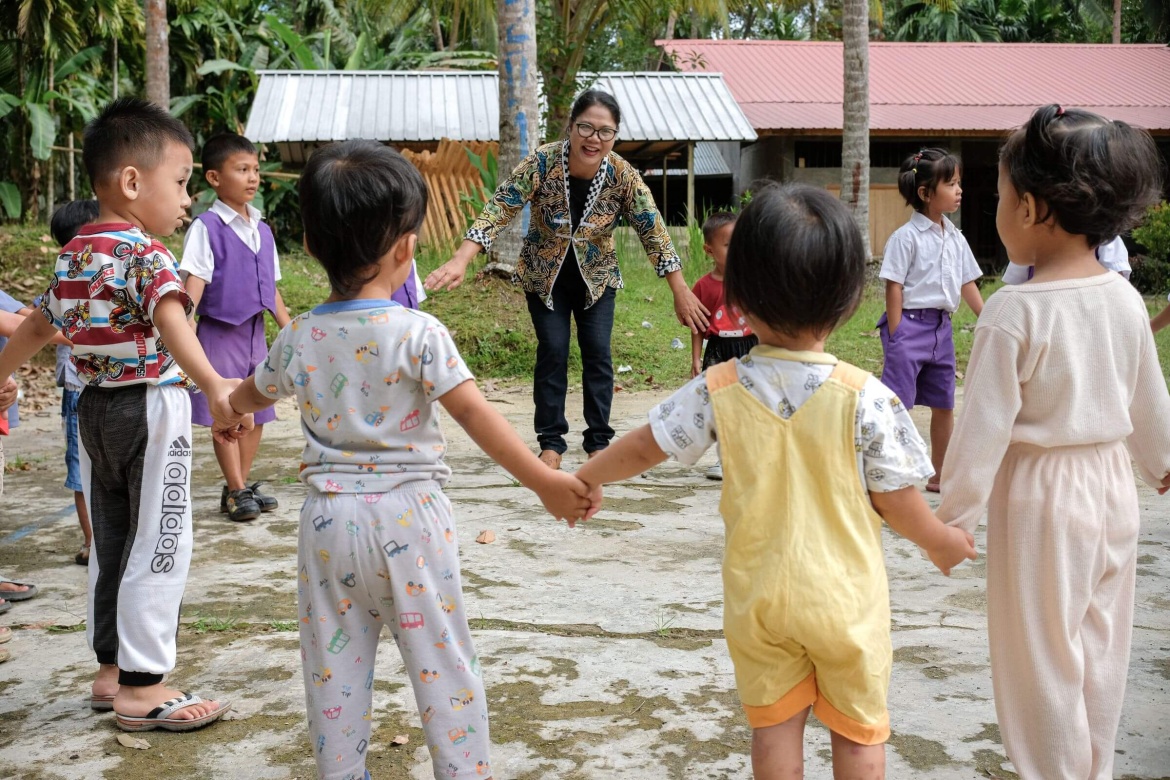
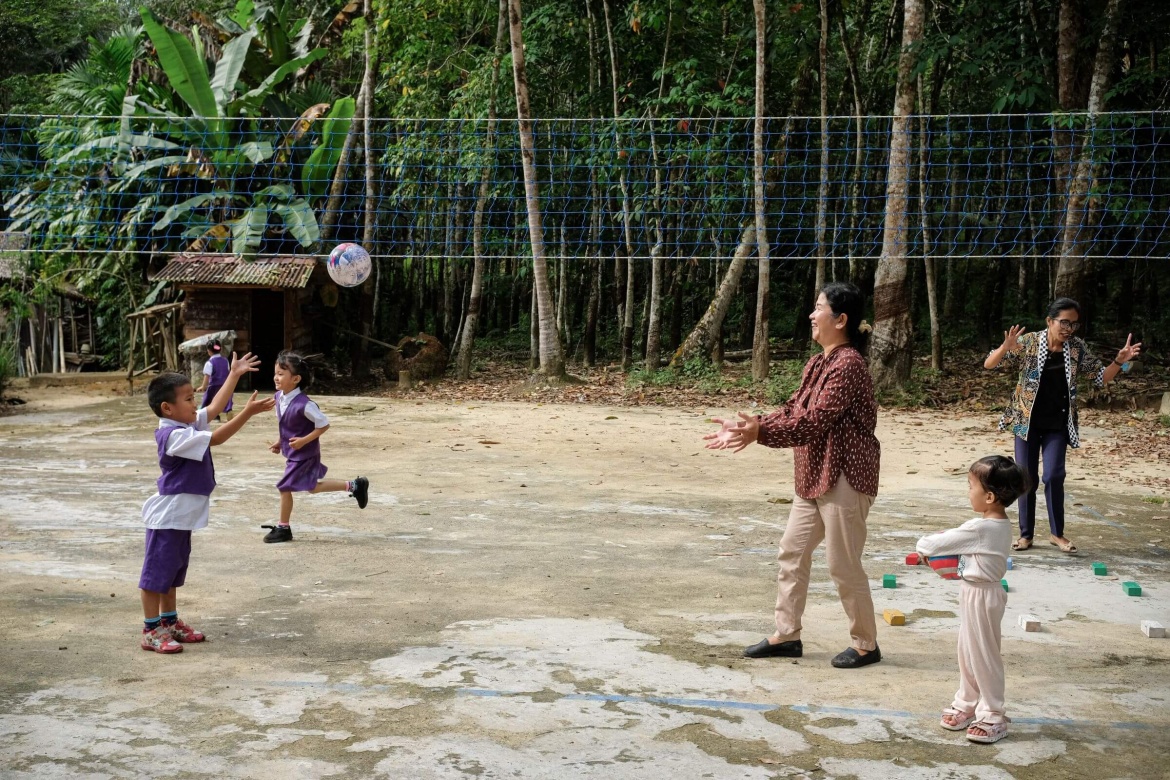
“We realized that when children play, they are not just having fun... they are learning to understand shapes, colors and relationships between objects,” she said. Teaching young children, she adds, is like “becoming a child again”, playing again, and being amazed by small things once taken for granted.
Leave a comment
Your email address will not be published. All fields are required.