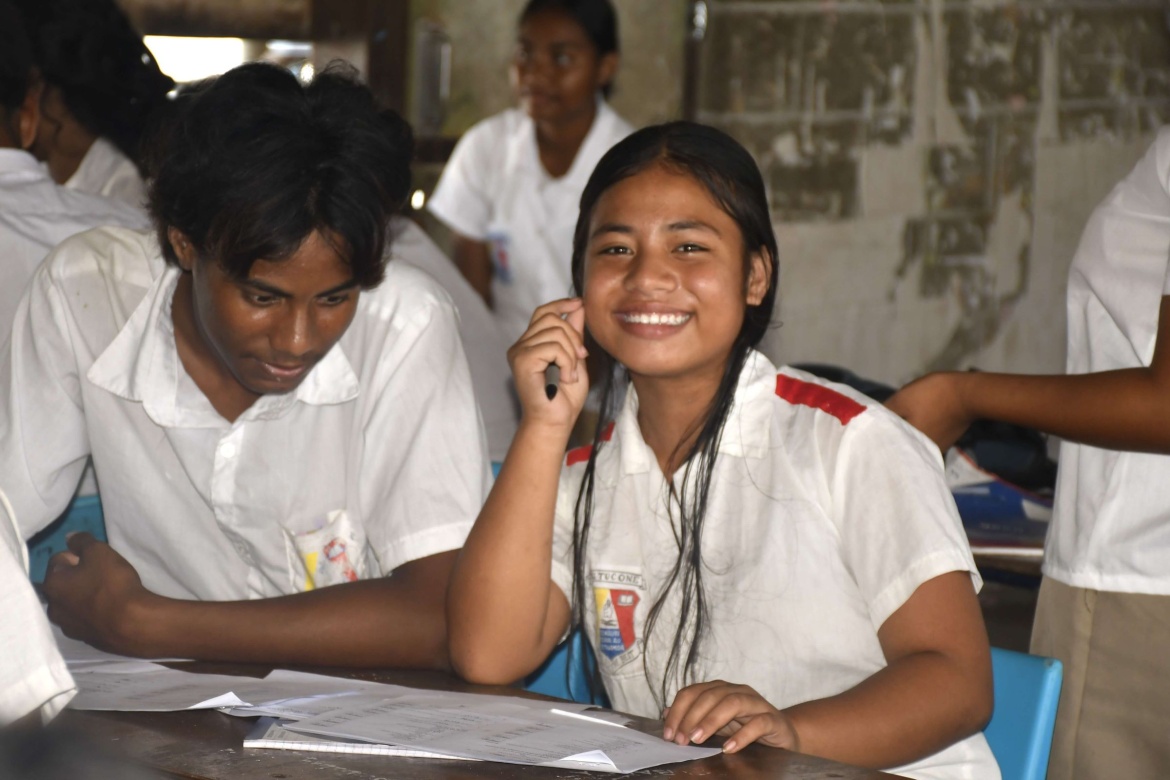
Teachers in Kiribati are preparing students for a digital future
by UNESCO Pacific
|
4 minutes read

For years, teachers in Kiribati taught technology without technology, relying on textbooks and imagination to explain the digital world. Now, students are getting the chance to use digital tools for the first time—gaining skills that could help turn their dreams into reality.

Inside a year 8 classroom at TUC 1 Junior Secondary School in South Tarawa, teacher Aroito Tetuai explains technologies his students have never had the opportunity to use.

Like many teachers across Kiribati, he has long relied on textbooks, diagrams and imagination to explain concepts such as satellites, computers and digital communication.

Across the island nation, limited infrastructure, unreliable electricity and weak internet connectivity have made access to digital learning a challenge for many schools.

Community studies, one of the few subjects at junior secondary level where technology is formally introduced, covers topics ranging from satellites and communication systems to digital tools and community development. Yet without devices, internet access or practical resources, lessons can only go so far and teachers like Aroito have had to find creative ways to bring technology lessons to life.

"We explain satellites without photos, videos or real tools," said fellow year 8 teacher Raen Bwauro. "But students develop their knowledge by seeing real things and using real tools."
Teachers in Kiribati are preparing students for a digital future

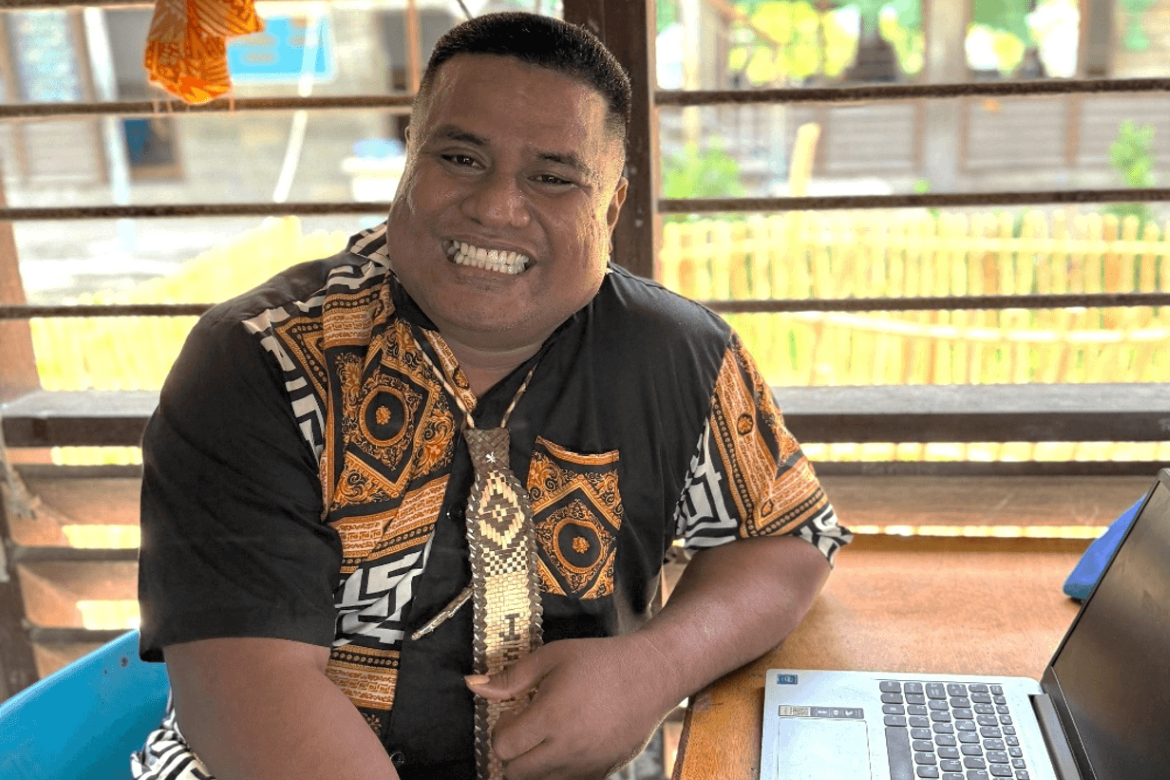
Aroito Tetuai, year 8 teacher at TUC 1 Junior Secondary School in South Tarawa.

Credit:
UNESCO

Dreaming of the future

Teina*, a 13-year-old student at TUC 1 Junior Secondary School, listened with fascination as Aroito explained how technology connects people and communities across great distances — concepts she understood in theory but had never experienced herself. Like many of her classmates, she had never used a computer at school.

When asked what she hoped to become one day, she answered without hesitation: "A nurse." Would knowing how to use a computer help her achieve that dream? She smiled and nodded. "Yes. Because in the hospital, they use computers for everything."

For Teina, the connection was clear. Digital skills were not simply about technology; they were part of the future she hoped to build.

Her classmates shared dreams of becoming pilots, doctors, police officers and teachers. They were eager, curious and ready to learn, yet their school had not yet given them the opportunity to develop the digital skills they knew they would need.

“Most of the students enjoy learning about technology,” Aroito said. “Maybe at home they see computers from their parents, or brothers and sisters. But they don't have practice in school.”

Teachers in Kiribati are preparing students for a digital future

A student attends a year 8 community studies class at TUC 1 Junior Secondary School in South Tarawa.

Credit:
Kiribati Ministry of Education

Turning ambition into opportunity

That is something TUC 1 is hoping to change. The school is one of ten schools across Kiribati selected as model schools under the Kiribati ICT Transformation of Education Systems (KITES) project— funded by a US$2.5 million GPE system transformation grant.

The Australian Department of Foreign Affairs and Trade (DFAT) serves as the coordinating agency, while UNESCO is implementing the project in partnership with the Ministry of Education.

"When I heard the school was selected, I felt hopeful," Aroito said. "I thought: maybe our students will finally get to use these tools themselves."

For students like Teina, KITES means access to ICT devices, reliable internet connectivity and solar-powered infrastructure. For teachers, it means dedicated support through the Kiribati Teachers College to build their digital skills and bring technology confidently into everyday lessons.

For the Ministry of Education, it means better data on schools, students and what is working, so that decisions about resources and support are grounded in evidence.

The project’s ambition extends beyond a single school.

The model school approach is designed to generate practical lessons that can be adapted and scaled across Kiribati, including in some of the country's most remote communities, where access to even basic learning resources cannot be taken for granted.

What works at TUC 1 is intended to help shape the future of the wider education system.

Teachers in Kiribati are preparing students for a digital future

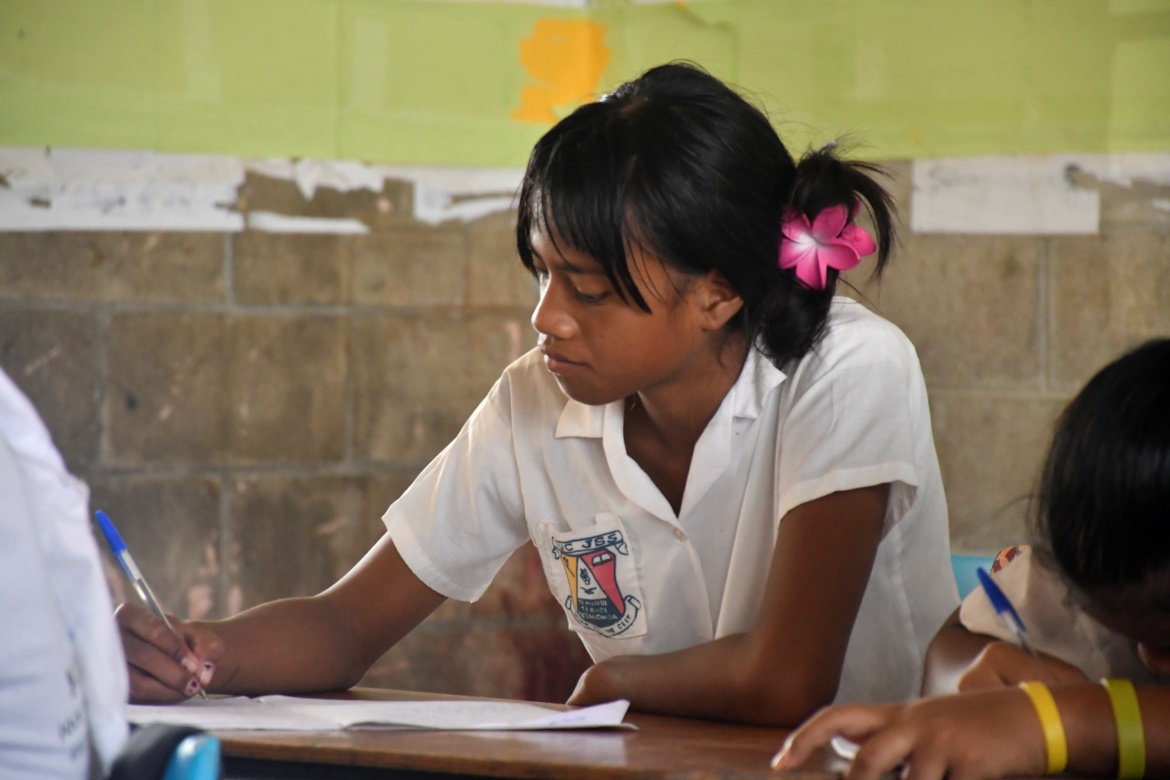
A student at TUC 1 Junior Secondary School in South Tarawa.

Credit:
Kiribati Ministry of Education

For teachers like Aroito, the significance goes beyond equipment and connectivity. It is about giving students the chance to learn through experience and helping them believe that the futures they imagine are within reach.

"I know that helping the students in this situation is very hard," he reflected. "But you need a good heart that can bring our children to a better future."

For Teina, sitting quietly in a classroom in South Tarawa, pen in hand and dreaming of becoming a nurse, things may soon change. Instead of only learning about technology, she may soon have the chance to use it for the first time.

*Name has been changed.

Related blogs

Leave a comment

Your email address will not be published. All fields are required.

The content of this field is kept private and will not be shown publicly.

Comments

  • No HTML tags allowed.
  • Lines and paragraphs break automatically.
  • Web page addresses and email addresses turn into links automatically.