
Something important is happening in classrooms around the world. In a growing number of countries, governments are improving foundational literacy and numeracy outcomes for millions of children, at scale, through their own public systems.
This is good news: stronger foundational learning builds cognitive skills and, over time, the capabilities young people need for jobs. These are not small pilots or short-term projects. They are sustained, government-led reforms, and the evidence of their impact is growing.
As members of the Global Coalition for Foundational Learning, we have spent the past year deliberately refreshing the set of reform stories we share with governments and partners. The older examples remain powerful. But the map of credible evidence is expanding, and it deserves to be told.
A new generation of reform stories
A growing set of recent reforms is expanding the map of credible evidence well beyond the historical cases that have long dominated this conversation.
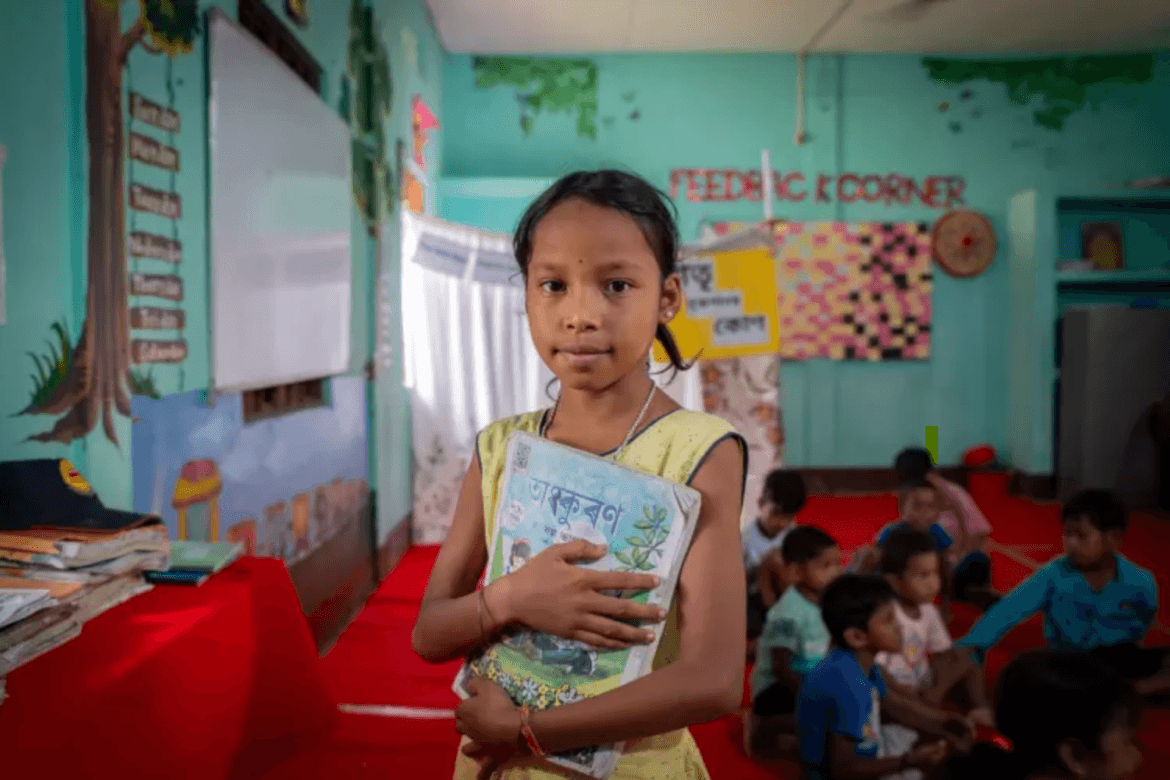
In Uttar Pradesh, India, the NIPUN Bharat mission covers over 110,000 schools and nearly 3.7 million early grade students with stronger classroom instruction, teaching-learning materials, assessments and community engagement. ASER 2024 reports that the state's Grade 3 proficiency in Hindi rose by nearly 16 percentage points between 2018 and 2024, with mathematics improving by over 20 points. Uttar Pradesh, historically one of India's lowest-performing states, now ranks in the top 10 nationally on both measures, corroborated by multiple independent data sources.
In the Western Cape, South Africa, a government-funded structured pedagogy program has driven the highest Grade 3 systemic results ever recorded in the province. The mathematics pass rate rose from 44% in 2021 to 62% in 2025; literacy from 37% to 51%, both exceeding pre-pandemic levels, measured through independently administered census assessments of over 91,000 learners. These gains reflect what a government system, investing consistently in its own teachers and classrooms, can achieve.
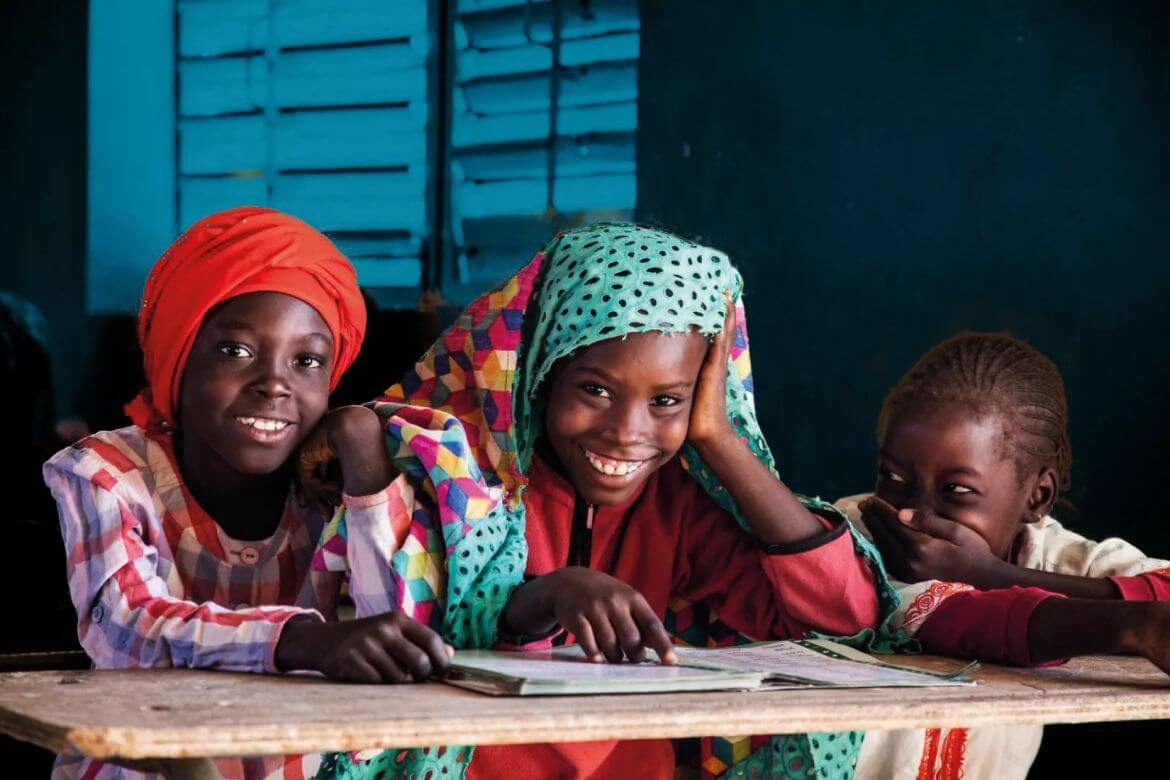
In Senegal, a different model is demonstrating impact at the program level. The Ndaw Wune program, meaning 'Success for All', targets struggling Grade 1 and 2 students with remedial instruction in national languages, delivered after school by trained public school teachers. A rigorous independent evaluation conducted by the American Institutes for Research in 2024–25 found significant positive impacts on decoding skills, oral reading fluency and reading comprehension.
In Morocco, the government's Pioneer Schools program combines explicit teaching and a Teaching at the Right Level approach to address learning gaps in Arabic, French, and mathematics. An independent academic analysis drawing on four separate evaluations of the program's experimental phase found an average effect size of 0.90 standard deviations after just one year, placing it among the most effective educational interventions documented in low- and middle-income countries. The program has since expanded significantly, with the government reporting continued gains. Challenges around teacher training capacity and funding at full national scale remain, but the early evidence is compelling.
Leave a comment
Your email address will not be published. All fields are required.