
Education is one of the few public investments that finances itself over time. A child who completes quality schooling earns more, pays more taxes, and contributes to the fiscal base that funds the next generation.
Yet in low-income countries, only $55 is spent per child each year — compared to nearly $9,000 in high-income countries. At that level of investment, education systems cannot generate the returns they are capable of. The conditions for self-sustaining investment have to be built — and that process requires the right financing at the right moment.
This is what sustainable financing for education is actually about. Not filling annual gaps but building the conditions under which countries can progressively finance their own systems — and where external support plays a catalytic role that is now even more essential.
The transition that has to be designed
The path toward greater financing self-reliance doesn't happen by reducing support and hoping systems hold. It happens by using financing — intentionally, strategically — to build the institutions, incentives, and fiscal foundations that make sustained domestic investment possible.
This means treating education as a whole-of-government priority from the outset.
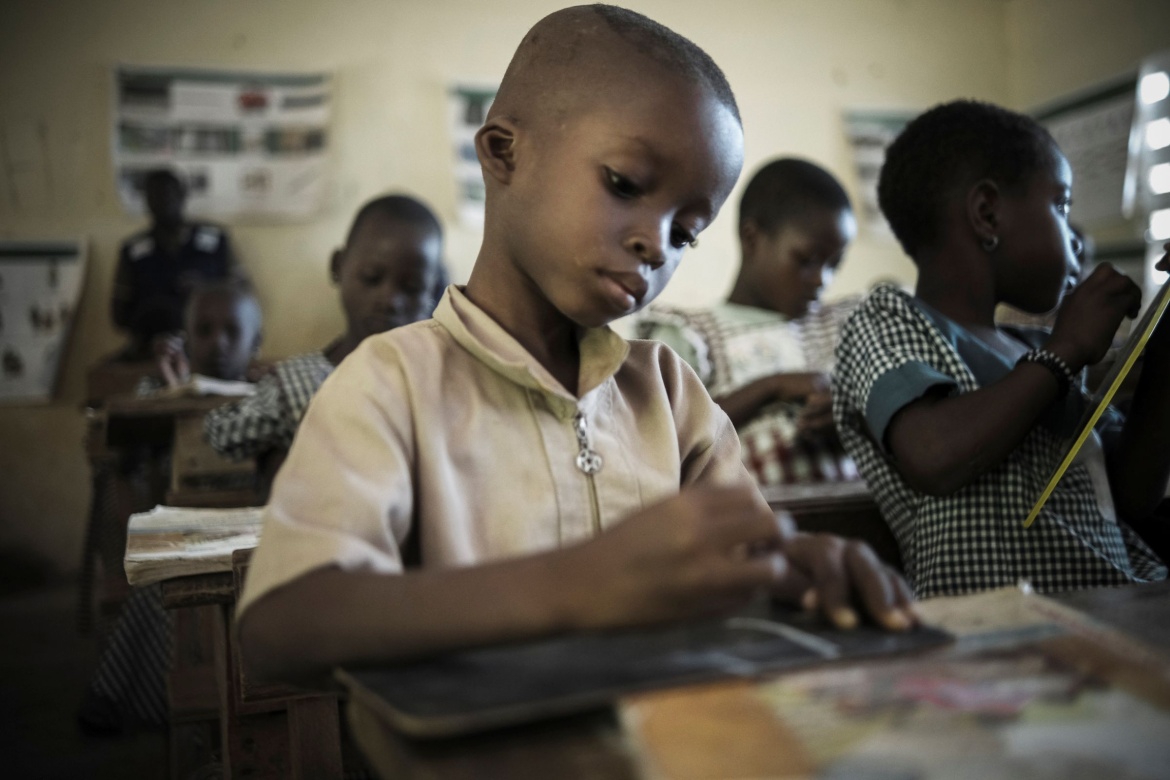
In Liberia, volatility in external financing recently exposed the limits of a system without a domestic fiscal strategy to fall back on. Supported by GPE and partners, this triggered closer collaboration between the Ministry of Education and the Ministry of Finance — shifting from competing priorities to building a shared investment strategy anchored in realistic fiscal trajectories.
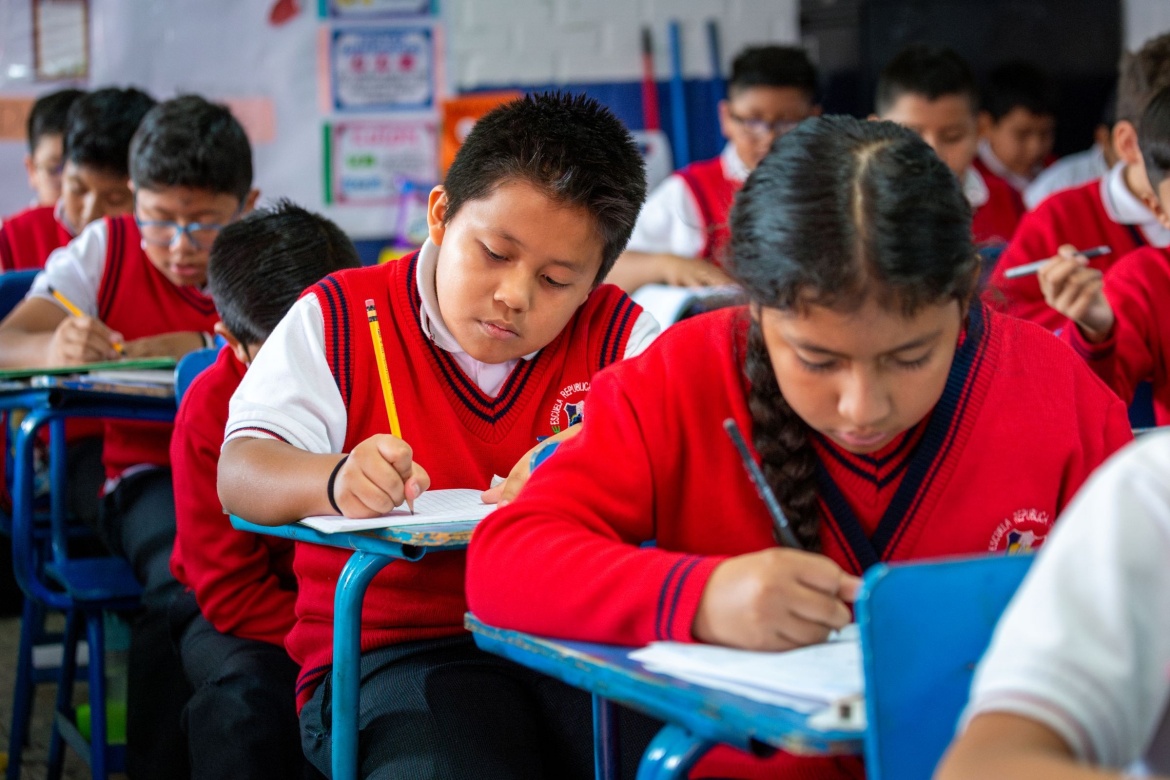
Guatemala illustrates a different starting point. Education already receives a significant budget share, but outcomes remain constrained within a limited fiscal envelope. With IMF and GPE support, ministries of education and finance are now working together to increase efficiency of spending so financing translates into relevant skills for the job market, increased productivity and eventually strengthens the fiscal case for sustained domestic investment.
Civil society also plays an important part. Through Education Out Loud, GPE supports organizations to engage in tax justice, budget transparency, and legislative processes — strengthening accountability across the budget cycle and helping ensure education remains a sustained fiscal priority.

Leave a comment
Your email address will not be published. All fields are required.